
Introduction
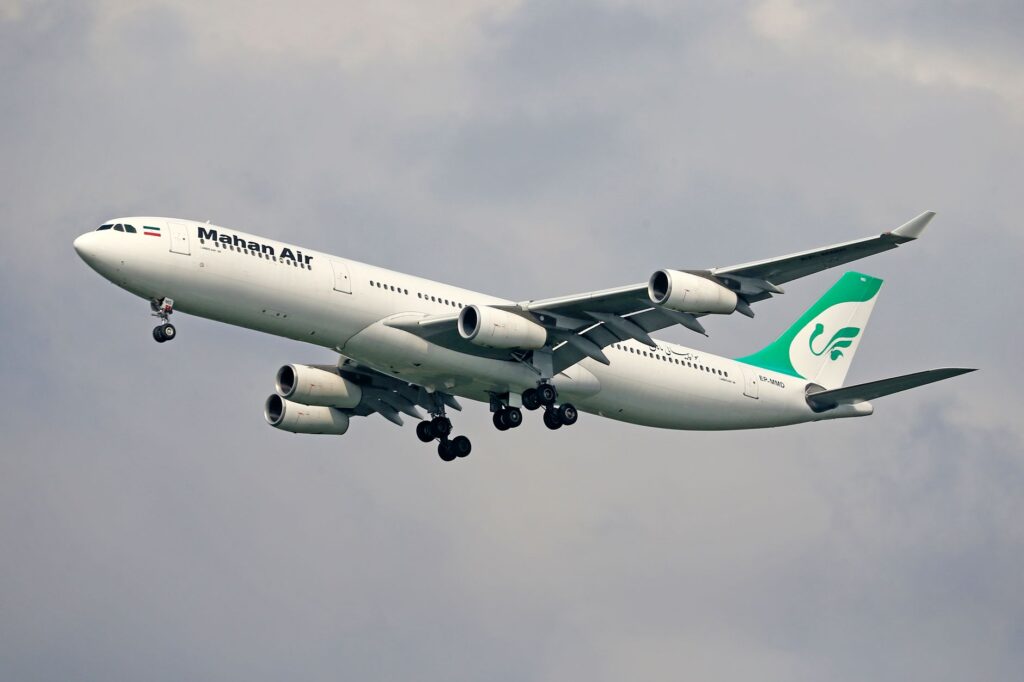
Global aviation networks are complex, and regulatory enforcement often faces significant challenges when geopolitical interests collide with commercial operations. Amidst stringent international restrictions, certain entities manage to maintain their presence in the skies. A prominent example is Mahan Air, an Iranian commercial carrier that has consistently navigated severe economic penalties and international pressure to keep its fleet operational.
Background and Accusations
Established decades ago, the airline has long been a subject of intense scrutiny from Western governments. Authorities in the United States and various allied nations have repeatedly accused the carrier of engaging in covert activities that extend far beyond standard commercial passenger transport. Specifically, intelligence reports and government statements have linked the company to the movement of military personnel and weaponry in support of regional objectives favored by the Iranian regime.
Defying U.S. Restrictions
Despite comprehensive measures enacted by Washington to cripple its operations and ground its aging fleet, the airline has demonstrated remarkable resilience. The United States has targeted the carrier with extensive trade embargoes and secondary sanctions aimed at cutting off its access to vital aerospace parts, maintenance services, and international refueling stations. Nevertheless, the company has found alternative pathways to source necessary components and sustain its flight schedules.
Fleet Maintenance and Operations
Operating an aging fleet under strict economic isolation presents formidable logistical hurdles. Modern commercial aircraft require a steady supply of certified replacement parts and specialized engineering support to ensure passenger safety and regulatory compliance. By relying on secondary markets and alternative supply chains, the airline has managed to circumvent these barriers, keeping its older jets in active rotation across various domestic and international routes.
Expansion Strategies
Rather than contracting under the weight of sustained international pressure, the carrier has pursued a trajectory of growth. Network expansion has remained a priority, with management securing landing rights and establishing new flight paths to friendly jurisdictions that do not enforce the same level of compliance with Western directives. This strategic outreach allows the company to maintain steady revenue streams and project a facade of normalcy and commercial success.
Geopolitical Implications
The ability of this specific carrier to thrive in a hostile regulatory environment underscores the limitations of unilateral economic measures in modern geopolitics. When powerful nations attempt to isolate strategic entities, alternative economic networks often emerge to fill the void. This dynamic complicates diplomatic efforts and highlights the resilience of state-backed enterprises when confronted with foreign sanctions.
Conclusion
The ongoing operations of Mahan Air serve as a key case study in sanctions evasion and the complexities of international aviation enforcement. As long as alternative diplomatic and economic channels remain open, heavily restricted airlines will likely find ways to adapt, survive, and expand their reach across the global stage.