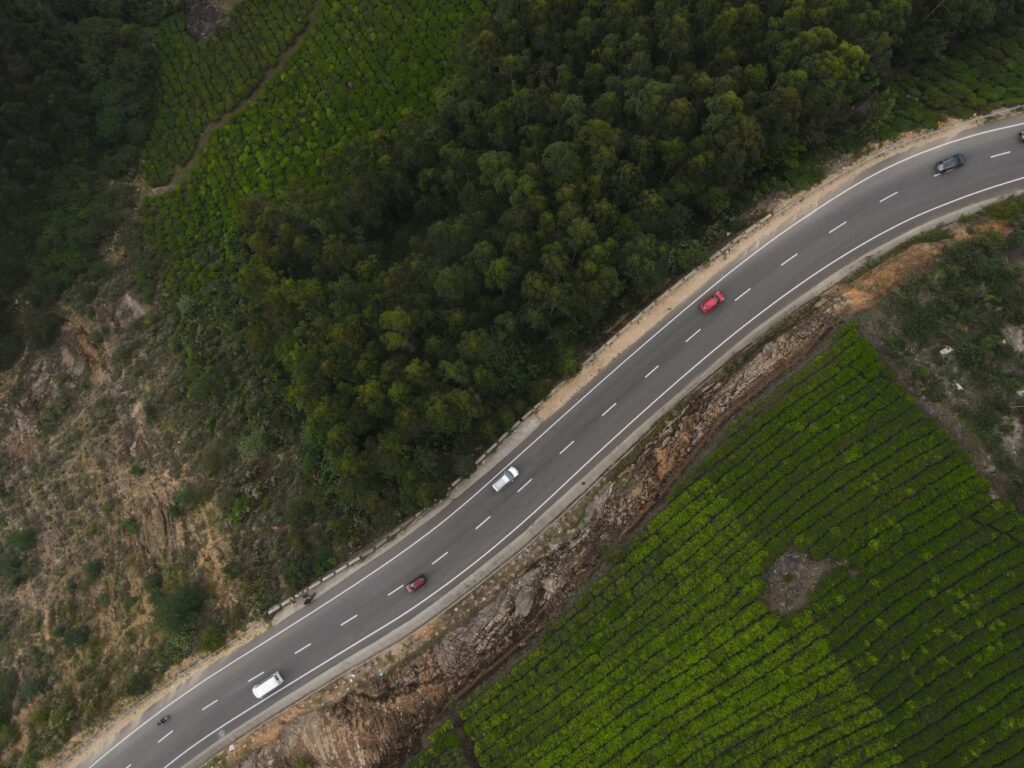

Enhancing Environmental Standards in Infrastructure
The National Highways Authority of India has introduced stringent environmental guidelines aimed at boosting greenery along major transit corridors across the country. These updated directives place a heavy emphasis on ecological accountability, ensuring that infrastructural expansion goes hand in hand with environmental preservation. Under the newly formulated framework, construction partners and agencies are now held to much higher standards regarding roadside vegetation and landscape management.
Understanding the New Plantation Mandates
At the core of the updated framework is a specific coverage requirement designed to maximize green space along newly developed pathways. Contractors are now formally mandated to carry out plantation activities on a minimum of 80 percent of the total available right of way that has been officially designated for greenery. This shift moves away from voluntary or loosely monitored greening efforts, replacing them with a strict, measurable obligation that must be fulfilled during the project lifecycle.
Ensuring Long-Term Sapling Survival
Planting trees is only the first step in creating sustainable green corridors. To address historical concerns regarding the high mortality rate of newly planted vegetation, the updated guidelines introduce a mandatory performance threshold. Agencies are now required to guarantee a sapling survival rate of at least 90 percent over the designated maintenance period. This requirement ensures that contractors do not merely plant saplings to check a compliance box, but actively invest in their long-term watering, protection, and overall maintenance.
Accountability and Oversight for Contractors
The implementation of these rigorous targets signals a major shift in how public infrastructure projects integrate environmental metrics into their operational evaluations. By tying project completion and clearance to the successful growth of roadside flora, the governing body aims to eliminate negligence. Contractors must now factor dedicated horticultural teams and consistent irrigation strategies into their operational budgets from the very beginning of the planning phase.
Broader Ecological Impact on National Highways
The push for higher plantation density and strict survival rates is expected to yield significant ecological benefits over the coming years. Expanding the green canopy along arterial roadways helps mitigate vehicular emissions, reduces dust pollution, and provides much-needed shade along long-distance routes. Furthermore, these green belts contribute to local biodiversity conservation, creating natural habitats for various bird and insect species that are frequently displaced by heavy construction.
Conclusion
Integrating mandatory environmental safeguards into highway development marks a progressive step toward sustainable nation-building. By legally binding contractors to an 80 percent plantation target and a 90 percent survival rate, authorities are setting a high benchmark for eco-friendly infrastructure. These measures ensure that future transportation networks will serve not only as economic lifelines, but also as thriving ecological corridors for generations to come.