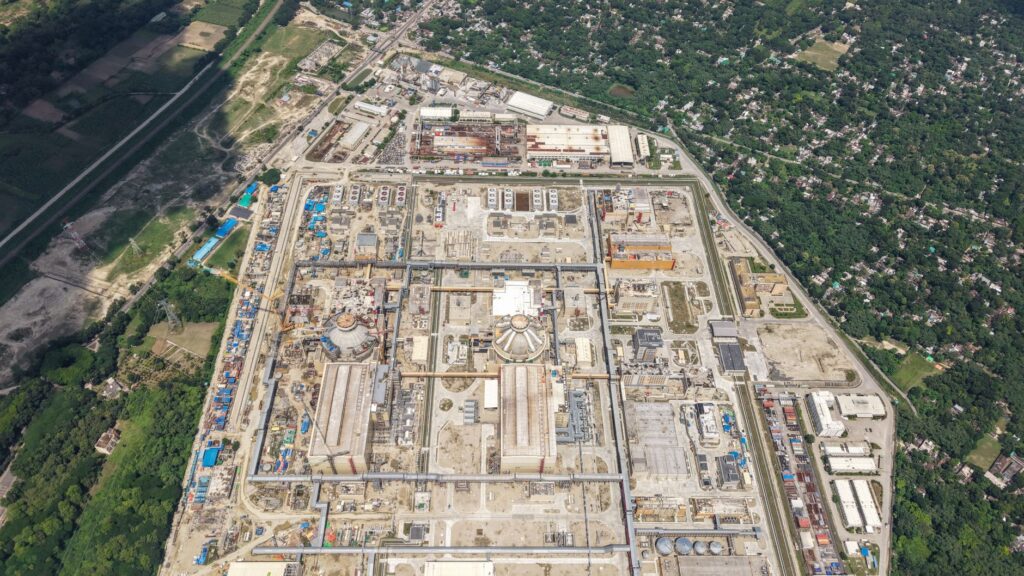

Recent satellite imagery has revealed a dramatic increase in construction activity at a sensitive Iranian nuclear facility located near Pickaxe mountain. This surge in development comes at a time of renewed geopolitical friction and diplomatic strain between Tehran and Washington.
Escalating Tensions And Nuclear Development
The expansion observed at the site highlights ongoing efforts by Iran to advance its nuclear infrastructure despite persistent international concern. Analysts reviewing the satellite data noted significant earthmoving operations and structural additions surrounding the subterranean facilities.
The timing of this visible progress coincides with a period of heightened animosity and stalled diplomatic efforts. Observers point out that strategic positioning deep within mountainous terrain is designed to shield sensitive operations from potential aerial intervention.
Accusations Against International Oversight
Amid these developments, Iranian officials have voiced sharp criticisms regarding the role of international oversight bodies. Tehran recently accused both the United States and Israel of exploiting the legal framework and authority of inspectors from the International Atomic Energy Agency.
According to Iranian statements, the presence and activities of these inspectors are allegedly being leveraged to mask hostile intelligence gathering or preparatory military actions directed against national infrastructure. These allegations add another layer of complexity to an already tense diplomatic environment.
Strategic Implications For Regional Security
The underground nature of the construction at Pickaxe mountain underscores the persistent challenge of monitoring Iran’s nuclear trajectory. Security experts emphasize that hardened subterranean structures are considerably more difficult to assess or deter through conventional diplomatic means.
As dialogue between western governments and Iranian authorities remains frozen, developments on the ground continue to draw intense scrutiny. The intersection of accelerated construction and fiery rhetoric suggests that the underlying conflict over nuclear capabilities is entering a critical new phase.
Future Outlook And International Response
Global powers are closely monitoring the situation as intelligence reports confirm the rapid pace of work at the facility. The international community faces difficult decisions regarding how to address the expansion while preventing further escalation in an already volatile region.
Diplomatic channels remain strained, and the reliance on satellite intelligence is more crucial than ever for tracking shifts in the security landscape. How governments respond to these latest visible markers of nuclear progression will likely shape geopolitical stability for the foreseeable future.