
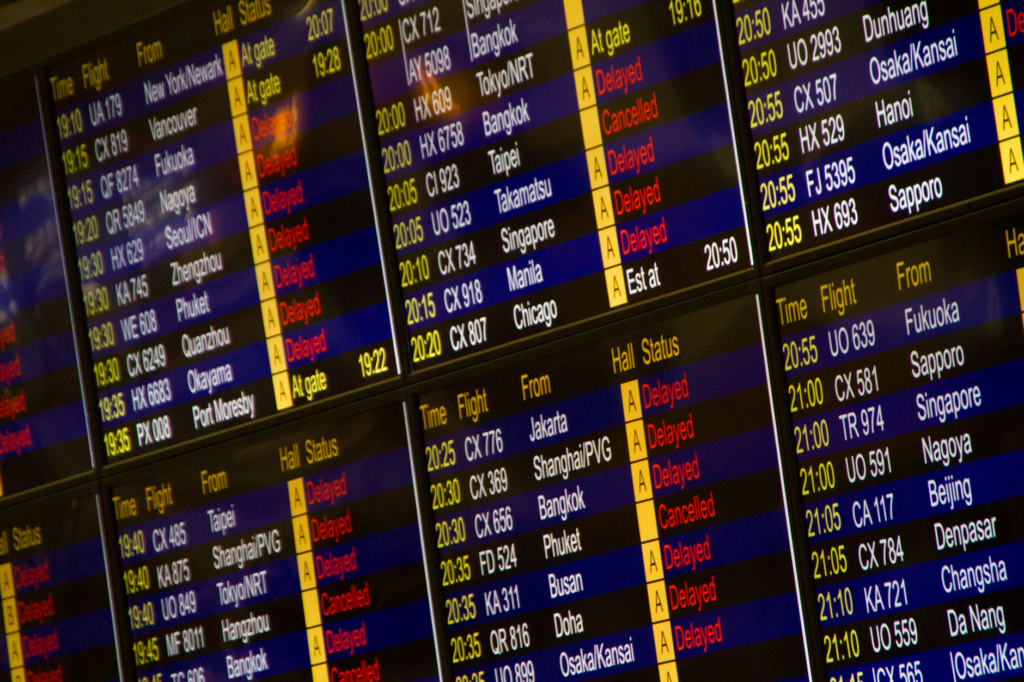

A severe technical malfunction within the United Kingdom aviation network has triggered widespread chaos, resulting in the cancellation of more than 2,000 flights. The disruption has severely impacted global travel schedules, forcing thousands of passengers to scramble for alternative arrangements as airlines struggle to normalize operations across multiple major airports.
Understanding the Scope of the Aviation Disruption
The initial system failure occurred without warning, instantly paralyzing flight planning and air traffic management systems. Aviation authorities were forced to implement emergency restrictions to maintain safety, leading to immediate ground stops and massive delays.
As the situation unfolded, the ripple effects spread rapidly across international borders. Major hubs in the United Kingdom experienced gridlock, while connecting flights worldwide were thrown into disarray. Passengers found themselves facing unexpected overnights at terminals as carriers attempted to assess the full scale of the technological breakdown.
Impact on International Routes and Services
The consequences of the technical failure extended far beyond domestic European routes. Long-haul services were heavily impacted, including significant disruptions to flights originating from key global regions.
Specifically, a notable portion of scheduled services departing from India toward various destinations in the United Kingdom had to be called off. Out of a planned group of twenty-four UK-bound flights, seven were grounded entirely. This left hundreds of travelers stranded at Indian departure gates, uncertain of when they might finally reach their intended destinations.
Ongoing Recovery Efforts into the Second Day
Disruptions and rolling delays unfortunately extended into a second consecutive day. Airlines and airport operators worked around the clock to restore normal schedules, but the logistical hurdles proved immense.
One of the primary challenges facing carriers on the second day involved passenger rebooking and aircraft repositioning. Because the sudden groundings left planes scattered across incorrect airports globally, airlines had to execute complex recovery plans to move aircraft back to their designated operational bases.
Passenger Rights and Assistance
In the wake of the mass cancellations, stranded travelers sought clarity regarding compensation and rebooking rights. Major airlines deployed additional customer service staff, both physically at the terminals and through digital channels, to assist affected individuals.
Industry regulations typically require carriers to provide food, communication facilities, and hotel accommodations during extended delays caused by system failures. However, the sheer volume of affected passengers meant that waiting times for assistance stretched for hours.
Looking Ahead at Aviation Resilience
This incident has highlighted the critical vulnerability of modern aviation infrastructure to sudden technological failures. Industry experts and regulatory bodies are expected to launch comprehensive reviews into the resilience of air traffic control systems.
As the aviation sector continues to rely increasingly on automated networks and digital management tools, stakeholders emphasize the urgent need for robust backup systems. Ensuring that future glitches can be contained swiftly will be vital to preventing similar widespread disruptions and protecting global travelers from repeating this frustrating experience.