
Introduction
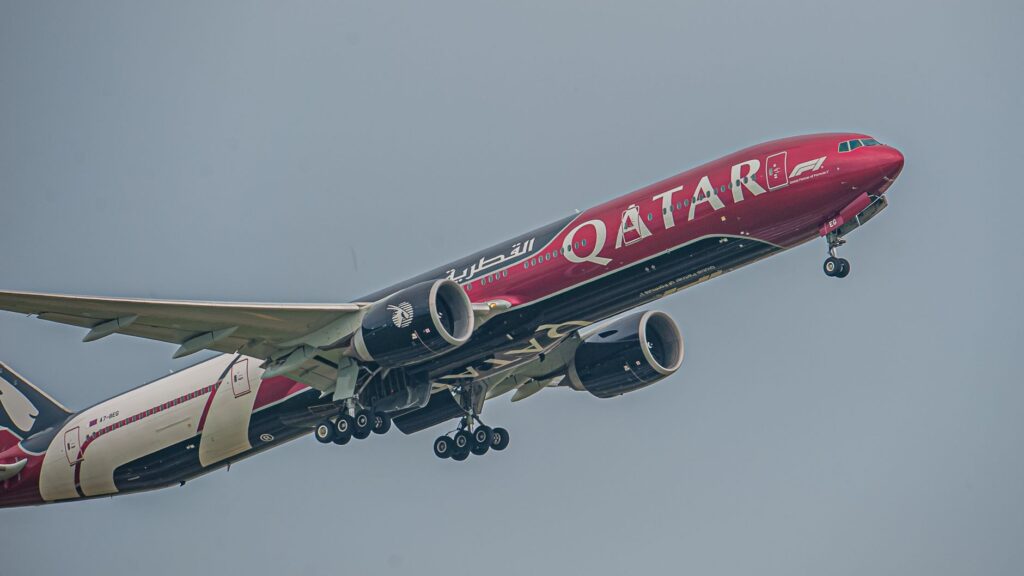
A high-profile aviation incident recently captured public attention when a specialized aircraft gifted by Qatar experienced an unexpected delay on United States soil. The situation arose after an evacuation slide deployed unexpectedly, prompting immediate questions regarding the overall readiness and security of the transport vehicle.
Understanding the Aircraft and the Incident
The aircraft in question, intended for high-ranking diplomatic and executive transport, has been a subject of significant discussion. During routine preparations on the ground, the emergency evacuation slide inadvertently activated. This mechanical event caused an immediate pause in the schedule, as technical teams and security personnel worked to assess the situation and ensure all onboard systems functioned correctly.
Official Responses and Safety Assurance
Following the unexpected deployment, inquiries quickly mounted regarding whether the aircraft remained reliable for future journeys. Addressing these public concerns directly, leadership confirmed that the deployment was thoroughly evaluated. Representatives for the administration clarified that the activation was utilized as an opportunity to verify that all safety mechanisms operated exactly as intended, emphasizing that rigorous checks are standard protocol for such specialized transport.
Technical Protocols and Rigorous Testing
When dealing with custom aviation assets, the maintenance protocols are extraordinarily strict. Aviation experts routinely test emergency features, including slides, life rafts, and automated egress systems, to guarantee optimal performance during critical moments. While an accidental or unprompted deployment can cause logistical delays, it also serves as a practical demonstration of the equipment’s responsiveness. Ground crews meticulously inspected the deployment zone, re-packed the necessary safety hardware, and conducted comprehensive diagnostic reviews to clear the plane for subsequent travel.
Implications for Diplomatic Travel
The incorporation of gifted or internationally sourced assets into official fleets always invites heightened scrutiny from observers and political analysts alike. Every mechanical hiccup, no matter how minor, is amplified in the media cycle. However, the swift response from communications staff helped contextualize the event, framing the maintenance pause as a proactive measure rather than an operational failure.
Conclusion
Ultimately, the aircraft remains a focal point of modern executive transport discussions. With officials verifying the integrity of the onboard systems following the unexpected slide deployment, the focus has shifted back to standard operational readiness. Rigorous testing and transparent communication continue to play a vital role in maintaining public confidence in executive aviation logistics.