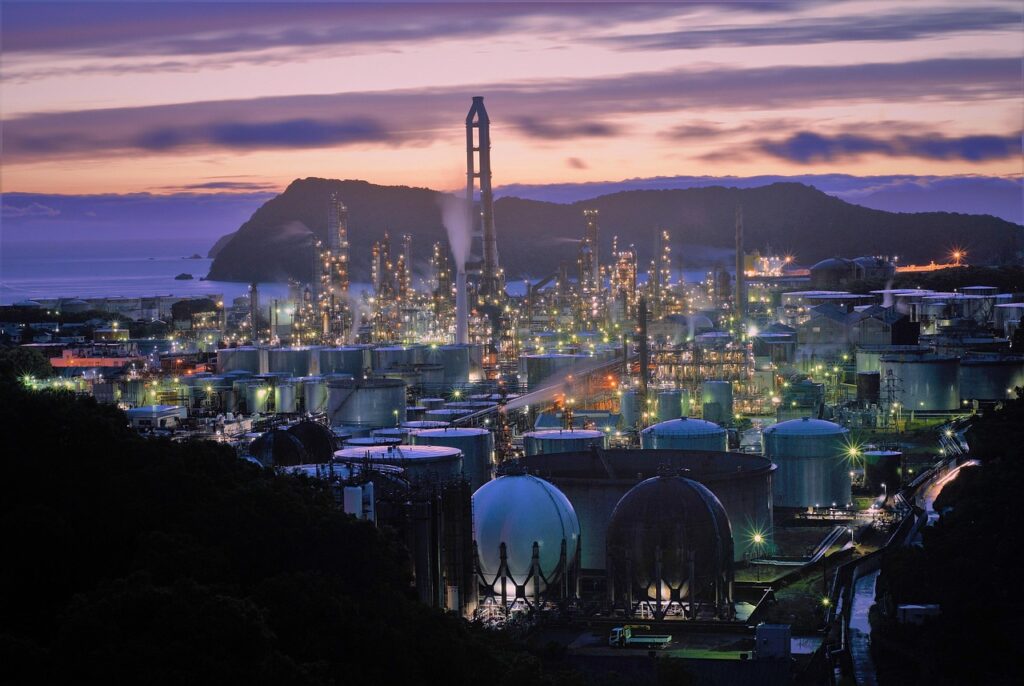

Photographer Sunhil Sippy is capturing the silent transformation of Mumbai’s coastline in his latest solo exhibition, EASTWARD: Explorations Along Mumbai’s Eastern Seaboard, currently on display at Galerie Mirchandani + Steinruecke. The collection, which debuted this month, serves as a visual archive of the city’s historically industrial eastern edge, a landscape currently undergoing rapid gentrification and redevelopment.
The Context of a Changing Coastline
For decades, Mumbai’s eastern seaboard remained a restricted, grit-filled periphery defined by working docks, shipyards, and rusted industrial infrastructure. Unlike the glamorous, tourist-heavy promenades of the western coast, the eastern side was primarily the domain of laborers and maritime commerce.
As the city faces acute land shortages, urban planners have pivoted toward these industrial tracts for massive real estate expansion. Sippy’s work acts as a documentary bridge, capturing the final vestiges of a rugged aesthetic before it is replaced by high-rise developments and modern infrastructure.
Documenting the In-Between
Sippy’s methodology involves extensive, methodical walks along the shoreline, a process that mirrors the slow decay of the structures he photographs. His lens focuses on the interplay between the encroaching natural elements—the encroaching Arabian Sea—and the man-made structures that once defined the city’s economic engine.
The exhibition highlights the visual tension between the permanence of the ocean and the ephemerality of industrial concrete. By isolating details like oxidized metal, abandoned machinery, and the quiet silhouettes of workers, Sippy elevates the mundane decay into a historical record of architectural transition.
Expert Perspectives on Urban Evolution
Urban historians note that documenting such shifts is critical for maintaining a city’s collective memory. According to architectural researchers, the loss of industrial waterfronts often results in the erasure of a city’s social history, as the working-class narratives tied to those spaces are displaced by luxury commerce.
Sippy’s photography does not merely document buildings; it tracks the human footprint within a landscape designed for utility rather than habitation. Data from recent municipal urban planning reports suggests that the Eastern Waterfront project will transform over 700 hectares of land, fundamentally altering the maritime identity of the city by the end of the decade.
Implications for Future Urbanism
For the residents of Mumbai, this exhibition provides a final look at a part of the city that has been largely inaccessible for generations. As the eastern seaboard opens up to the public under new development mandates, the raw, unpolished character documented by Sippy will likely vanish entirely.
Observers should watch for how the upcoming redevelopment projects balance historical preservation with the demand for modern floor space. As these industrial sites are replaced by glass and steel, Sippy’s work will serve as a primary reference for what once defined the backbone of Mumbai’s economy. The transition of this coastline represents a broader trend in global megacities, where the struggle between heritage conservation and urban expansion continues to shape the future of the urban fabric.