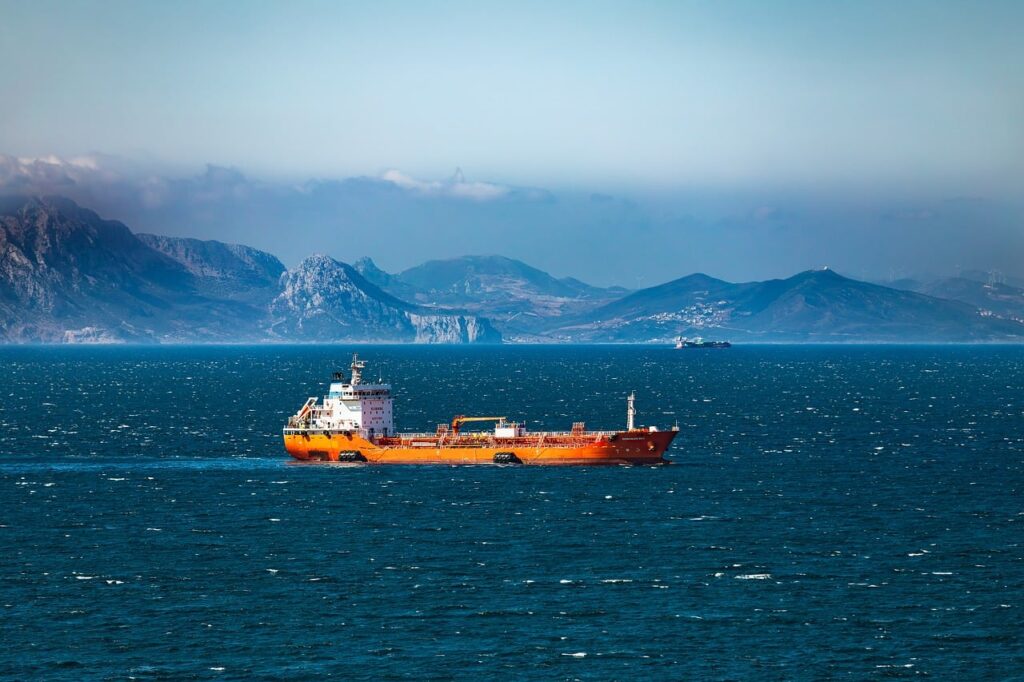

The United States military launched precision airstrikes against Islamic Revolutionary Guard Corps (IRGC) targets in the Middle East early Thursday, responding to a series of aggressive maneuvers against commercial shipping in the Strait of Hormuz over the previous 48 hours. The U.S. Central Command confirmed that the strikes were a direct reaction to attacks on three commercial vessels passing through the vital maritime chokepoint, which serves as a critical artery for global energy supplies.
Context of the Strait of Hormuz
The Strait of Hormuz is one of the world’s most significant maritime corridors, with approximately one-fifth of global oil consumption passing through its narrow waters daily. Tensions in the region have remained elevated for years, characterized by intermittent confrontations between Western naval forces and Iranian assets. These latest incidents mark a significant escalation in a long-standing pattern of maritime harassment that threatens international trade stability and regional security.
Details of the Escalation
The hostilities began Tuesday when IRGC-linked vessels engaged in aggressive intercept maneuvers, ultimately targeting three separate commercial ships. While the U.S. military has not released full casualty figures or damage assessments for the commercial vessels, officials indicated that the attacks involved drone strikes and armed harassment. The Pentagon moved quickly to authorize a retaliatory response, aiming to degrade the IRGC’s capacity to continue these maritime disruptions.
Expert Analysis and Security Implications
Defense analysts suggest that the strikes serve as a calculated signal of deterrence. Dr. Elena Vance, a senior fellow at the Center for Maritime Security, noted that the U.S. response is intended to preserve the freedom of navigation that underpins the global economy. “By targeting the infrastructure utilized by the IRGC for these operations, the U.S. is attempting to reset the rules of engagement in the Strait,” Vance stated.
Data from maritime insurance providers indicates that premiums for vessels transiting the Strait have already spiked following the attacks. Shipping companies are now recalibrating risk assessments, which could lead to increased costs for energy consumers worldwide if the volatility persists. The economic ripple effect of even a temporary closure of the Strait could be catastrophic for global markets.
Future Outlook and Regional Stability
The immediate concern for policymakers is the potential for a broader regional conflict. As the U.S. maintains a heightened alert status for its naval assets, observers are watching for potential retaliatory moves from Tehran. The international community is closely monitoring whether diplomatic channels can de-escalate the situation before the cycle of violence necessitates further military intervention. Future developments will likely hinge on whether the IRGC ceases its maritime targeting or if the U.S. decides to expand its list of military targets in the region.