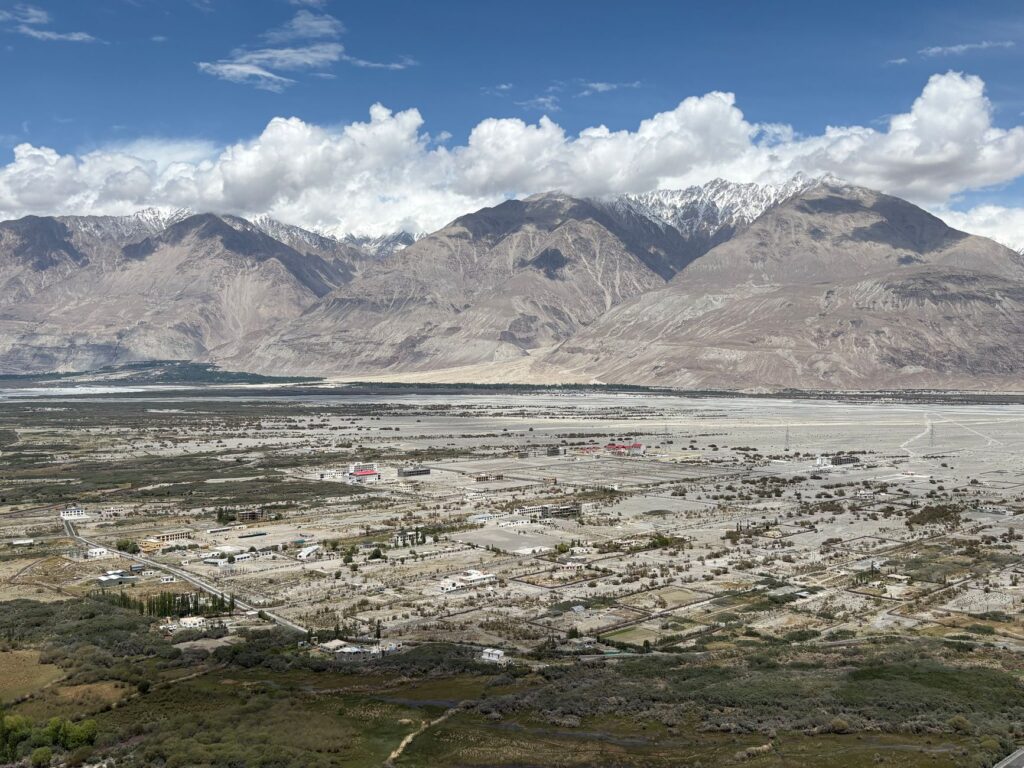

Ladakh Talks Breakdown And Regional Frustration
Recent high-level discussions between the Ministry of Home Affairs and regional delegates regarding the political future of Ladakh have ended without a breakthrough. Representatives from prominent regional coalitions expressed profound disappointment over the outcome of the dialogue, noting that essential demands concerning autonomy and governance remain unaddressed.
The discussions aimed to resolve long-standing grievances pertaining to constitutional protections, statehood status, and democratic representation for the mountainous union territory. However, the lack of substantial progress has heightened tensions among local populations who feel their aspirations continue to be sidelined by central authorities.
Critique Through Satire And Public Reaction
In the wake of the failed negotiations, prominent environmentalist and social reformer Sonam Wangchuk took to social media to voice his discontent. Utilizing a classic satirical video clip featuring the late legendary comedian Jaspal Bhatti, Wangchuk highlighted the recurring pattern of endless bureaucratic delays and deferred decisions surrounding the region’s demands.
The satirical reference struck a chord with the public, drawing widespread attention to the perceived habit of authorities scheduling subsequent meetings without offering any immediate solutions or actionable commitments. Observers noted that this creative form of dissent effectively underscored the growing fatigue among local leaders regarding endless procedural consultations that yield no tangible policy shifts.
Implications For The Future Of Ladakh Governance
The impasse leaves the political trajectory of the sensitive border region uncertain. Regional stakeholders have consistently maintained that full statehood and constitutional safeguards under the sixth schedule are non-negotiable for preserving the unique ecology and indigenous identity of the area.
As anticipation builds around whether a future dialogue date will be honored with substantive proposals, pressure mounts on the administration to bridge the gap between central policies and local expectations. The persistent deadlock threatens to amplify grassroots agitation unless meaningful concessions are brought to the negotiating table in upcoming sessions.