
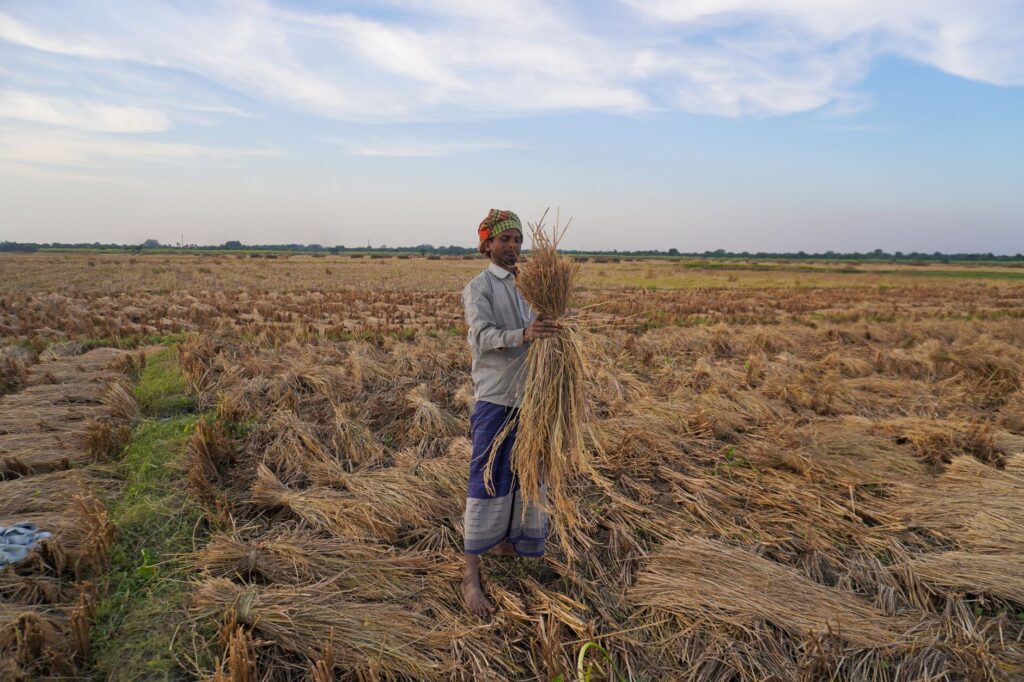

Recent agricultural statistics released within the BRICS framework highlight significant advancements in the farming sector of India. Over recent periods, the nation has successfully elevated its productivity levels for vital staple crops including rice, wheat, and maize. These improvements reflect ongoing efforts to modernize farming practices, enhance irrigation systems, and adopt better seed varieties across various agricultural regions.
Despite these notable domestic improvements, a stark global comparison reveals a substantial disparity in overall output. Official data demonstrates that China continues to generate more than double the total cereal production recorded by India. This persistent gap underscores the vast scale of agricultural operations in neighboring East Asia and highlights differing trajectories in food production capabilities among major emerging economies.
Understanding Production Disparities
The contrast in total cereal harvest between the two populous nations stems from a combination of geographical, technological, and infrastructural factors. While India boasts extensive arable land and a dedicated farming workforce, its average output per hectare often lags behind the intensive cultivation methods utilized elsewhere. Policymakers and agricultural economists continuously study these variances to identify potential areas for improvement within the domestic farming ecosystem.
Factors influencing these production levels include varying degrees of mechanization, access to advanced fertilizers, and efficient water management systems. Investments in agricultural research play a pivotal role in determining how quickly developing nations can close productivity gaps. As global food security becomes increasingly paramount, analyzing these international datasets provides critical insights for future agrarian planning.
Implications for Food Security and Trade
Grain production capacity directly impacts national food security, price stability, and international trade dynamics. For India, maintaining high yields in staple crops such as rice and wheat ensures adequate domestic food supplies for its vast population while also supporting export opportunities during favorable seasons. However, the sheer volume of production achieved by leading global producers sets a high benchmark for market competitiveness.
Agricultural experts suggest that sustained growth will require targeted interventions. Enhancing supply chain logistics, reducing post-harvest losses, and expanding access to institutional credit for smallholder farmers are frequently cited as essential steps. By addressing these foundational challenges, the domestic agricultural sector can work toward narrowing the productivity divide on the international stage.
Looking Ahead for Agricultural Development
The ongoing evolution of farming practices across major developing economies illustrates the dynamic nature of global agriculture. While progress is evident in rising crop yields, the broader metrics show that substantial opportunities remain for scaling up total production. As climate patterns shift and market demands fluctuate, the ability to boost efficiency and output will define the success of agricultural policies in the years to come.