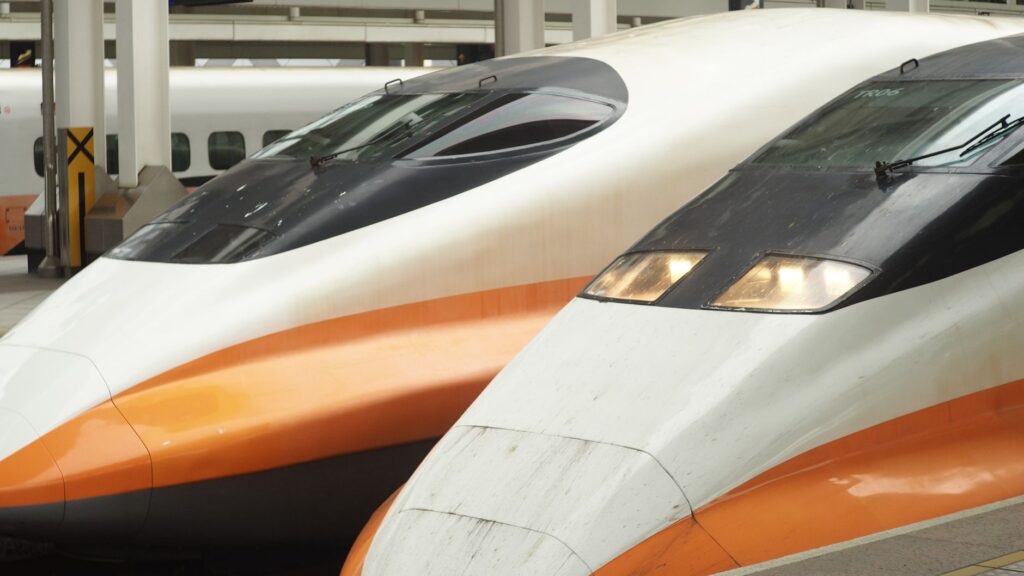

Vadodara Bullet Train Station Project Overview
The development of modern transportation infrastructure in India is reaching new milestones, particularly with the implementation of high-speed rail corridors. Among the key nodes in this transformative network is the Vadodara station along the high-speed rail route. Designed to function as an architectural marvel and a highly efficient transit hub, the station aims to bridge the gap between rapid intercity travel and local urban mobility.
Innovative Architectural Design
The engineering approach for this modern terminal emphasizes seamless passenger movement and multi-modal integration. Placed strategically above existing rail platforms, the structure creates a unique multi-level transit ecosystem. This spatial arrangement not only optimizes land use in a densely populated urban environment but also drastically reduces transfer times for commuters moving between different modes of transportation.
Enhancing Urban Mobility
Connectivity remains a central pillar of the Vadodara bullet train project. Urban planners have designed the surrounding areas to link effortlessly with local bus networks, auto-rickshaws, and taxi services. Dedicated pedestrian pathways and modern concourses ensure that travelers can enter and exit the facility without navigating congested traffic corridors.
Boosting Regional Economy and Tourism
Beyond transit efficiency, the arrival of high-speed rail is expected to catalyze economic growth across the region. Improved accessibility makes commuting faster and more reliable, encouraging business investments and boosting tourism in Vadodara and its surrounding districts. Professionals and traders will find it significantly easier to travel to major economic centers along the corridor for daily business.
Sustainable and Passenger-Centric Facilities
Passenger comfort and environmental sustainability are at the forefront of the station’s development. The facility incorporates energy-efficient lighting, ample natural ventilation, and modern amenities tailored to the needs of modern travelers. Digital display systems, clear signage, and advanced ticketing counters ensure a smooth and hassle-free travel experience from arrival to departure.
Conclusion
The Vadodara high-speed rail terminal represents a crucial step forward in modernizing the nation’s transport network. By prioritizing intelligent design, robust urban integration, and passenger convenience, the project sets a high benchmark for future infrastructure developments across the country.