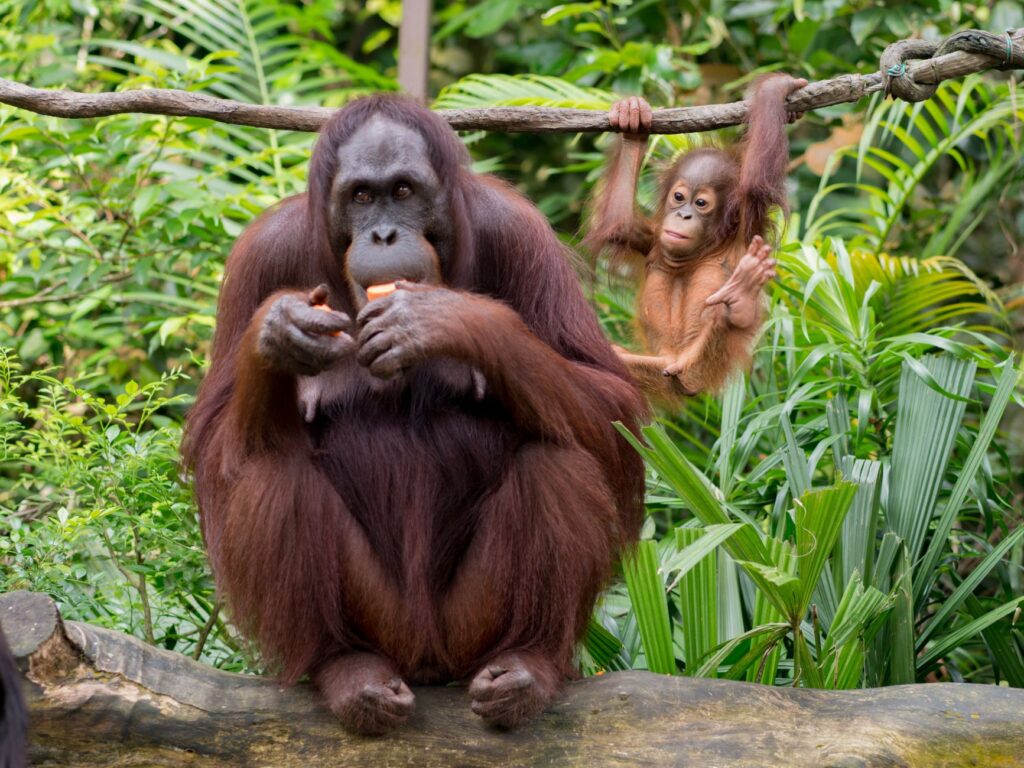

Understanding Orangutan Trauma After Rescue
Wildlife conservation efforts often involve delicate procedures to rehabilitate animals that have been displaced from their natural habitats. Recently, a significant rescue operation in the Balasore region of Odisha brought five young orangutans under the care of specialized wildlife personnel. These animals were separated from their mothers at a very young age, an experience that causes severe psychological distress and trauma.
Primate behavior experts note that young orangutans depend heavily on maternal care for their emotional and physical development. Without this foundational support, rescued animals frequently exhibit signs of acute anxiety, fear, and behavioral issues. Addressing this trauma requires more than basic veterinary treatment; it demands a comprehensive approach to mental well-being and environmental enrichment.
Implementing Specialized Care and Enrichment Strategies
To help the five young primates cope with their new surroundings, caretakers have introduced a unique rehabilitation program. This specialized routine incorporates various forms of environmental enrichment designed to mimic aspects of a natural forest habitat while providing comfort and security.
Among the innovative methods being utilized is music therapy. Facility staff play soothing acoustic melodies for the animals, which has been observed to have a calming effect on their nervous systems. Soft, melodic sounds help reduce cortisol levels, allowing the primates to rest more peacefully and adjust to the presence of human caretakers without constant panic.
The Role of Toys and Hammocks in Rehabilitation
In addition to auditory stimulation, the rehabilitation regimen includes physical tools designed to encourage natural behaviors. The young orangutans have been provided with specially designed toys that stimulate cognitive function and problem-solving skills, keeping their active minds engaged throughout the day.
Furthermore, hammocks have been installed within their enclosure spaces to offer a sense of security. In the wild, orangutans spend a significant portion of their lives high in the canopy, often constructing nests for resting. The hammocks simulate the elevated, swinging sensation of a natural sleeping platform, helping the animals feel safe and grounded as they navigate their recovery.
The Path Forward for the Rescued Primates
The integration of music therapy, interactive toys, and elevated resting spaces represents a modern shift toward holistic animal welfare. Rehabilitation specialists monitor the daily progress of each individual closely, tracking behavioral improvements and physical health metrics to ensure the therapy is effective.
While the journey toward complete rehabilitation is long, these early interventions provide a strong foundation for the future. As the primates continue to grow under dedicated supervision, conservationists hope these innovative care techniques will set a new benchmark for supporting traumatized wildlife in sanctuary environments.