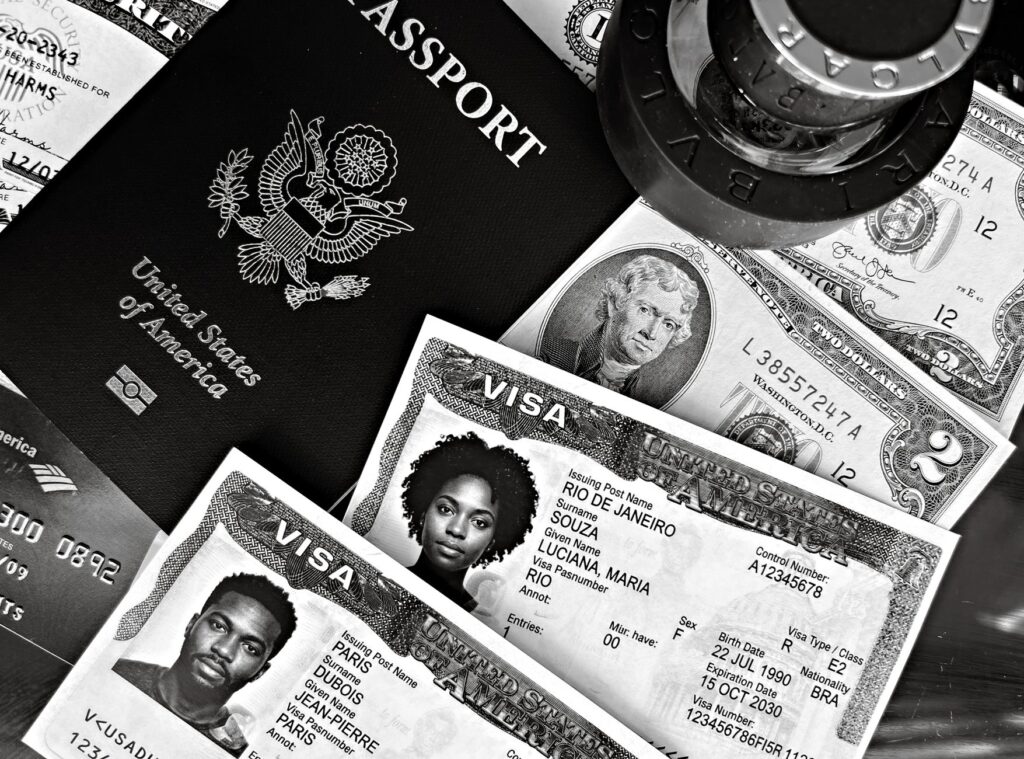

Understanding the H1B Visa Grace Period
Immigration policies in the United States often undergo shifts that create ripples across the global workforce. Recent proposals regarding work visas have brought renewed attention to temporary residency rules. Specifically, discussions have centered around the potential elimination of the standard adjustment window that allows foreign workers to remain in the country legally after losing employment. This policy framework has historically provided stability for individuals navigating career transitions in competitive industries.
The Current Framework Explained
Under existing regulations, foreign nationals holding specialized professional visas are granted a designated timeframe to secure new employment, change their legal status, or prepare for departure upon the termination of their jobs. This temporary buffer is designed to mitigate the immediate disruption caused by sudden layoffs or corporate restructuring. Skilled workers rely on this window to organize their affairs without facing immediate immigration penalties or legal compliance issues.
Potential Impacts on Indian Nationals
Citizens of India represent a significant portion of the specialized workforce utilizing these employment-based visas. Any modification to the current duration of stay following employment termination could introduce substantial operational challenges for these professionals. Without an adequate transition window, individuals might face immediate pressure to relocate or secure alternative sponsorship rapidly, increasing stress and uncertainty for families established in the region.
Broader Economic and Industry Considerations
Employers across technology, finance, and engineering sectors frequently depend on international talent to meet ongoing labor demands. Critics of tightening immigration rules argue that removing protective measures could make the domestic market less attractive to top-tier global professionals. Conversely, proponents of policy changes emphasize national security and domestic workforce priorities as primary drivers for reforming temporary residency guidelines.
Navigating Future Policy Shifts
As discussions surrounding immigration reform continue to evolve, professionals in specialized fields are closely monitoring administrative updates. Legal experts advise affected individuals to stay informed about regulatory developments and maintain open communication with immigration counsel. Understanding rights and obligations under current and prospective laws remains essential for long-term career planning in an interconnected global economy.