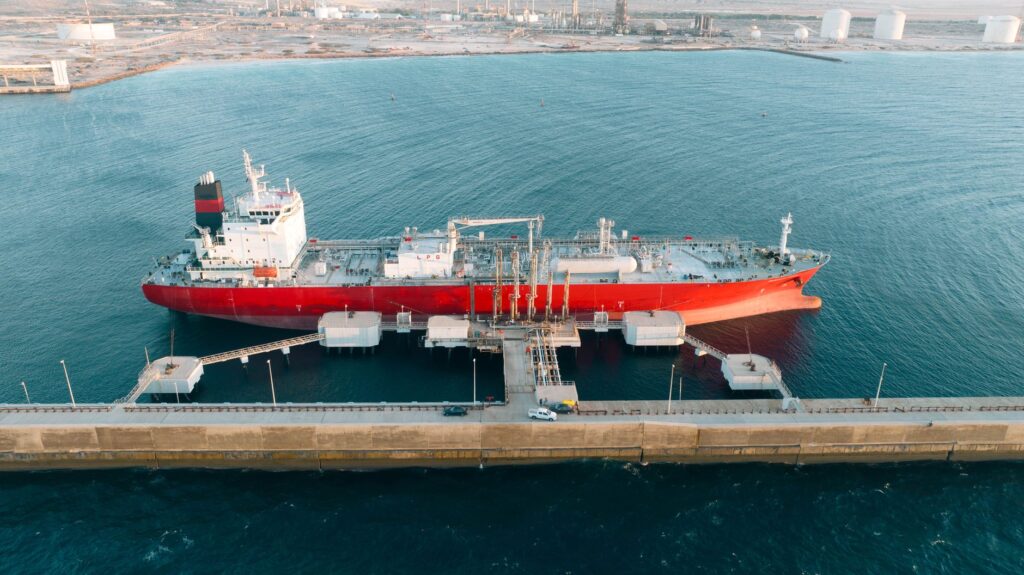

Geopolitical tensions in the Middle East have entered a critical new phase following reports that Houthi forces have taken control of the strategic Yemeni port city of Mocha. This development places immense pressure on vital international maritime pathways, raising profound concerns among global economies and security analysts alike. The capture of this coastal hub highlights the expanding reach of Iran-backed militant groups across the region and their capacity to disrupt critical global trade arteries.
Strategic Importance of the Bab el-Mandeb Strait
The seizure of Mocha is particularly alarming because of its proximity to the Bab el-Mandeb Strait. This narrow maritime choke point serves as the southern gateway to the Red Sea, connecting the Indian Ocean to the Suez Canal. A significant percentage of global commerce, including vital energy shipments and manufactured goods, transits through these waters daily. When hostile forces gain a foothold near this vital corridor, the security of international shipping fleets is immediately compromised, leading to potential supply chain disruptions and surging insurance costs for commercial vessels.
Expanding Proxy Warfare in the Region
Observers have long warned about the intricate network of alliances connecting Tehran to various armed factions across the Middle East. Beyond Yemen, regional dynamics are continuously shaped by activities involving groups in Iraq, Syria, and Lebanon. The ability of these militias to execute coordinated operations demonstrates a sophisticated level of tactical coordination and resource sharing. As these proxy networks consolidate territorial gains, regional powers find themselves locked in a persistent struggle for influence, with vital infrastructure and trade routes caught in the crossfire.
Implications for Neighboring States and Global Commerce
For neighboring countries, particularly Saudi Arabia, the consolidation of Houthi control along Yemen’s coastline presents a direct national security challenge. Prolonged instability on the southern border requires continuous defense vigilance and strains diplomatic efforts to achieve a lasting peace. Furthermore, the broader international community watches these events with growing apprehension. Any escalation that threatens freedom of navigation in the Red Sea inevitably triggers economic repercussions worldwide, affecting everything from petroleum prices to the timely delivery of consumer goods.
Pathways Toward Diplomatic Resolution
Despite the escalating security dilemmas, international diplomats continue to emphasize the necessity of political dialogue. Resolving the underlying conflicts in Yemen requires comprehensive negotiations that address both local grievances and broader regional interventions. Without a concerted multilateral effort to stabilize the region, strategic coastal zones like Mocha will remain flashpoints, keeping global trade vulnerable to the shifting tides of geopolitical conflict.