

Employment Trends Across the Country
Recent data highlights significant shifts in the employment landscape across various districts in the nation. Labor market dynamics often reveal stark contrasts between different regions regarding workforce participation.
Understanding Informal Employment
Informal employment remains a major component of the national economy. Millions of workers rely on informal setups for their daily livelihoods, operating outside structured corporate frameworks.
The Telangana District Achievement
A notable district in Telangana has recently claimed the top position nationwide regarding informal labor participation. This region has captured widespread attention from economists and policy analysts alike.
Remarkable Female Participation
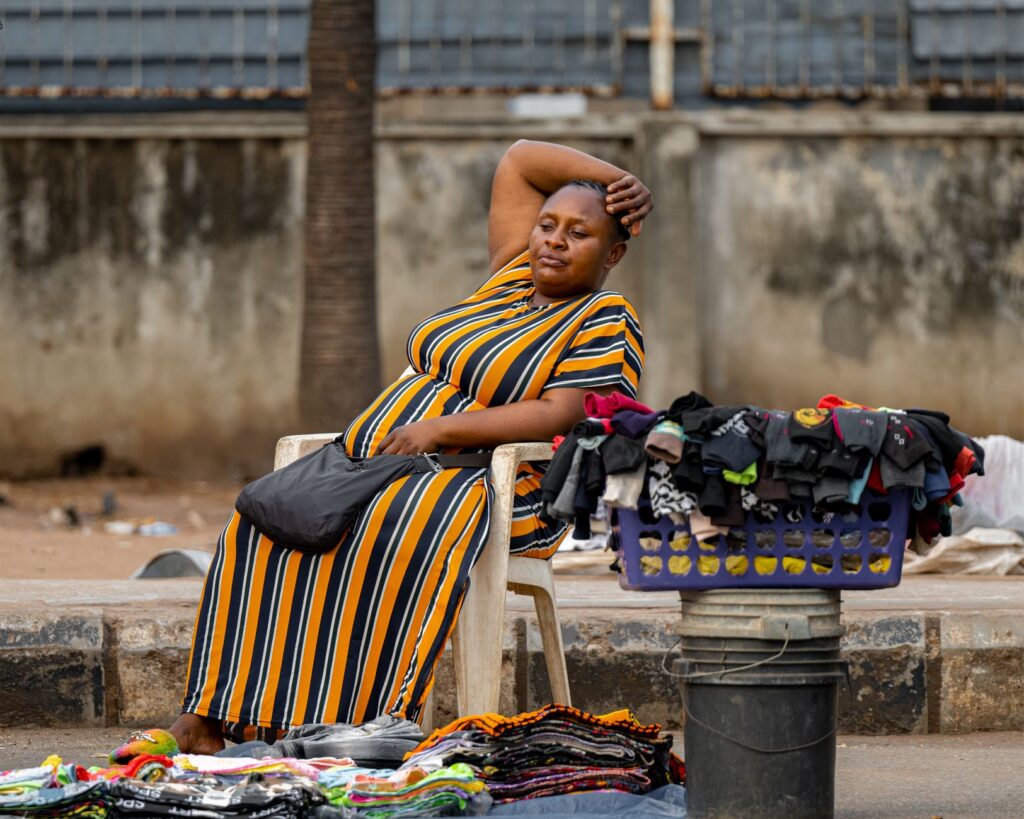
Female workers form the vast majority of the informal workforce in this specific area. Women comprise a staggering seventy-eight percent of all informal workers registered within the district boundaries.
Economic Implications and Livelihoods
This high concentration of women in informal roles underscores the reliance on traditional sectors for income generation. Many of these female workers engage in agriculture, local handicrafts, and micro-enterprises to sustain their families.
Challenges Faced by Informal Workers
Despite high participation rates, informal workers frequently encounter numerous hurdles. Lack of job security, minimal social protection, and fluctuating incomes remain pressing concerns for the vast majority.
Policy Responses and Future Outlook
Government bodies and local agencies continue to evaluate these employment statistics to design better support systems. Enhancing financial literacy and providing formal training could significantly improve working conditions for these individuals.
Conclusion
The prominent status of this Telangana district sheds light on the broader realities of the national labor market. Addressing the needs of female informal workers is crucial for fostering inclusive economic growth in the future.