
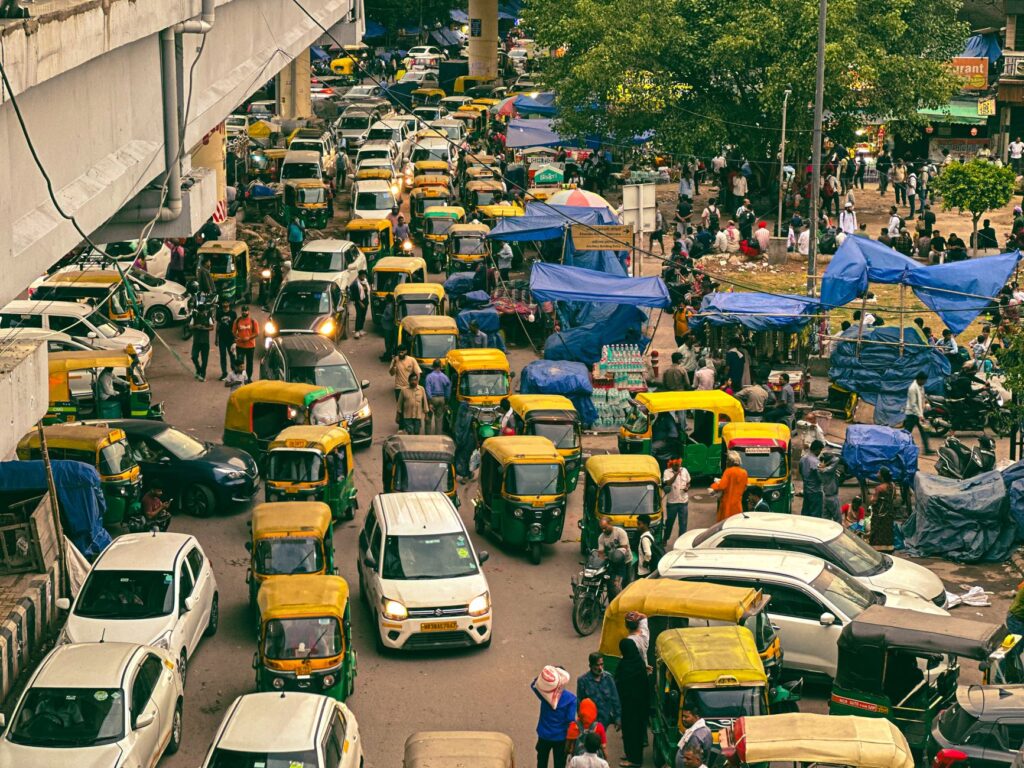

Commuters navigating the streets of the national capital should prepare for significant congestion and movement restrictions. Authorities have announced that major thoroughfares will experience disruptions lasting for more than six hours. These measures are being implemented in preparation for the upcoming BRICS engagements.
Understanding the Schedule
The restrictions and diversion protocols are officially scheduled to take effect in the afternoon. Specifically, motorists will encounter roadblocks, checkpoints, and restricted access starting at 2 PM. Traffic management personnel will be deployed across critical junctions to regulate the flow of vehicles and secure designated corridors.
Because the restrictions are set to span over six hours, the evening commute is expected to bear the brunt of the delays. Public transport users, taxi passengers, and private vehicle owners alike are advised to factor in substantial buffer times for any necessary transit across the city.
Primary Affected Corridors
While city planners have not released an exhaustive list of every closed lane, key arterial roads connecting central districts are bound to experience bottlenecks. Areas leading to major diplomatic enclaves, high-profile hotels, and official meeting venues will see the highest level of security scrutiny and movement limitations.
Motorists heading toward central zones are strongly encouraged to avoid major avenues and instead opt for peripheral ring roads where possible. Traffic police will dynamically alter routes depending on security requirements, meaning real-time updates should be monitored closely before embarking on any journey.
Alternative Routes and Commuter Advice
To minimize personal inconvenience, commuters are urged to utilize metro rail services rather than road transport whenever feasible. Underground transit systems remain largely immune to surface-level blockades and provide a reliable alternative for reaching various parts of the metropolis.
Those who must drive should keep updated with official advisories issued by city traffic authorities. Planning alternative pathways well in advance will help bypass heavily congested zones. Cooperation with deployed security personnel and adherence to temporary diversion signs will be essential for maintaining order during this high-level international gathering.