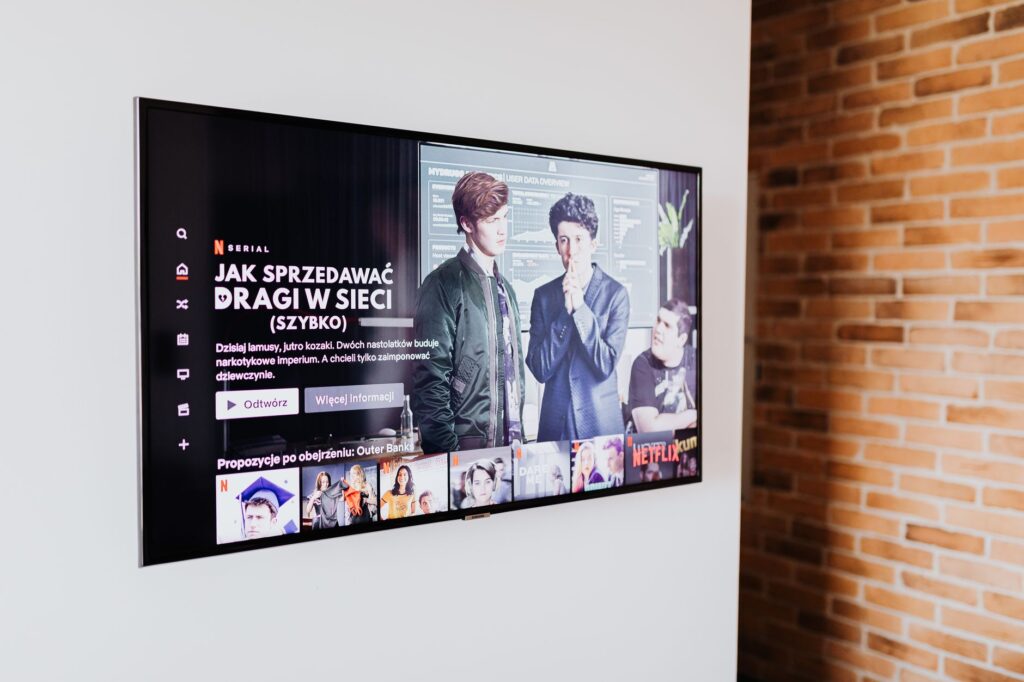

Modern Home Entertainment
A smart television can completely change how you watch movies, sports, and streaming content, but screen quality is only one part of the overall experience. When shopping for a new home entertainment display, buyers often focus exclusively on resolution and panel technology. While these factors matter greatly, the day-to-day usability of the device plays an equally crucial role in determining long-term satisfaction. Evaluating how these systems perform in real-world scenarios helps clarify which options genuinely elevate your viewing routine.
The Evolution of Display Technology
Television screens have advanced dramatically over recent years, offering incredible clarity, vibrant colors, and deep contrast levels. However, simply having a high-resolution panel does not guarantee a superior entertainment experience. Modern displays must process various types of content, ranging from standard definition broadcasts to ultra-high-definition streaming services. The internal processing power dictates how smoothly fast-moving action sequences appear and how effectively the device upscales older video formats.
Evaluating Everyday Usability
Beyond visual specifications, the software interface and remote control design significantly impact daily interactions. Navigating through multiple streaming applications should be seamless and responsive. Sluggish operating systems can turn a simple movie night into a frustrating ordeal. Furthermore, audio performance remains a vital component that is frequently overlooked during the initial purchasing decision. Integrated speakers must deliver clear dialogue and adequate sound staging to match the visual fidelity.
Connectivity and Integration
Today’s living room setups often involve numerous connected devices, including gaming consoles, soundbars, and streaming sticks. A comprehensive smart television must offer sufficient ports and reliable wireless connectivity to accommodate these peripherals without hassle. Seamless integration with smart home ecosystems also adds a layer of convenience, allowing users to control their displays using voice commands or automated routines.
Making the Right Choice
Selecting the ideal display requires balancing technical specifications with personal viewing habits. If your primary focus is cinematic films, prioritizing contrast and color accuracy is paramount. Conversely, sports enthusiasts might place greater value on motion handling and wide viewing angles. By assessing these practical elements rather than relying solely on marketing claims, you can secure a television that truly enhances your daily media consumption.