
Historical Milestones in Rail Infrastructure
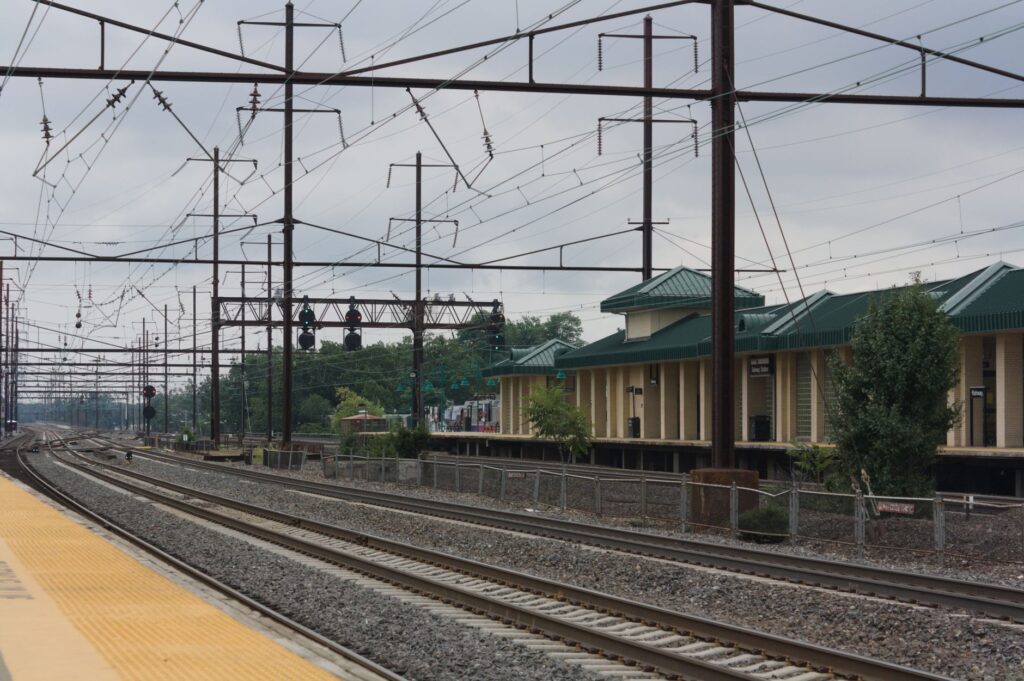
The railway network in the southern region of the country has reached a monumental milestone. After a journey spanning nearly a century, the entire operational rail network has achieved complete electrification. This historic accomplishment covers thousands of kilometers of tracks, marking a transformative shift in how transportation infrastructure functions in this part of the country.
Completing this massive infrastructural undertaking after ninety-five years demonstrates a long-term commitment to modernizing public transit. The transition from legacy power sources to a fully electrified grid aligns with broader national goals of enhancing travel efficiency, reducing reliance on imported fossil fuels, and embracing sustainable engineering practices.
Scope of the Electrification Project
The newly electrified network encompasses a vast geographical spread, totaling five thousand and sixty-eight kilometers of operational routes. Over the decades, railway engineers and technicians faced numerous geographical and logistical hurdles to wire these tracks.
From densely populated urban corridors to remote rural stretches, the integration required meticulous planning and execution. The successful completion of this vast network ensures that electric locomotives can now operate seamlessly across all regional lines without interruptions or the need for locomotive changes.
Major Benefits for Train Operations
The completion of this ambitious project brings a wide array of operational advantages to the railway system. One of the most significant improvements is the substantial increase in train speeds. Electric engines deliver superior acceleration and pulling power compared to older alternatives, allowing passenger and freight services to maintain tighter schedules.
Furthermore, the elimination of engine changeovers at transitional junctions drastically cuts down journey times. Trains can now traverse long distances without stopping solely to switch power units, streamlining overall network fluidity and reducing congestion at major terminal stations.
Environmental Impact and Sustainability
Beyond speed and efficiency, this milestone represents a massive leap forward for environmental conservation. Shifting entirely to electric traction significantly lowers greenhouse gas emissions associated with regional rail transport.
By cutting out diesel consumption across thousands of kilometers of track, the network reduces its carbon footprint substantially. This green transition supports broader ecological objectives, helping to combat air pollution and promote cleaner modes of mass transit for millions of daily commuters.
Economic Advantages and Freight Efficiency
Operational cost reduction is another vital outcome of the complete electrification initiative. Electricity is generally a more cost-effective energy source than diesel, leading to long-term financial savings in system maintenance and fuel procurement.
These cost efficiencies extend directly to freight operations. Cargo trains can now haul heavier loads at higher speeds across the entire regional grid, boosting industrial supply chains and making railway logistics a more competitive option for businesses moving goods over long distances.
Future Outlook for Regional Mobility
Achieving complete electrification lays a robust foundation for future expansions and technological upgrades within the rail sector. With a unified power infrastructure in place, authorities can easily introduce higher-speed trainsets, advanced signaling systems, and improved passenger amenities.
This comprehensive modernization ensures that the century-old rail network remains relevant, efficient, and capable of meeting the growing transportation demands of the region for decades to come.