

Introduction to the September 11 Attacks
The events of September 11 remain etched in modern history as a defining moment that dramatically altered the geopolitical landscape, security protocols, and cultural consciousness of the world. Two and a half decades after the tragic events, society continues to reflect on the magnitude of the loss, the resilience of those affected, and the profound changes that rippled across nations following the coordinated terrorist assaults.
Chronology of That Fateful Morning
On the morning of September 11, nineteen militants associated with the extremist group al-Qaeda hijacked four commercial airliners scheduled for transcontinental flights within the United States. The attackers successfully seized control of the planes, turning them into guided projectiles meant to strike high-profile symbols of American power and infrastructure.
Two of the hijacked aircraft, American Airlines Flight 11 and United Airlines Flight 175, were intentionally flown into the Twin Towers of the World Trade Center complex in New York City. The resulting structural damage, intense fires, and subsequent collapses of both towers devastated lower Manhattan and resulted in catastrophic casualties.
A third hijacked plane, American Airlines Flight 77, was directed into the Pentagon, the headquarters of the United States Department of Defense, located just outside Washington, D.C. This strike caused significant structural damage and loss of life within the military facility.
The fourth aircraft, United Airlines Flight 93, experienced an onboard revolt by passengers and crew members who fought back against the hijackers. Realizing the plane was intended for another prominent target in Washington, likely the United States Capitol or the White House, the passengers intervened, causing the aircraft to crash into a field in rural Shanksville, Pennsylvania, preventing further devastation.
Immediate Human Toll and Rescue Efforts
Scale of the Tragedy
The human cost of the attacks was unprecedented. Thousands of innocent lives were lost instantly or perished due to injuries sustained during the impacts and subsequent collapses. Victims included office workers, passengers, flight crews, and first responders who rushed into danger to save others.
Heroism of First Responders
Firefighters, police officers, emergency medical technicians, and ordinary citizens demonstrated extraordinary courage on that day. Thousands of first responders converged on Ground Zero, the Pentagon, and the Pennsylvania crash site, risking and in many cases sacrificing their own lives to evacuate survivors and secure the areas.
Global Political and Security Transformation
Shift in National Security
Governments worldwide responded to the tragedy by overhauling domestic security measures and intelligence operations. In the United States, the Department of Homeland Security was established, and sweeping legislation like the USA PATRIOT Act was enacted to expand surveillance and counterterrorism powers, sparking ongoing debates regarding civil liberties and privacy.
Foreign Policy and Military Action
The attacks served as the catalyst for the launch of the Global War on Terror. Military campaigns were initiated in Afghanistan to dismantle al-Qaeda and remove the Taliban regime that provided sanctuary to the terrorist organization. Subsequent interventions and geopolitical shifts reshaped international relations, diplomacy, and military strategies for decades to follow.
Societal and Cultural Impact
Air Travel and Daily Life
Everyday life underwent a permanent transformation, particularly in transportation. The establishment of stricter aviation security screening protocols altered air travel globally, introducing long queues, baggage restrictions, and heightened vigilance at airports worldwide.
Commemoration and Remembrance
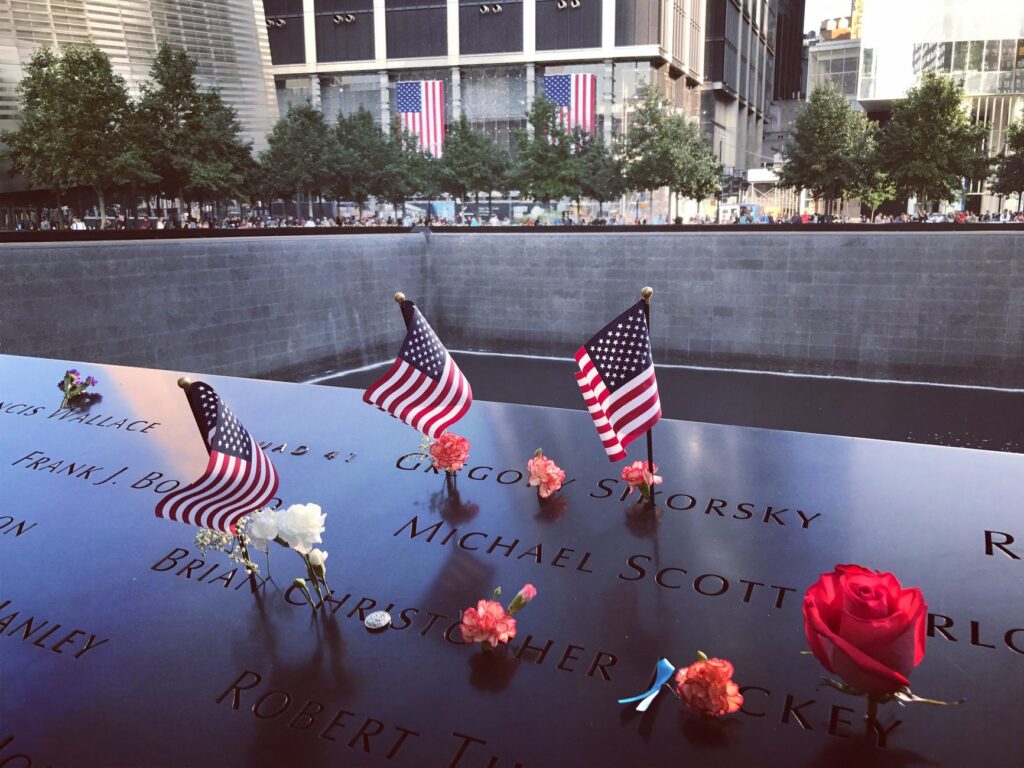
Decades later, memorial sites, museums, and annual commemorations serve as solemn reminders of the lives cut short. These spaces offer solace to grieving families and educate younger generations who were not yet born about the enduring importance of unity, peace, and resilience in the face of adversity.
Conclusion
A 25-year retrospective provides an opportunity to honor the victims, acknowledge the tireless efforts of emergency workers, and evaluate the long-term consequences of a day that reshaped history. As time progresses, the lessons learned from the events of September 11 continue to influence global security, international cooperation, and the collective memory of free nations.