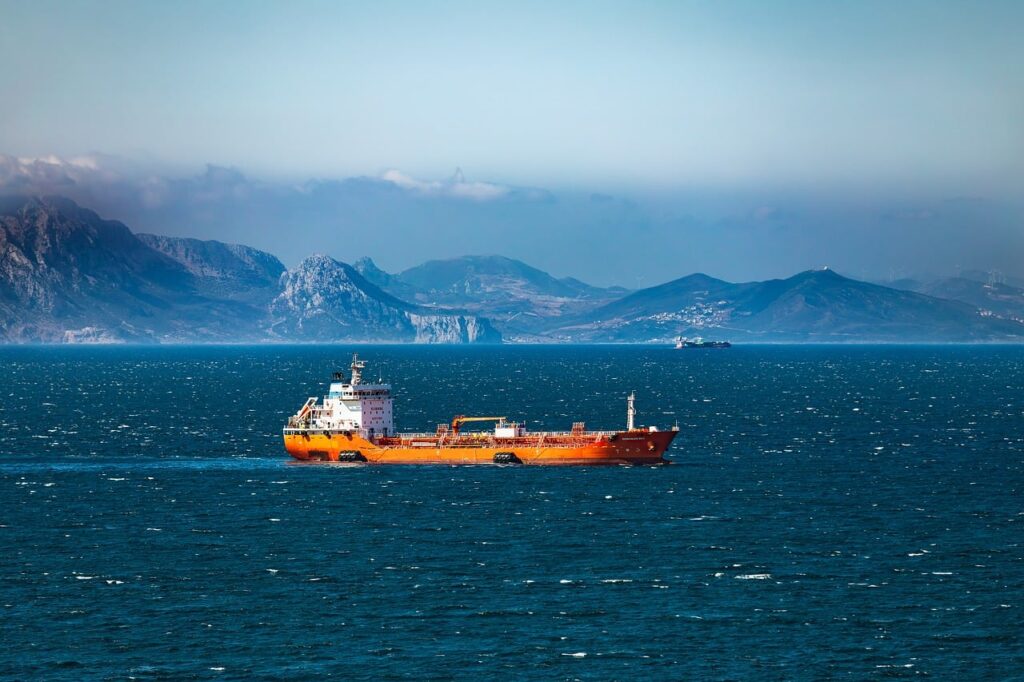

Operational Shifts in Maritime Logistics
Mangalore Refinery and Petrochemicals Ltd (MRPL) has officially canceled its charter for a vessel originating from West Asia, according to industry sources familiar with the company’s logistics operations. The decision, reported this week, marks a significant shift in the state-owned refiner’s crude procurement strategy, as the firm actively scouts for a replacement vessel to maintain its supply chain stability.
Context of the Regional Energy Trade
MRPL, a subsidiary of Oil and Natural Gas Corporation (ONGC), relies heavily on imported crude to feed its coastal refinery in Karnataka. West Asia has historically served as the primary source for India’s energy imports due to proximity and established shipping routes. However, global maritime logistics have faced persistent volatility, ranging from fluctuating spot rates to geopolitical tensions affecting vessel availability in the region.
Analyzing the Charter Cancellation
Industry analysts suggest that the decision to cancel the charter may stem from a combination of rising freight costs and the need to optimize vessel specifications for specific crude grades. When a major refiner cancels a charter, it often indicates a pivot toward more favorable spot market conditions or a change in the refinery’s processing schedule. Sources close to the matter indicate that the company is currently evaluating multiple alternatives to ensure that feedstock deliveries remain uninterrupted.
This move is not entirely unprecedented in the volatile tanker market. Refiners frequently adjust their shipping requirements based on the availability of Very Large Crude Carriers (VLCCs) and Suezmax tankers. By seeking a replacement, MRPL is likely attempting to mitigate the risk of demurrage charges or potential delays that could impact refinery throughput.
Expert Perspectives on Shipping Dynamics
Maritime experts point out that the current shipping environment is characterized by thin margins and high operational risks. According to data from the Baltic Exchange, freight rates for tankers have remained sensitive to regional disruptions, often forcing charterers to re-evaluate their contracts on short notice. Shipping brokers note that while the cancellation is a strategic maneuver, it highlights the broader challenge of managing energy security in a market where vessel supply is increasingly tight.
The move also underscores the complexities of the Indian refining sector, which must balance the procurement of crude oil with stringent delivery timelines. Any disruption in vessel arrivals can force a refinery to dip into strategic reserves or adjust its product output, both of which carry significant financial implications.
Implications for the Industry
For the broader energy industry, this development suggests that Indian refiners are becoming more agile in their logistics management. As global trade routes face ongoing scrutiny, companies like MRPL are likely to prioritize flexibility in their charter agreements. This shift toward short-term agility may become a permanent feature of the market as refiners attempt to hedge against unpredictable freight volatility.
Looking ahead, stakeholders should monitor the pace at which MRPL secures a replacement vessel. Any prolonged delay in finalizing a new charter could signal deeper structural issues within the regional tanker market or an inability to secure favorable terms. Market observers will also be tracking whether other regional refiners follow suit, potentially indicating a wider trend of contract restructuring across the West Asia-to-India energy corridor.