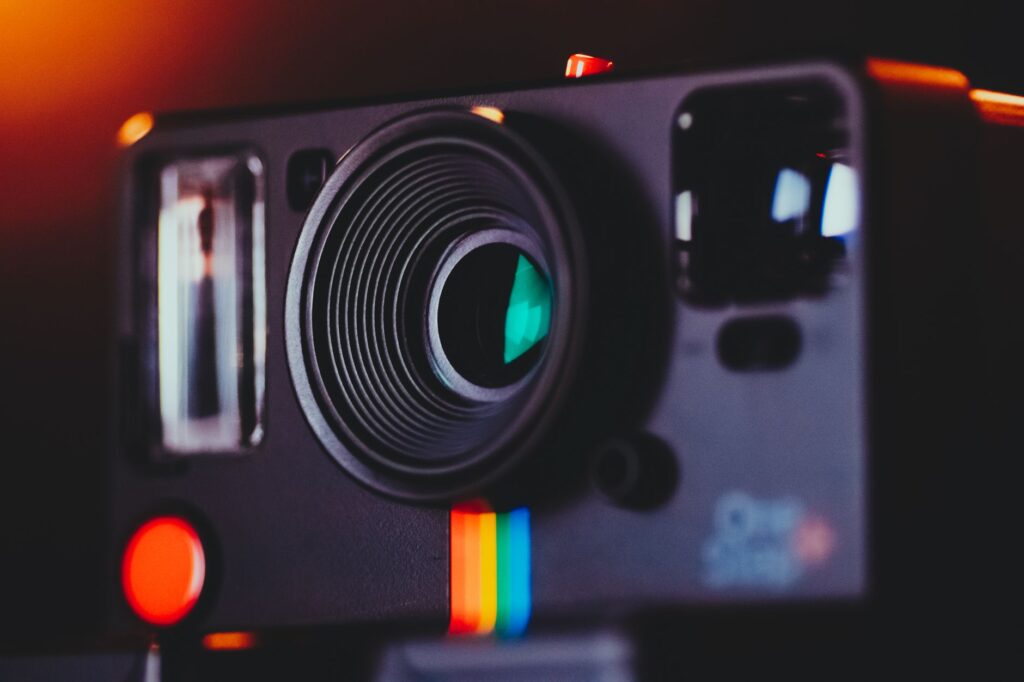

The Rise of Retro AI Photography
Internet trends move at a breathtaking pace, and the latest craze involves transforming ordinary selfies into stylized 1980s portraits using artificial intelligence. Millions of social media users are participating, eager to share nostalgic depictions of themselves complete with vintage attire, retro hairstyles, and classic lighting effects. This playful phenomenon has dominated feeds across major social platforms, drawing participants of all ages into the digital time machine.
However, beneath the surface of this lighthearted entertainment lies a growing chorus of warnings from cybersecurity specialists and data privacy advocates. As users rush to share their transformed likenesses, critical questions are being raised regarding the long-term safety of feeding personal facial imagery into third-party AI models. The convenience of a single click often masks complex data processing pipelines that deserve a closer examination.
Understanding the Privacy Risks
When an individual uploads a personal photograph to an AI chatbot or generation tool, that image ceases to be a simple digital file. It becomes a data point. Facial geometry, skin tone, bone structure, and unique identifiers are captured and analyzed by algorithms. While the immediate reward is a striking retro photograph, the underlying trade-off involves surrendering biometric data to digital platforms.
Security experts consistently point out that once personal images are transmitted to external servers, users relinquish control over how that information is handled. Depending on the terms of service of a given platform, uploaded photos might be stored indefinitely, shared with corporate affiliates, or utilized to train future generations of neural networks. This lack of transparency leaves many privacy advocates deeply concerned about the normalization of casual biometric sharing.
Data Collection and Training Models
Artificial intelligence systems do not learn in a vacuum. They require vast amounts of varied data to refine their outputs, and human faces are among the most valuable commodities in the tech industry. When millions of people freely supply high-resolution photographs to participate in a viral meme, they are inadvertently helping corporations improve facial recognition technologies and generative models.
The implications of widespread facial data collection extend far beyond harmless social media sharing. Advanced AI models trained on diverse human faces can eventually be deployed in surveillance systems, security authentication protocols, and deepfake generation software. By participating in trendy photo generation challenges, users may be contributing to the very datasets that could later compromise digital identity security.
Evaluating the Terms of Service
Few internet users take the time to read the lengthy terms and conditions associated with free applications and chat interfaces. Yet, these legal documents often contain clauses that grant companies sweeping rights to use, modify, and distribute uploaded content. Agreeing to these terms without reading them carefully can legally permit a company to commercialize a user’s likeness without further consent or compensation.
Even popular and reputable platforms frequently update their policies regarding user data. What starts as a temporary processing agreement can evolve into permanent data retention. Consumers must recognize that if a digital service is offered entirely free of charge, the user’s personal data and likeness are frequently the currency being exchanged.
Best Practices for Digital Safety
Navigating modern digital trends does not require complete isolation from technology, but it does demand a heightened sense of caution. Before participating in any viral photography trend or uploading personal imagery to an AI tool, users should pause to evaluate the potential consequences. Reviewing privacy policies, understanding data retention practices, and opting out of data sharing settings when available are essential protective measures.
Ultimately, the appeal of a nostalgic throwback picture must be weighed against the intrinsic value of personal privacy. As artificial intelligence continues to reshape the digital landscape, maintaining control over one’s biometric identity remains a vital component of personal cybersecurity.