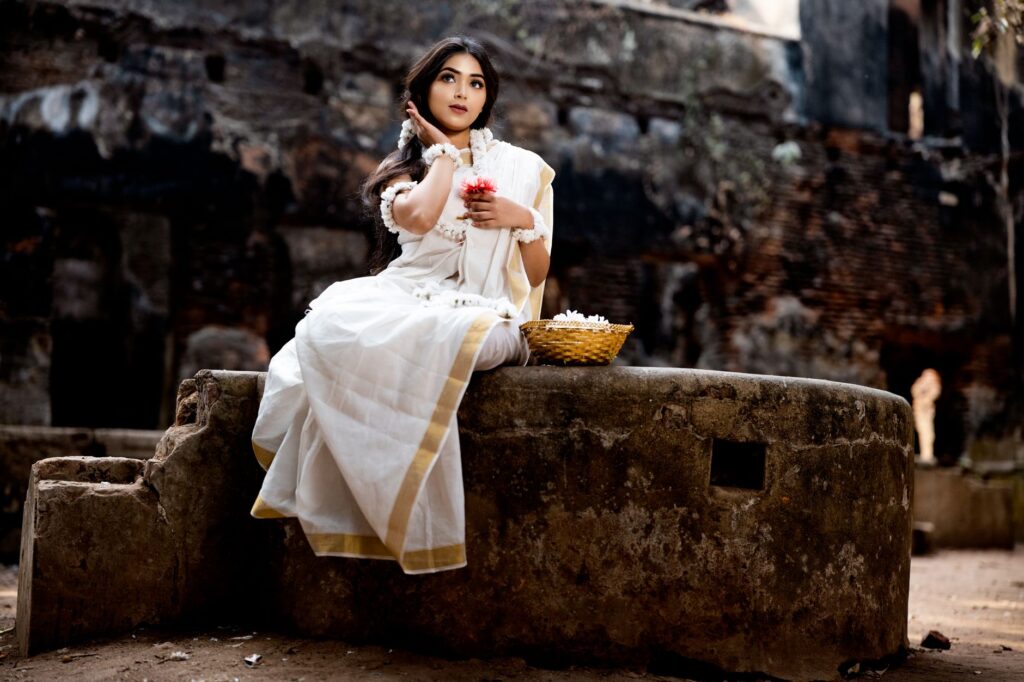

Actor Aishwarya Lekshmi recently shared a revealing personal experience about encountering deeply rooted caste prejudices during her time working in rural parts of Tamil Nadu. Known for her prominent roles in South Indian cinema, the performer opened up about how traditional social hierarchies and identity queries manifested in everyday interactions outside urban centers. Her reflections shed light on the persistence of social stratification in regional communities and the unexpected ways these attitudes surface for outsiders.
Encountering Traditional Identity Markers in Rural Regions
While participating in a project situated in the countryside of Tamil Nadu, the actor found herself confronted with inquiries about her background that she was entirely unprepared to address. In many regional communities, interpersonal interactions often involve traditional markers of identity to establish a person’s social standing. For someone coming from a different urban or cultural environment, navigating these unwritten social expectations proved to be an eye-opening challenge.
The Moment of Confrontation with Caste Attitudes
The central incident involved locals asking the actor about her lineage and specific traditional affiliations. When she responded that she was unaware of these details, the admission was met with surprise and suspicion by the residents. This interaction highlighted the stark contrast between modern, urban detachment from traditional social constructs and the continued reliance on these classifications in rural settings to categorize individuals and determine their place within the local hierarchy.
Reflections on Social Stratification and Awareness
Reflecting on the episode, the performer emphasized how entrenched these viewpoints remain in certain areas. Her experience serves as a broader reminder of the social complexities that still exist across various regions, even as contemporary society moves toward more progressive ideals. By speaking out about these encounters, she brings attention to the subtle and overt ways caste dynamics continue to influence daily life and human interactions in rural landscapes.