
The political landscape in Bihar is witnessing renewed debate surrounding the state’s stringent alcohol prohibition policy. Critics and opposition parties are increasingly arguing that the administration needs to look far beyond the current ban to tackle a rapidly worsening narcotics crisis. While the total ban on liquor was initially implemented to promote social welfare, lawmakers and public figures suggest that enforcement gaps have unintentionally fueled a dangerous shift toward illicit substances among the youth.
Shifting Patterns of Substance Abuse
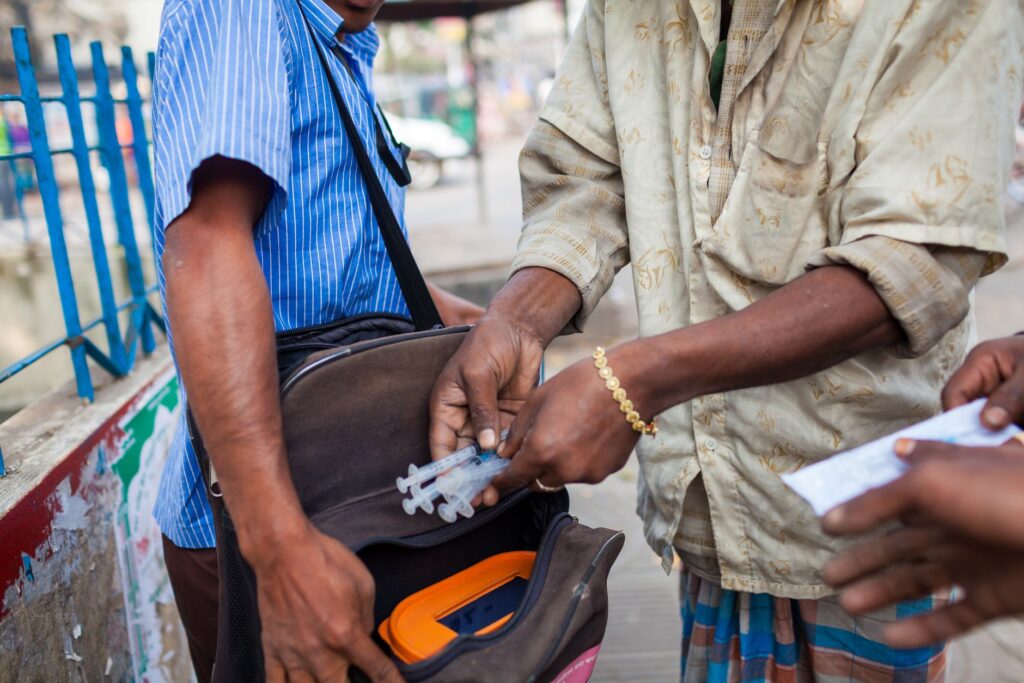
Public health observers note that since the liquor ban took effect, enforcement agencies have struggled to curb the underground market. Consequently, vulnerable populations, particularly teenagers and young adults, have increasingly turned to synthetic drugs, prescription medications, and other narcotics as readily available substitutes. Medical professionals in the region report a steady rise in individuals seeking treatment for severe chemical dependency, highlighting a public health emergency that demands immediate government intervention.
Opposition Arguments and Policy Criticisms
Various political factions have voiced strong concerns regarding the state’s current strategy. Opposition leaders argue that the heavy focus on penalizing alcohol consumption has diverted vital law enforcement resources away from dismantling major drug trafficking rings. Critics emphasize that a punitive approach alone cannot solve deeply rooted socio-economic challenges. Instead, they advocate for a comprehensive framework that combines robust rehabilitation infrastructure, educational awareness campaigns, and targeted measures against organized narcotics syndicates.
The Call for Comprehensive Reform
Experts and politicians alike are pressing the administration to reevaluate its overarching strategy. Recommendations include upgrading counseling facilities, establishing specialized de-addiction centers in every district, and fostering greater community engagement to support affected families. As pressure continues to mount from various political platforms, the administration faces a critical test in balancing public health objectives with law enforcement priorities to protect the younger generation from the perils of substance abuse.