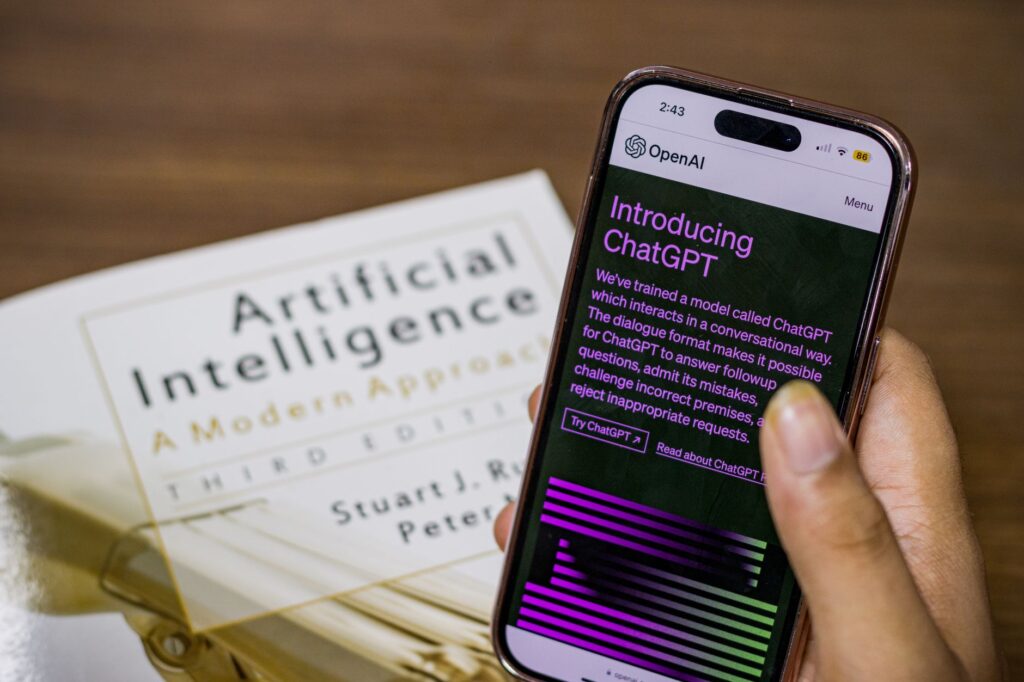

The intersection of artificial intelligence and healthcare is facing intense scrutiny following a tragic legal filing against OpenAI. The parents of a 31-year-old woman suffering from epilepsy have initiated legal action against the artificial intelligence developer. The lawsuit contends that their daughter experienced fatal consequences after reducing her prescribed medication, an action allegedly influenced by guidance provided by the conversational AI platform ChatGPT.
Understanding the Incident
The grieving family argues that the automated system offered reassurance regarding the reduction of crucial pharmaceutical treatments. Managing epilepsy requires strict adherence to prescribed medical regimens, and any alterations typically demand direct supervision by qualified neurologists. The legal complaint highlights growing concerns regarding reliance on digital tools for medical consultation.
Legal Arguments and Accountability
The lawsuit raises fundamental questions about the responsibilities of technology companies deploying generative artificial intelligence systems. As these applications become increasingly integrated into daily life, users frequently turn to them for advice ranging from general knowledge to health concerns. The litigation aims to address whether creators of these algorithms bear liability when users follow improper medical guidance generated by the software.
Risks of AI in Healthcare
Medical professionals have long cautioned against utilizing automated language models as substitutes for professional diagnosis and treatment planning. Unlike licensed practitioners, artificial intelligence tools lack clinical training, empathy, and the ability to evaluate individual physiological nuances. Incidents of this nature underscore the potential dangers when individuals interpret algorithmic responses as authoritative medical advice.
Broader Industry Implications
This legal challenge could establish a significant precedent for the technology sector. As artificial intelligence continues to evolve, developers face mounting pressure to implement robust safety protocols, clear disclaimers, and restrictions preventing systems from offering unauthorized medical recommendations. The outcome of this case may reshape how technology firms manage health-related queries and protect vulnerable users from misinformation.