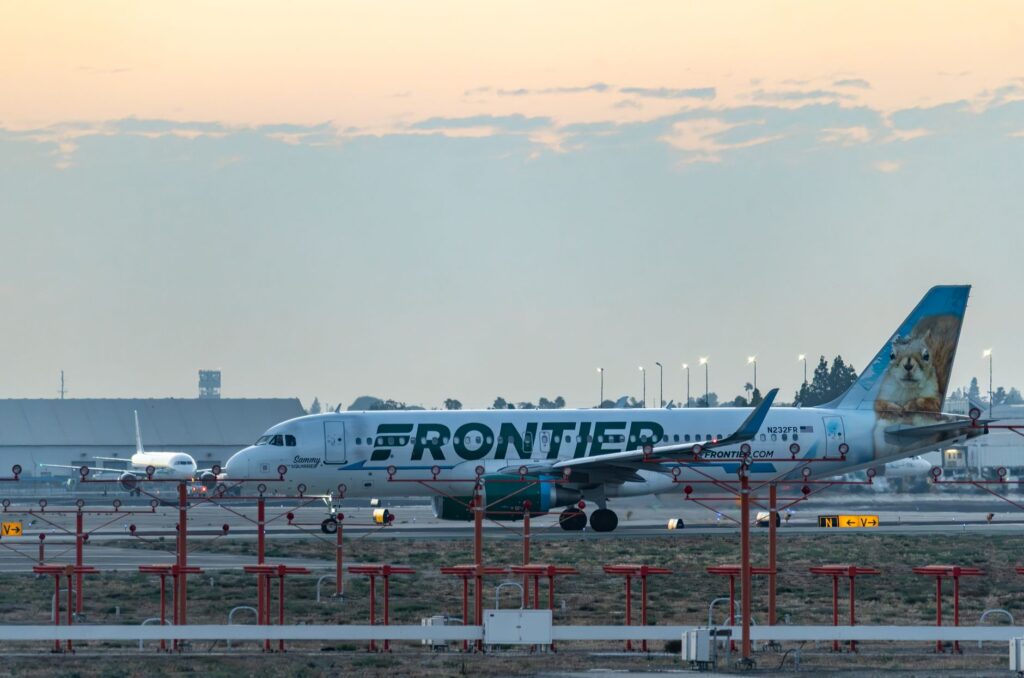

Frontier Airlines Hikes Fares 71% Amid Surging Jet Fuel Prices and Wider Losses
Introduction to the Aviation Industry Pressures
The commercial aviation sector continues to face unprecedented financial headwinds as operational expenses climb to historic highs. Carriers across the globe are forced to rethink their pricing strategies to maintain operational continuity while absorbing massive spikes in essential commodities. For budget carriers operating on razor-thin margins, these macroeconomic pressures present severe operational challenges that directly impact both the corporate balance sheet and the traveling public.
Third Quarter Financial Performance Overview
During the third quarter, Frontier Airlines experienced a significant widening of its financial losses, reporting a negative net result of 104 million dollars. This deeper deficit occurred despite a robust and steady increase in overall consumer demand for air travel. Passenger enthusiasm for flying remained exceptionally high throughout the period, yet strong top-line ticket sales were ultimately insufficient to offset the crushing weight of external cost factors that materialized during the quarter.
Impact of Surging Jet Fuel Costs
The primary driver behind the airline financial strain was the dramatic escalation in the price of propulsion energy. Jet fuel expenses experienced an astronomical surge of 82 percent compared to the same timeframe in the previous year, totaling an astonishing 425 million dollars for the quarter. Because fuel typically represents one of the largest expenditure categories for any airline, such rapid and severe inflation places an immediate and intense squeeze on profitability.
Ticket Price Adjustments and Consumer Impact
To combat the soaring cost of petroleum products and protect its remaining capital, airline leadership implemented substantial adjustments to ticket pricing. Average fares across the network were raised by an impressive 71 percent during the third quarter. While these aggressive pricing maneuvers are necessary for the airline to recoup operational expenditures, they also introduce new dynamics into the competitive travel market where price-sensitive customers continually evaluate their vacation and business travel options.
Future Outlook for Budget Carriers
Looking ahead, the path to sustained financial recovery for low-cost airlines will depend heavily on the stabilization of global energy markets. Management teams across the industry are closely monitoring commodity fluctuations and fine-tuning capacity to match demand without overextending resources. As fuel price volatility persists, carriers must carefully balance the need for fare hikes against the risk of dampening consumer demand in an increasingly competitive economic landscape.