
A Century of Environmental Impact in Arizona
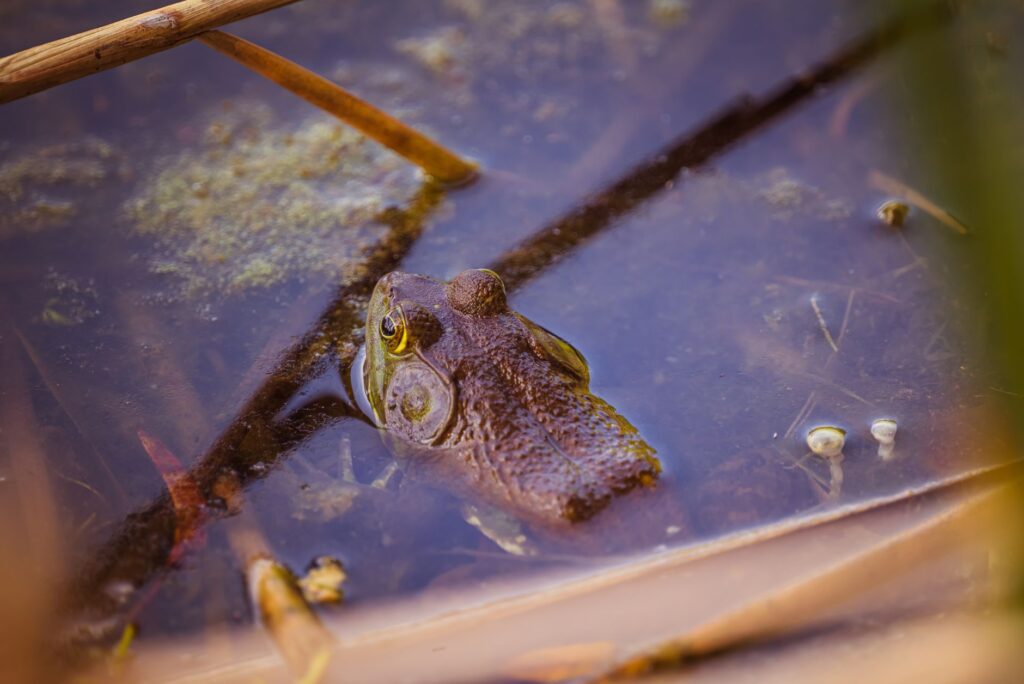
Nearly one hundred years ago, a deliberate introduction of large amphibians into the American Southwest set off an ecological chain reaction that continues to unfold today. In 1926, officials brought bullfrogs into Arizona with the intention of establishing a new source of food and recreational sport for residents. Little did conservationists know at the time, these foreign predators would establish thriving populations and dramatically alter local aquatic habitats.
Today, the legacy of that introduction poses a severe threat to several vulnerable native species. Among the most affected is the northern Mexican garter snake, a rare reptile struggling to survive in a landscape now dominated by the aggressive and sizeable invaders. While decades have passed since their initial arrival, the ecological pressures brought by these amphibians remain a pressing challenge for regional wildlife managers.
Understanding the Threat to Native Reptiles
The northern Mexican garter snake relies heavily on wetland habitats and aquatic margins to hunt and thrive. Unfortunately, these exact environments are heavily populated by the invasive bullfrogs. Because of their massive size and voracious appetites, the mature amphibians frequently target young garter snakes as a source of prey. This predatory pressure stunts the recovery of snake populations that are already dealing with habitat loss and other environmental stressors.
Wildlife biologists monitoring the situation note that the dynamic between the introduced species and the native reptiles creates an uphill battle for conservation efforts. The snakes not only have to compete for resources in waters crowded with the prolific invaders, but they also risk becoming a meal for the very creatures sharing their riparian homes.
Targeted Removal Efforts and Signs of Progress
Despite the long-standing challenges, persistent intervention is beginning to yield positive outcomes for other vulnerable inhabitants of the region. Over the course of many years, dedicated removal initiatives have focused on clearing specific water systems of the invasive amphibians.
These ongoing culling and management programs are providing crucial relief to native frog species, allowing them to slowly rebuild their numbers in protected zones. Conservation workers emphasize that while eradicating the invaders entirely is practically impossible due to their rapid reproduction rates, targeted control measures successfully reduce population densities in critical habitats.
Looking Ahead to Ecosystem Recovery
Restoring the natural balance of Arizona wetlands requires a multifaceted strategy that combines habitat preservation with aggressive invasive species management. Environmental scientists continue to study the intricate predator-prey relationships in these fragile ecosystems to design better protection plans for native fauna.
The ongoing struggle between century-old introductions and indigenous wildlife serves as a powerful reminder of the lasting consequences that intentional species relocations can have on local biodiversity. Through sustained dedication and active ecological management, conservationists hope to secure a safer future for the northern Mexican garter snake and other unique inhabitants of the region.