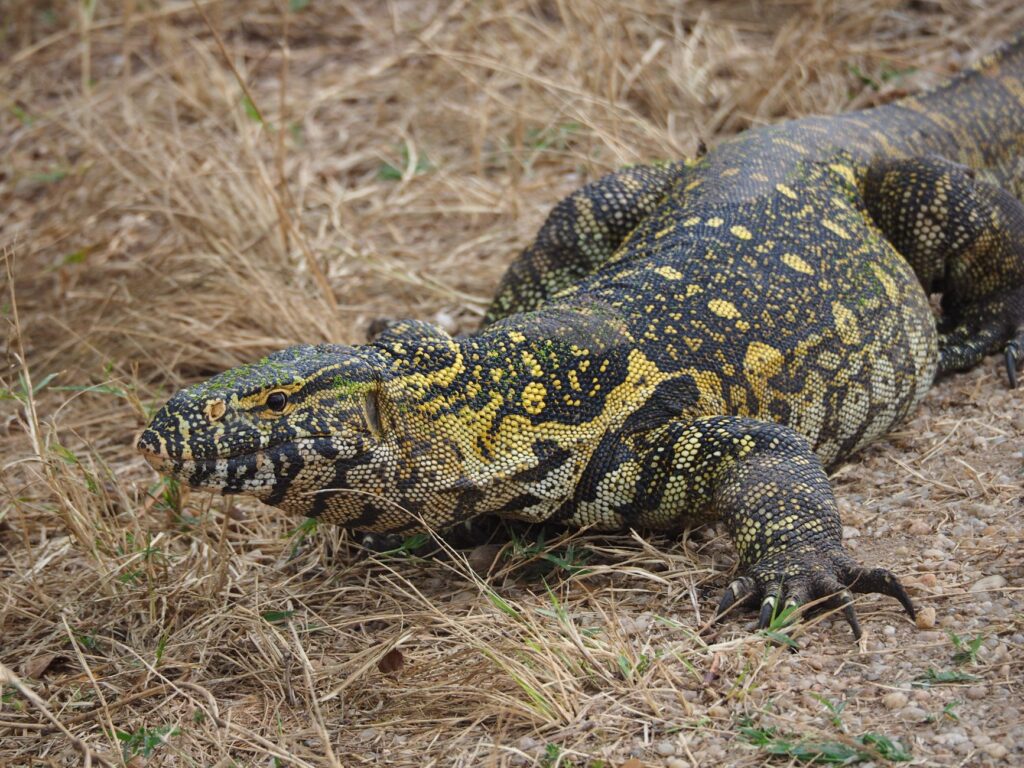

Introduction to the Nile Monitor Issue
A growing ecological concern has emerged in the state of Florida regarding the presence of non-native reptile populations. Specifically, an established colony of Nile monitors located in the Cape Coral area has captured the attention of wildlife management experts. These large lizards are not native to the region and have steadily grown in numbers over recent decades.
Origins and Arrival in Florida
The presence of Nile monitors in the region dates back to the 1990s. Conservation experts believe these animals were likely introduced to the local ecosystem through the exotic pet trade. Some individuals either escaped or were intentionally released into the wild by owners who could no longer care for them. Due to Florida’s warm climate and suitable wetland habitats, these reptiles found a welcoming environment where they could survive and reproduce.
Threats to Native Wildlife
The expansion of this invasive species presents a serious danger to several indigenous animal populations. Researchers and environmentalists warn that these formidable predators may prey upon a variety of vulnerable native species. Among the most concerning potential victims are burrowing owls, sea turtles, and numerous species of wading birds.
Impact on Burrowing Owls
Burrowing owls are a treasured and protected species in many parts of Florida, particularly in urban and suburban landscapes like Cape Coral. Because these small owls nest in underground burrows, they are particularly susceptible to ground-dwelling predators. The introduction of large carnivorous lizards into their nesting grounds could drastically reduce local owl populations and hinder conservation efforts.
Risks to Sea Turtles and Wading Birds
In addition to burrowing owls, coastal and wetland ecosystems face significant risks. Sea turtles nesting on sandy beaches could see their nests raided by these opportunistic predators. Wading birds that inhabit the local wetlands and shorelines also share their habitat with the monitors, placing their eggs and nestlings in jeopardy.
Ongoing Management and Future Outlook
Managing the spread of Nile monitors remains a complex challenge for local authorities and wildlife agencies. Efforts to monitor sightings and safely capture these reptiles are ongoing to protect fragile ecosystems. Public awareness and prompt reporting of sightings continue to play a crucial role in mitigating the impact of these invasive predators on Florida’s diverse natural heritage.