
The Rise of Exotic Pets in Mid Century America
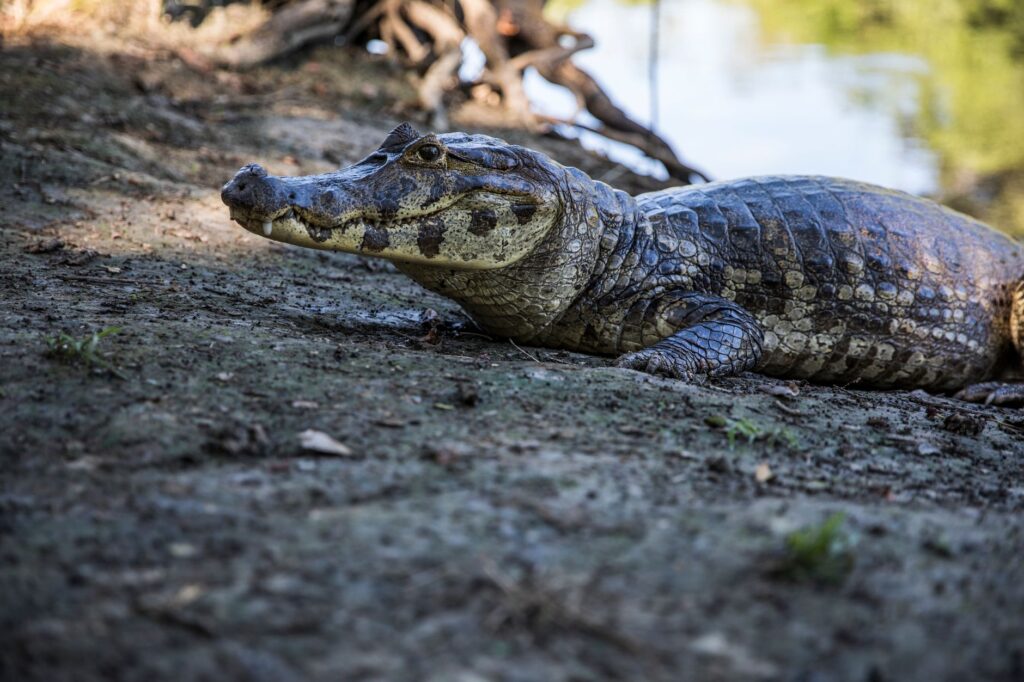
During the 1950s, the United States pet trade experienced a significant shift toward exotic animals. Among the various species brought into the country were baby caimans, small crocodilians native to Central and South America. These reptiles were frequently sold in pet stores to unsuspecting buyers who were often unaware of how large and aggressive the animals would eventually grow.
As these exotic pets outgrew their enclosures or proved too difficult to manage, many owners made the fateful decision to release them into the wild. Because of Florida warm climate and vast wetland ecosystems, the state became a prime location for these abandoned reptiles to survive and eventually thrive.
Establishing Populations in the Everglades
Decades after the initial waves of pet releases, researchers and wildlife officials have documented the presence of caimans in the Florida Everglades. This unique wetland environment provides abundant food sources and favorable breeding conditions, allowing the foreign species to maintain a foothold.
The introduction of non-native predators into fragile ecosystems always raises serious ecological concerns. Conservationists worry that these reptiles might establish permanent, self-sustaining breeding populations that could disrupt the natural balance of the region.
Assessing the Threat to Native Wildlife
The primary concern surrounding the presence of caimans in Florida is direct competition with native species. The American alligator, a staple of the Everglades ecosystem, shares a similar ecological niche and dietary preferences with the caiman.
Scientists and wildlife biologists are actively evaluating the risks these foreign reptiles pose to native fauna. While alligators are generally larger and dominant, an influx of competing predators can still strain local resources and disrupt native breeding behaviors and food webs.
Decade Long Removal Efforts
Recognizing the potential danger of invasive species, wildlife management agencies have taken active steps to monitor and control the situation. Over a dedicated ten-year period, conservation teams and removal specialists successfully captured and removed 251 caimans from the affected wetland areas.
These targeted removal operations require significant resources, specialized expertise, and continuous monitoring. Wildlife experts rely on public reporting, night surveys, and habitat tracking to locate and extract the animals before they can multiply further.
Looking Forward in Wetland Conservation
The ongoing challenge with caimans highlights the broader issue of exotic pet dumping in the United States. Environmental protection agencies continue to emphasize the importance of responsible pet ownership and strict regulations on the importation of potentially dangerous animals.
Protecting the Florida Everglades requires constant vigilance against invasive species. Through sustained research, dedicated removal programs, and community awareness, wildlife officials hope to safeguard the future of native ecosystems and prevent foreign predators from taking over.