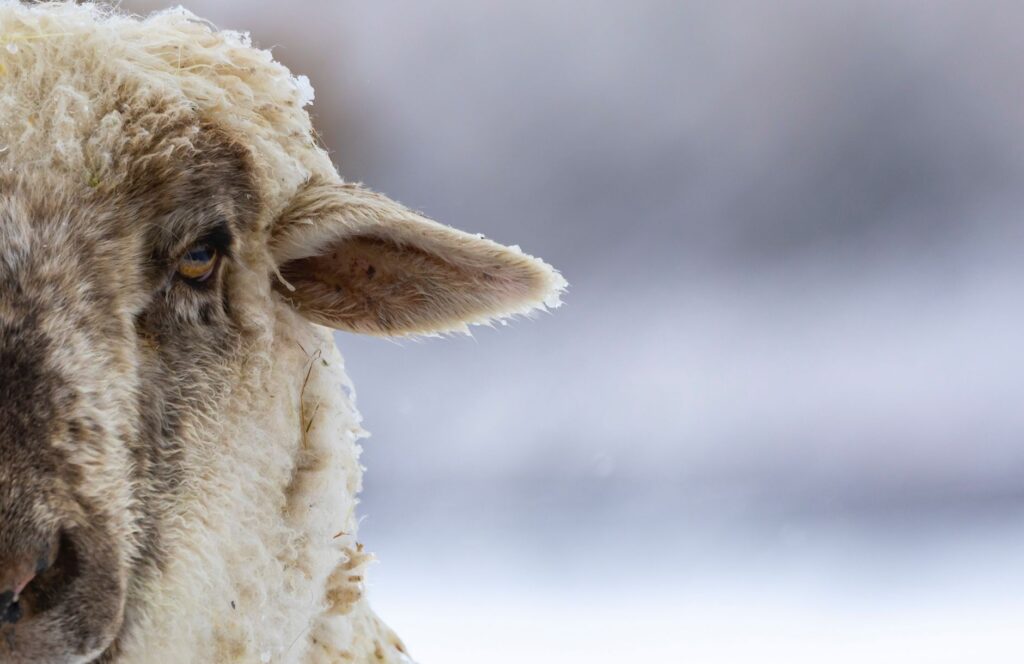

Introduction to the Aoudad Introduction
During the mid-twentieth century, wildlife managers and hunting enthusiasts looked to foreign landscapes to enrich the local fauna available for sport. In 1957, this philosophy led to a significant ecological experiment in the American Southwest. Aoudad sheep, native to the rugged terrain of North Africa, were imported and released into the wild expanses of Texas.
The original objective was straightforward. Conservationists and hunters hoped these hardy animals would thrive in the arid climate and establish a sustainable population that could offer unique sporting opportunities. Because these mammals are exceptionally agile and capable of surviving in harsh, rocky environments, they quickly adapted to their new home.
Rapid Geographic Expansion
Following their initial introduction, the exotic ungulates did far more than simply survive; they flourished. Without the natural predators that kept their populations in check in their native African habitats, the aoudad began to multiply and expand their territory across various regions of Texas.
Over the subsequent decades, herds moved across vast stretches of land, establishing permanent populations in hilly and mountainous terrains. Their remarkable resilience allowed them to outmaneuver many other species when it came to utilizing scarce resources in dry landscapes. As their numbers grew, sightings of these non-native mammals became increasingly common far beyond their original release sites.
Competition with Native Bighorn Sheep
While the expansion was viewed positively by hunting communities, it sparked growing concern among conservationists and biologists. The primary issue stems from the ecological overlap between the introduced aoudad and the native desert bighorn sheep that also inhabit the region.
Both species rely on similar food sources, including grasses, shrubs, and other arid-land vegetation. Because aoudad are generally robust and highly adaptable, they frequently outcompete the native bighorn for vital nourishment. Furthermore, these foreign animals compete for essential habitat space, including rocky outcroppings and water sources crucial for survival in the desert.
Ongoing Ecological Challenges
Today, wildlife management agencies face complex challenges in balancing recreational hunting interests with the urgent need to protect native biodiversity. The presence of aoudad in sensitive ecosystems creates persistent management dilemmas.
Efforts to monitor and control the population continue as scientists study the long-term impacts of this historical introduction. Protecting the vulnerable native bighorn sheep from displacement remains a top priority for wildlife preservation advocates working to maintain the natural ecological balance of the region.