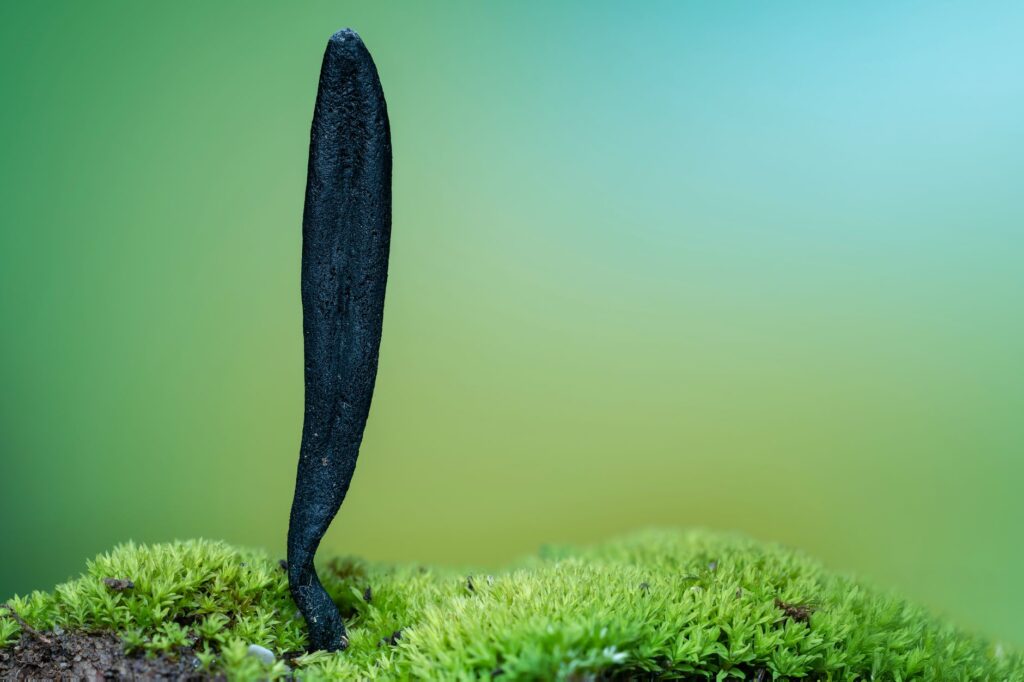

Introduction To The Lunar Fungus Experiment
Space exploration presents numerous biological challenges that scientists must understand before embarking on long-term human missions. During the historic Artemis I mission in 2022, space agency researchers conducted a unique biological experiment involving microscopic organisms. Instead of standard payloads, the flight carried a resilient black mold along with three distinct mutant strains into deep space. This journey around the Moon marked a significant step in understanding how terrestrial life adapts to the harsh conditions of lunar orbit.
Flight Details And Duration
The Artemis I mission served as an uncrewed test flight that paved the way for future human exploration of the Moon and beyond. During its twenty-five day journey, the spacecraft carried the fungal samples through intense radiation environments outside of Earth’s protective magnetic field. Space agency officials monitored the biological payload closely as it endured the rigorous demands of deep space travel. The extended duration of the flight provided an ideal testing window for observing cellular changes in organisms subjected to cosmic forces.
Investigating DNA Repair And Melanin
The primary objective of sending these specific fungal strains into space centered on evaluating how they handle radiation stress. Researchers specifically focused on the properties of melanin and DNA repair mechanisms within the organisms. Black mold is known for its ability to survive in extreme environments on Earth, making it an ideal candidate for astrobiological studies. By analyzing the biological responses after returning to Earth, scientists hoped to gain valuable insights into how living tissue might protect itself against cosmic rays during interplanetary travel.
Results And Scientific Evaluation
Following the successful completion of the twenty-five day flight, the spacecraft returned to Earth for comprehensive laboratory analysis. The scientific team evaluated the condition of all twenty samples that had orbited the Moon. According to official mission summaries, every single sample successfully grew during the journey. Because of this complete growth across all specimens, the research team rated the overall experiment as an absolute success.
Implications For Future Space Exploration
Understanding how resilient organisms withstand deep space environments has major implications for future crewed missions. As space agencies plan prolonged stays on the lunar surface and eventual journeys to Mars, protecting astronauts from radiation remains a top priority. Insights gathered from studying melanin-rich fungi in lunar orbit could eventually lead to better shielding materials and protective technologies. The success of this unusual lunar payload highlights the importance of biological research in advancing human spaceflight capabilities.