
Understanding Aviation Safety Investigations
When an aviation disaster occurs, understanding the exact chain of events becomes a critical priority for transportation authorities. The primary objective of an official accident investigation board is to carefully identify the circumstances and underlying causes of an incident. By conducting a thorough analysis, investigators can formulate actionable safety recommendations designed to prevent similar occurrences in the future. This systematic approach ensures that every mishap contributes to the collective knowledge and safety of global civil aviation.
The Initial Response Phase
Immediately following an aviation emergency, the response mechanism activates swiftly. Teams are dispatched to secure the accident scene and protect critical evidence from environmental degradation or human interference. Preservation of the site is vital for gathering accurate physical data. Investigators document the position of wreckage, search for scattered components, and secure initial witness statements. This meticulous groundwork lays the foundation for a successful technical inquiry.
Retrieving and Analyzing Flight Data
Central to any major aviation probe is the recovery of onboard recording devices, commonly known as the flight data recorder and the cockpit voice recorder. These units withstand extreme impacts and fires, preserving vital technical parameters and audio conversations from the final moments of the flight. Specialized laboratory technicians extract this information to reconstruct the timeline of events. Analyzing engine performance, control inputs, and crew communications helps experts understand the operational state of the aircraft before the event.
Examining Technical and Environmental Factors
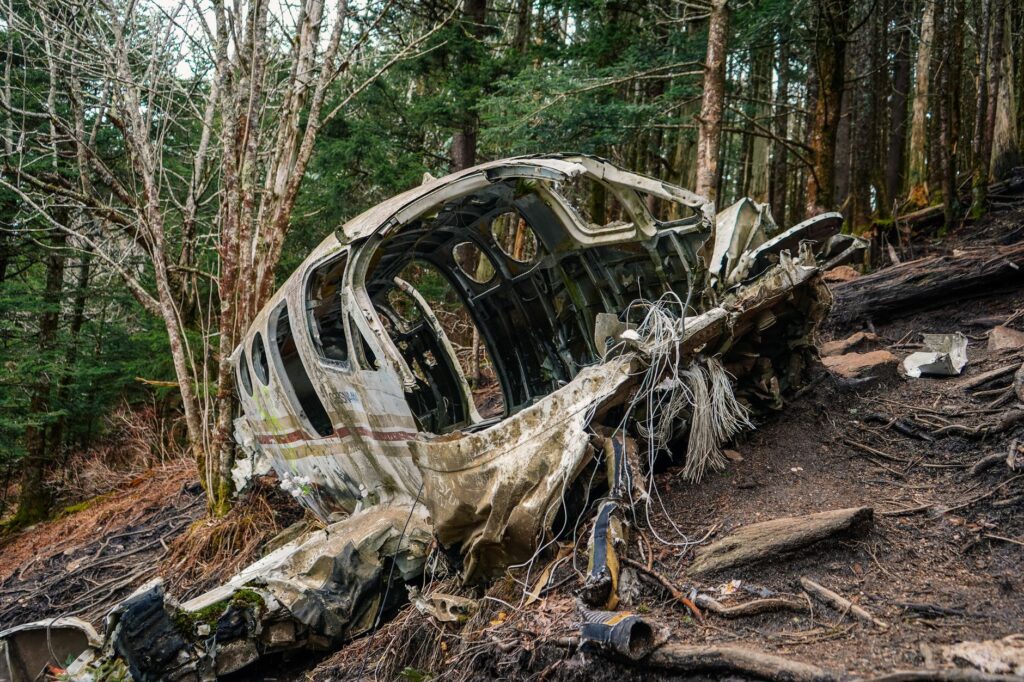
Beyond digital data, investigators conduct detailed physical examinations of the aircraft wreckage. Metallurgical and structural analyses help determine if mechanical failures or material fatigue played a role in the incident. Simultaneously, meteorologists evaluate the weather conditions present at the time of the flight. Wind patterns, visibility, and precipitation records are cross-referenced with flight logs to assess how environmental factors might have influenced the operation.
Evaluating Human Performance and Operational Procedures
An exhaustive safety probe always examines human factors and operational protocols. Investigators review pilot training records, medical histories, and crew scheduling to identify potential fatigue or stress elements. They also assess airline maintenance procedures, air traffic control communications, and regulatory compliance. Understanding the interactions between the flight crew, machine, and operating environment provides a comprehensive picture of the complex system dynamics leading up to the accident.
Formulating Safety Recommendations
Once all evidence is gathered, tested, and analyzed, the investigative body compiles its findings into a formal report. This document outlines the sequence of events and determines the probable causes. Most importantly, the report details specific safety recommendations addressed to regulatory agencies, aircraft manufacturers, and airline operators. These proactive measures drive mandatory design changes, procedural updates, and training enhancements, ultimately safeguarding the future of commercial and private aviation.