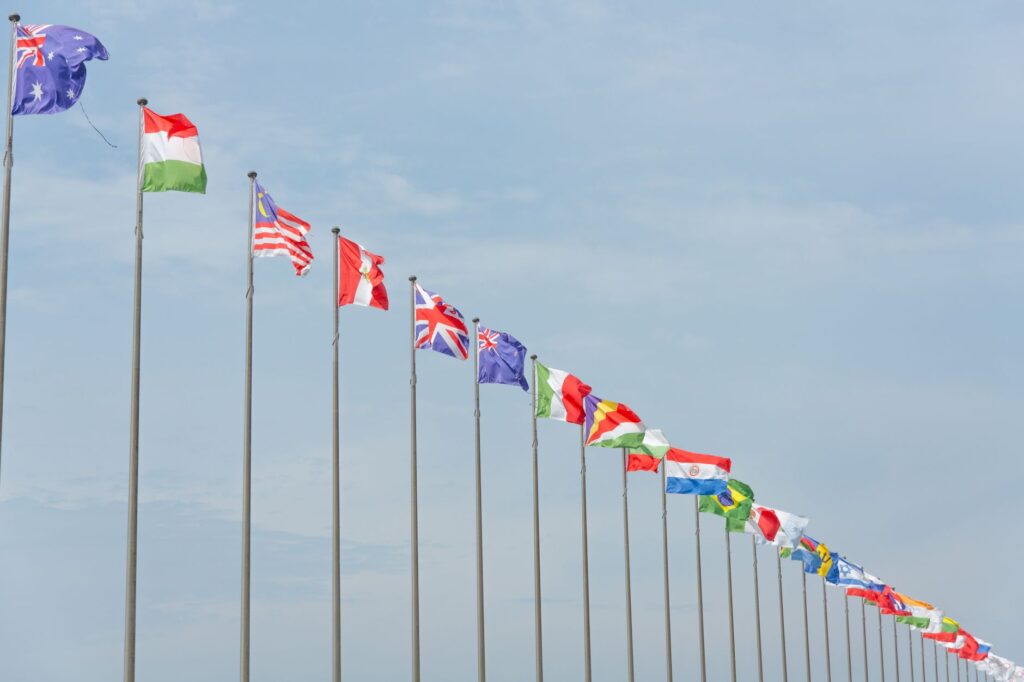

External Affairs Minister S Jaishankar addressed the global community during the G20 meetings with a firm message regarding ongoing international conflicts. He asserted that military actions have proven ineffective at resolving deep-seated geopolitical disputes. Instead of escalating hostilities, global leaders must prioritize diplomatic engagement and dialogue to secure lasting peace.
Introduction to Global Challenges
The contemporary international landscape is marked by severe friction points and protracted conflicts. Nations increasingly rely on defense mechanisms and strategic combat readiness. However, these aggressive postures frequently fail to produce stable political outcomes. The reliance on force often deepens animosities rather than bridging divides.
The Limits of Military Force
Throughout history, force has been deployed to compel adversaries into submission. In the modern era, interconnected economies and complex political ecosystems render traditional military victories elusive. Combat operations cause immense human suffering and economic devastation without guaranteeing long-term security. The minister highlighted that military interventions consistently fall short of creating stable sovereign environments.
The Case for Dialogue and Negotiation
Diplomacy offers a constructive alternative to endless warfare. Meaningful talks allow conflicting parties to address grievances, establish trust, and negotiate mutually acceptable terms. The G20 platform serves as a vital arena for world powers to redirect their energies from combat preparation to diplomatic resolution.
Multilateral Cooperation in Crisis
Addressing global crises requires collective responsibility. No single nation can unilaterally impose peace through strength. Multilateral institutions must foster environments where open communication can take place without preconditions. Collaborative approaches ensure that diverse perspectives are heard and respected.
Economic Implications of Prolonged Conflict
Armed conflict exerts a heavy toll on the global economy. Supply chains fracture, energy prices fluctuate wildly, and development funds are diverted toward defense budgets. Shifting toward diplomatic solutions helps stabilize markets and allows nations to invest in human development, infrastructure, and poverty eradication.
A Call to Action for World Leaders
The appeal at the G20 serves as a reminder to the international community. Leaders must possess the political courage to step away from the battlefield and sit at the negotiating table. Diplomacy requires patience, compromise, and a genuine willingness to understand opposing viewpoints.
Conclusion
The path forward requires a fundamental shift in mindset. As military options continue to demonstrate their inadequacy, the global focus must pivot toward diplomatic frameworks. Sustained peace can only be achieved when nations choose dialogue over destruction.