
Introduction to the Forest Conflict
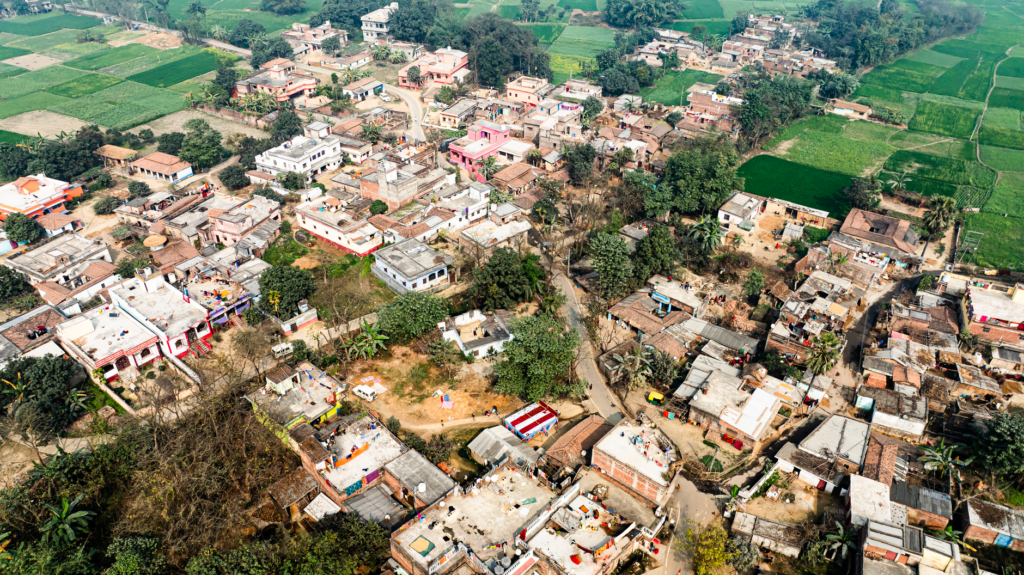
Rural communities often find themselves at the center of large-scale development projects designed to supply resources to urban areas. When state authorities initiated plans that threatened local ecosystems, residents from five distinct settlements realized their entire way of life was in jeopardy. These forests were not merely collections of trees; they served as the primary source of income, nutrition, and cultural heritage for generations of families who managed the land sustainably.
The Threat to Local Livelihoods
The planned intervention aimed to clear vast tracts of woodland to fuel infrastructure and power generation elsewhere. For the villagers, this meant the immediate destruction of their daily economic survival. Gathering minor forest produce, sustainable grazing, and agriculture dependent on local microclimates formed the bedrock of their economy. Losing these resources would force displacement and severe poverty upon populations that had thrived in harmony with nature for centuries.
Organizing Resistance
Facing imminent displacement and environmental degradation, community leaders from all five settlements convened emergency gatherings. Despite historical differences, residents recognized the necessity of a unified front. They formed committees to strategize peaceful protests, legal interventions, and physical blockades to halt incoming machinery and survey teams. Elders shared knowledge of past land struggles, while younger members mobilized support through grassroots networks.
Confronting the Authorities
As heavy equipment and government officials approached the boundaries, determined residents established human chains along access routes. The atmosphere remained tense yet resolute as villagers demanded dialogue and transparency regarding the environmental impact assessments. Protesters argued that energy generation for distant populations should not come at the total devastation of marginalized rural habitats. The peaceful yet firm resistance effectively stalled initial operations, catching project planners off guard.
Legal Battles and Advocacy
Simultaneously, legal representatives working on behalf of the communities filed petitions in higher judicial forums. They highlighted procedural lapses in the approval process and violations of indigenous land rights. By bringing national attention to their plight, the villagers garnered solidarity from environmental activists and civil rights organizations across the country. Public scrutiny forced authorities to reevaluate the scope and necessity of the project.
Lessons in Community Resilience
The ongoing struggle of these five villages highlights the critical importance of grassroots environmentalism and indigenous rights. Their collective action demonstrates that local populations can successfully challenge top-down developmental mandates when their survival is threatened. As negotiations continue, the communities remain vigilant, guarding their forests and setting a powerful precedent for rural resistance nationwide.