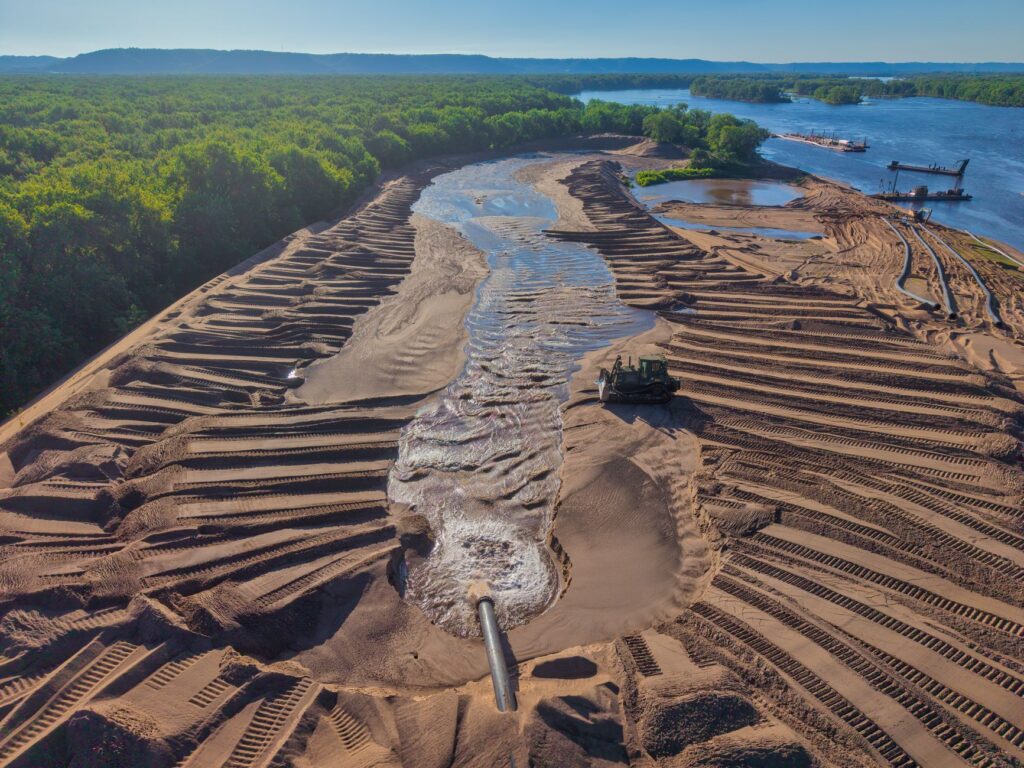

Understanding the New Dredging Framework
Federal authorities have introduced updated directives that permit systematic river dredging within wooded regions. The primary goal of this policy shift is to control recurring floods and rehabilitate vital river habitats. Under the revised framework, these essential maintenance projects will not be classified as commercial or non-forest operations. Consequently, qualifying initiatives are granted exemptions from traditional bureaucratic hurdles such as formal forest clearance applications, compensatory tree planting mandates, and net present value fees.
The Purpose of Ecological Restoration
Rivers flowing through dense canopy zones often accumulate heavy silt and sediment over time. This natural buildup restricts water flow capacity, significantly increasing the risk of overflow during heavy precipitation seasons. By implementing planned excavation strategies, authorities can restore natural drainage channels. This approach helps protect nearby communities from disaster while simultaneously improving the overall health of aquatic ecosystems.
Streamlining Administrative Approvals
Previously, undertaking excavation work inside protected or dense vegetation zones required extensive administrative reviews. Project proponents had to navigate complex approval processes that often delayed critical flood mitigation efforts. The latest policy removes these procedural bottlenecks for approved projects. By waiving compensatory afforestation requirements and financial levies for eligible schemes, the administration aims to fast-track essential water management interventions.
Balancing Conservation and Safety
While the new directives provide exemptions from certain regulatory burdens, the framework emphasizes scientific planning. Dredging activities must be executed carefully to ensure that local flora and fauna experience minimal disruption. Experts stress that balancing ecological preservation with proactive disaster management is crucial for sustainable development. These updated rules represent a strategic effort to safeguard human settlements and infrastructure without compromising environmental integrity.