
The United States and Iran engaged in their most intense military confrontation in weeks overnight, launching retaliatory airstrikes and ballistic missiles across key locations in the Middle East. The sudden escalation, which saw U.S. forces strike approximately 90 targets and Iran respond with ballistic missiles and drones, has immediately disrupted global energy markets and sent retail gasoline prices climbing. This sharp military flare-up abruptly halts a brief period of diplomatic maneuvering initiated three weeks ago.
Deepening Tensions in the Middle East
The overnight clashes mark a violent collapse of the fragile diplomatic track established when President Donald Trump initiated talks earlier this month. Military officials confirmed that the temporary pause in hostilities ended abruptly as both nations mobilized heavy assets in the region. The swift transition from high-level diplomatic signaling to direct kinetic engagement underscores the volatile nature of the current geopolitical landscape.
Regional security experts note that the speed of the escalation caught many international observers off guard. While diplomatic channels remained open behind the scenes, tactical movements on the ground suggested that both sides were preparing for potential friction. The sudden breakdown of the three-week-old detente highlights the deep-seated mistrust that continues to define U.S.-Iran relations.
Overnight Strikes and Military Responses
According to reports from the Pentagon, U.S. military aircraft targeted command and control nodes, ammunition depots, and logistics hubs linked to Iranian-aligned militias overnight. The precision strikes aimed to degrade the offensive capabilities of these groups following a series of regional provocations. Defense officials stated that the operations successfully neutralized several high-priority targets across multiple installations.
In rapid retaliation, Iran launched a coordinated barrage of precision-guided ballistic missiles and explosive drones targeting U.S. military bases and strategic assets in the region. Air defense systems deployed at U.S. installations intercepted several incoming threats, preventing widespread casualties, though damage assessments are still underway. The scale of the Iranian response indicates a high state of military readiness and a willingness to engage directly rather than relying solely on proxy forces.
Energy Markets React to Geopolitical Instability
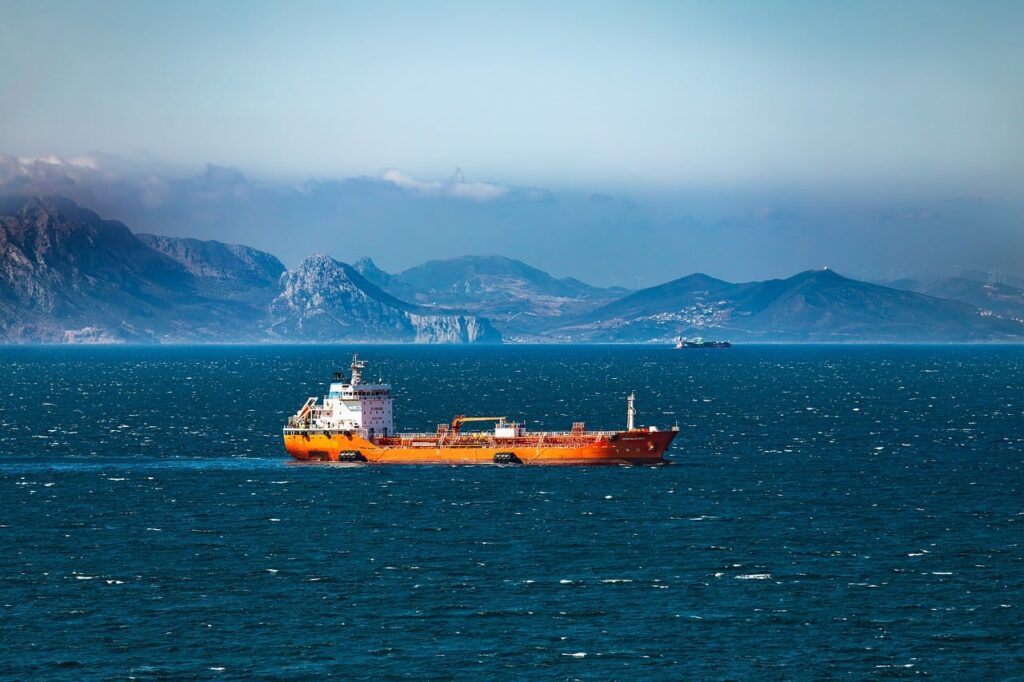
The military escalation immediately reverberated through global energy markets, raising fears of supply disruptions in critical maritime corridors, including the Strait of Hormuz. Brent crude futures jumped by over three percent within hours of the initial strikes, directly influencing wholesale fuel costs. Energy analysts warn that sustained conflict could push retail gasoline prices significantly higher in the coming weeks, impacting consumers globally.
The Strait of Hormuz remains the world’s most important oil transit chokepoint, with one-fifth of the global oil supply passing through its waters daily. Any threat of military action or blockades in this narrow passage historically triggers rapid spikes in global oil prices. Financial institutions are already adjusting their short-term oil price forecasts upward to account for the heightened geopolitical risk premium.
Analysts Warn of Escalation Risks
“The sudden shift from diplomatic engagement to direct military exchange creates a highly unpredictable environment for global markets,” said Sarah Vance, a senior energy analyst at the Global Security Institute. Vance noted that market volatility is likely to persist as long as the threat of further retaliatory strikes remains high. Historical data suggests that even minor disruptions in Middle Eastern transit corridors can have immediate, compounding effects on domestic consumer prices.
Economists project that if the conflict persists, average U.S. gasoline prices could rise by fifteen to twenty cents per gallon in the near term. This potential increase comes at a sensitive time for the domestic economy, where inflation concerns remain a primary focus for policymakers. High energy costs could complicate efforts to stabilize broader economic growth and curb consumer inflation.
Strategic Outlook and Market Implications
For global industries, the escalation threatens to complicate supply chains and increase shipping insurance premiums for vessels operating in the Middle East. International diplomats are currently urging both Washington and Tehran to exercise restraint to prevent a wider regional conflict that could draw in other nations. The United Nations Security Council is expected to convene an emergency session to address the rising hostilities and explore potential de-escalation pathways.
In the coming days, market observers will closely monitor diplomatic channels for signs of a ceasefire or further military mobilization. The critical factor to watch will be whether Iran or the U.S. initiates another round of retaliatory strikes, which could solidify the upward trend in global energy costs. Investors and consumers alike must prepare for a period of heightened volatility as the geopolitical landscape remains highly fluid.