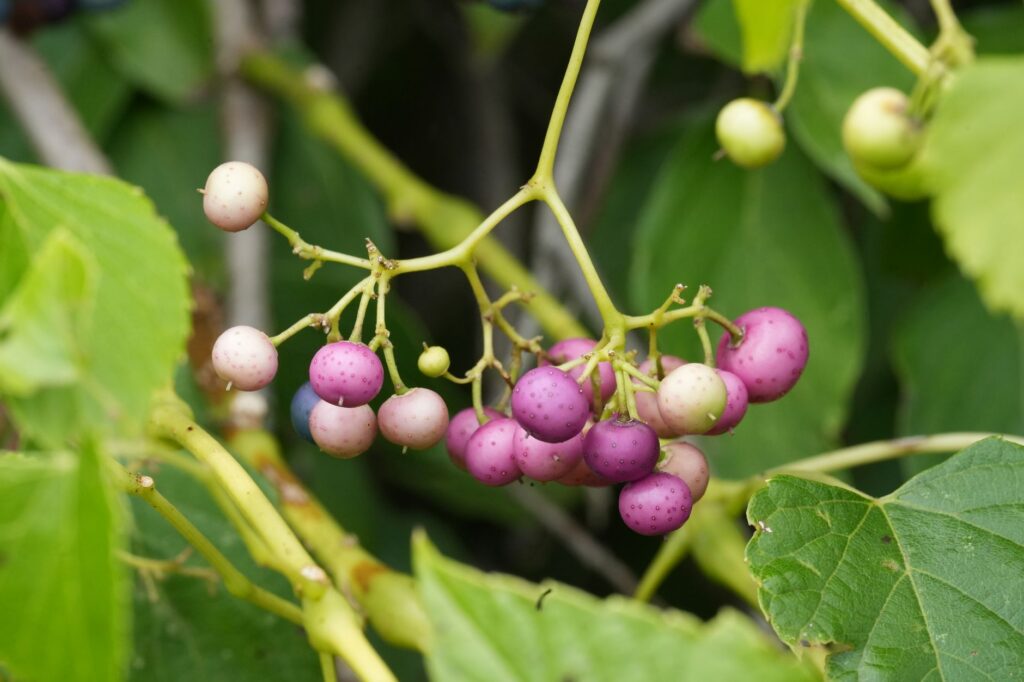

Introduction to the Porcelain Berry Vine
The landscape of the eastern United States features a wide array of plant life, but not all of it belongs there naturally. Over the centuries, numerous flora species have been introduced from other parts of the world for ornamental purposes in gardens and landscaping projects. While many of these foreign plants remained contained within cultivated areas, others escaped into the wild with significant consequences.
One such species is the porcelain berry vine, a climbing plant native to parts of Asia. Initially appreciated for its colorful berries and lush foliage, this plant has transitioned from a welcome garden addition to a major environmental concern across various regions of the country.
Historical Introduction in the Nineteenth Century
The story of the porcelain berry in North America dates back to approximately 1870. During this period, horticulturists and gardeners frequently imported exotic plants from Asia and Europe to diversify domestic gardens. The porcelain berry was specifically brought over as a decorative garden fruit, prized for its unique aesthetic appeal.
For a time, the vine remained where it was planted, serving its purpose in managed landscapes. However, the biological traits that made it a successful grower in its native habitats also enabled it to thrive unexpectedly in its new North American environment.
Ecological Spread and Wildlife Dispersal
Plants often rely on natural vectors to expand their geographical reach, and the porcelain berry found highly efficient distributors in local wildlife. Birds consumed the colorful berries produced by the vines and subsequently excreted the seeds across wide areas as they flew.
This natural dispersal mechanism allowed the plant to move far beyond the boundaries of original suburban and urban gardens. The seeds found favorable conditions in disturbed soils, particularly along the edges of forests, roadways, and abandoned lots, where sunlight was abundant.
Impact on Native Plant Communities
As the porcelain berry established itself in these transitional zones, it began to interact aggressively with native flora. The vine possesses an exceptionally rapid growth rate, allowing it to climb vigorously over existing vegetation.
By blanketing shrubs and trees, the dense foliage of the porcelain berry blocks essential sunlight from reaching the plants underneath. This canopy of vines effectively smothers native species, disrupting local ecosystems and reducing biodiversity along eastern forest edges.
Ongoing Challenges in Conservation
Managing the spread of the porcelain berry has proven to be a persistent challenge for land managers, conservationists, and property owners. The vine’s robust root system and prolific seed production make eradication efforts difficult once the plant is firmly established.
Addressing this ecological issue requires ongoing monitoring and targeted removal strategies to protect vulnerable native habitats from further decline. Understanding the history of the porcelain berry highlights the delicate balance of ecosystems and the long-term impacts of introducing non-native species.