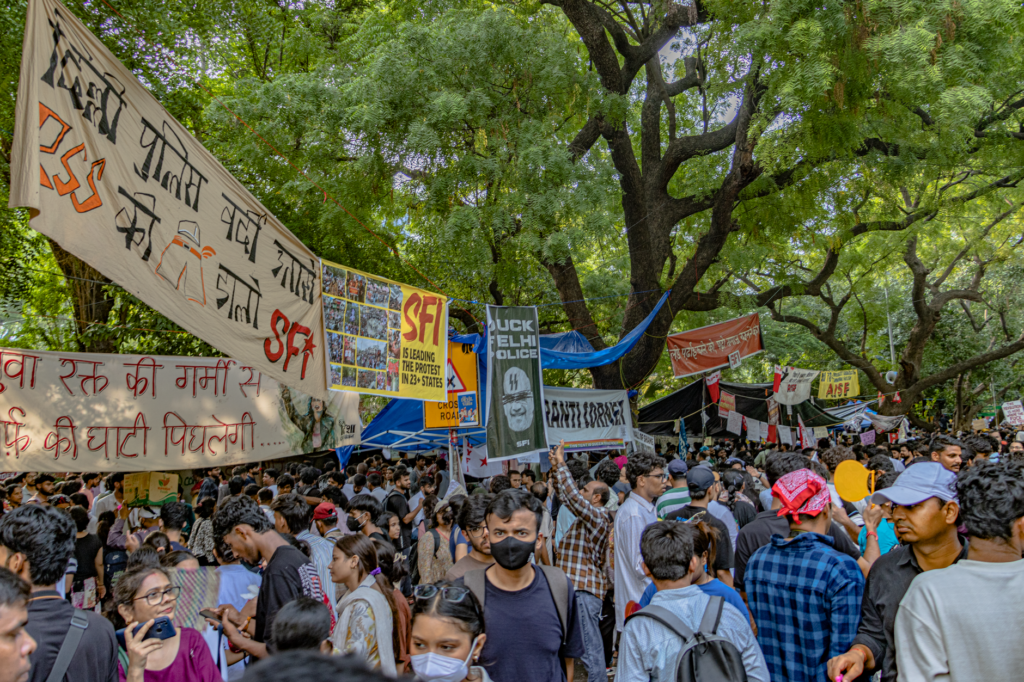

Political tensions have reached new heights in the national capital as leaders from various opposition factions united under the banner of the INDIA bloc to stage a massive protest march. The demonstration, directed toward the historic Ramlila Maidan, serves as a direct challenge to the current leadership of the election oversight body. Prominent opposition figures have made it clear that their agitation will persist until the Chief Election Commissioner steps down from his post.
The march drew significant attention from political analysts and the public alike, showcasing a rare display of solidarity among diverse opposition parties. Leaders from multiple regional and national platforms walked side by side, addressing supporters and reiterating their grievances regarding the administration of recent electoral processes. The atmosphere at the venue was charged with fiery speeches and fervent calls for systemic accountability.
Background of the Protest
The genesis of this large-scale demonstration lies in growing discontent among opposition ranks regarding the perceived impartiality of the election administration. Critics have raised numerous concerns about procedural transparency and the handling of crucial electoral events. These grievances culminated in the decision to mobilize party workers and citizens for a centralized show of strength in the heart of Delhi.
Opposition strategists emphasized that the peaceful march is designed to send an unequivocal message to the ruling administration. By gathering at a venue historically significant for mass movements, the coalition hopes to reignite public discourse surrounding democratic institutions and their operational independence. The demand for leadership change at the top of the election commission has become the unifying focal point for the disparate parties involved.
Key Leaders Take the Stage
A host of senior political personalities addressed the gathering, lending considerable weight to the day’s events. Figures representing major national parties, alongside influential regional leaders, took turns criticizing the current trajectory of democratic oversight in the country. Their speeches focused heavily on the need to protect constitutional integrity and ensure that electoral bodies function without external influence.
The assembled crowd responded enthusiastically to the rhetoric, waving party flags and chanting slogans in unison. The presence of high-profile leaders underscored the gravity of the protest, transforming a localized rally into a national political statement. Each speaker reinforced the central theme of the day, vowing to maintain political pressure until their demands are formally addressed.
Implications for National Politics
This coordinated opposition campaign marks a notable shift in strategy, signaling a return to street-level mobilization. As political parties gear up for future electoral battles, public demonstrations of this scale are likely to influence the broader political narrative. The insistence on accountability within independent institutions resonates strongly with core opposition supporters.
Observers note that the ongoing standoff could lead to heightened friction between the government and the opposition in upcoming legislative sessions. As the coalition continues its crusade, the focus remains firmly on the response from institutional authorities. Whether this pressure will yield tangible administrative changes remains to be seen, but the political momentum generated by the march is undeniable.