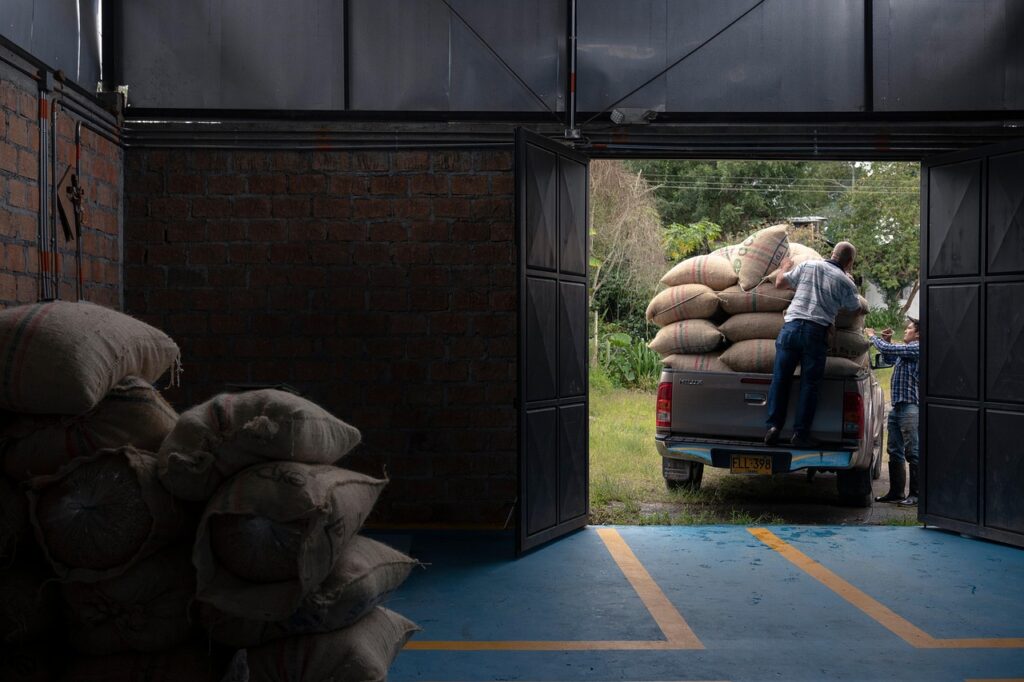

Congress President Mallikarjun Kharge launched a sharp attack on the Bharatiya Janata Party (BJP) administration in Madhya Pradesh this week, alleging a massive Rs 1,200 crore corruption scandal. The opposition leader claimed that subsidized rice intended for malnourished children and pregnant women was illegally diverted to private ethanol plants. This high-profile accusation has triggered an official investigation and intensified political friction in the central Indian state.
Background of the Food Security Allocation
Under national food security initiatives, Madhya Pradesh receives heavily subsidized food grains to combat high rates of malnutrition among vulnerable populations. State agencies are responsible for distributing these essential supplies to local welfare centers and low-income families.
However, recent audits and whistleblower complaints suggest a significant portion of this grain never reached its intended beneficiaries. This alleged discrepancy has raised serious concerns about administrative oversight and the integrity of the state’s public distribution system.
The national policy allowing the diversion of surplus food grains for biofuel production, introduced to reduce fuel import bills, is also under scrutiny. Critics argue that poor regulatory frameworks have allowed commercial entities to exploit loopholes at the expense of public nutrition.
The Mechanics of the Alleged Rs 1,200 Crore Diversion
The controversy centers on allegations that hundreds of thousands of metric tons of public rice were systematically diverted to commercial ethanol distilleries. Investigators are currently probing how administrative loopholes allowed private operators to acquire subsidized food grains.
The probe was initiated following a formal complaint detailing massive discrepancies between recorded grain dispatches and actual deliveries to local distribution centers. Preliminary reports suggest that transport vehicles carrying the grain bypassed welfare centers entirely, heading straight to industrial units.
Political tensions escalated rapidly as Kharge publicly accused the ruling party of prioritizing corporate profits over human survival. “The public’s rightful grain is being looted to enrich a select few,” Kharge stated, linking the grain diversion to broader governance failures in the state.
In addition to the grain scandal, the Congress party has raised questions regarding separate land allotment irregularities allegedly involving top state officials. These dual accusations have put the state leadership on the defensive as demands for accountability grow.
Systemic Vulnerabilities and Economic Impact
Food security experts warn that diverting grain from welfare schemes exacerbates existing nutritional crises in rural India. According to recent health surveys, Madhya Pradesh continues to battle high rates of stunting and wasting among children under five.
“Any disruption in the food supply chain directly impacts child mortality and maternal health metrics,” said Dr. Arvinder Singh, a public policy researcher specializing in rural development. Singh emphasized that welfare programs require watertight distribution channels to prevent commercial leakage.
Economists point out that the financial scale of the alleged scam highlights severe gaps in digital tracking systems designed to monitor grain movement. Despite the implementation of electronic tracking, physical audits continue to expose discrepancies between digital logs and actual inventory.
The state government has defended its record, stating that it maintains a zero-tolerance policy toward corruption. Officials have promised a thorough investigation, asserting that any individuals found guilty of diverting public resources will face strict legal action.
Regulatory Scrutiny and Future Outlook
The unfolding investigation is expected to pressure both state and federal regulatory bodies to tighten monitoring protocols for grain-to-ethanol conversion. Industry analysts suggest that the central government may face calls to review the subsidized grain allocation policies for biofuel production.
In the coming weeks, the state assembly is likely to witness stormy sessions as opposition lawmakers demand a high-level, independent inquiry. The political fallout could influence public trust ahead of upcoming local body elections in the region.
Observers will be watching whether the state government implements real-time GPS tracking and biometric verification at all stages of the supply chain. The resolution of this case will serve as a critical test for the state’s administrative accountability and its commitment to public welfare.