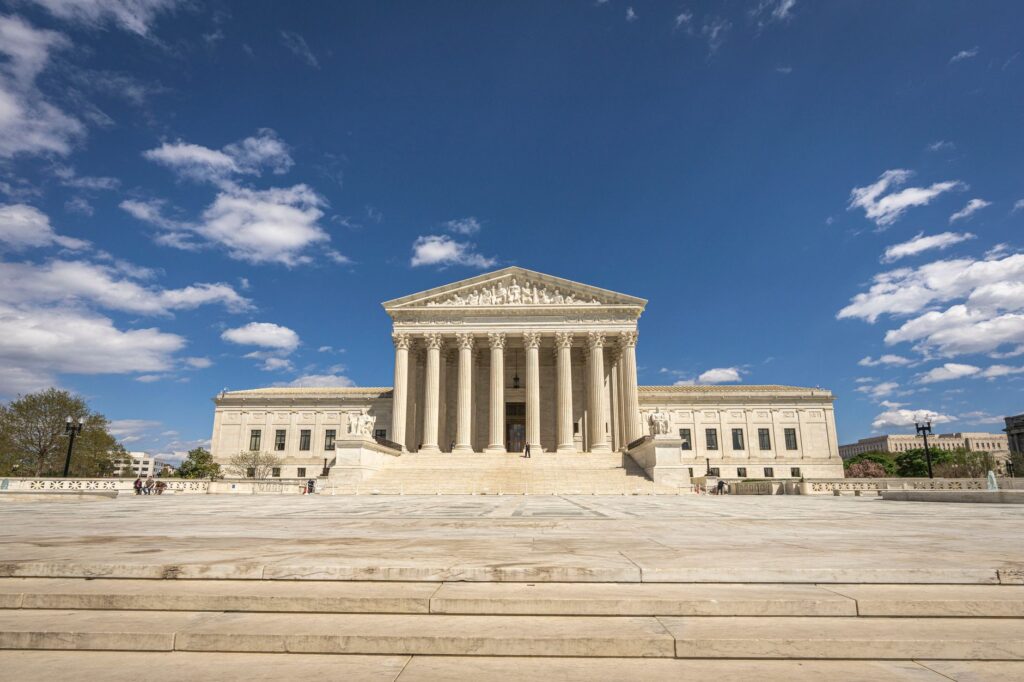

In a landmark intervention, the Supreme Court of India has overturned several rulings of the Gauhati High Court regarding foreigner status, declaring that citizenship is a fundamental right that must be decided through a fair, rigorous, and non-arbitrary process. Justices Vikram Nath and Sandeep Mehta ordered Assam’s Foreigners Tribunals to re-examine these cases, emphasizing that the state must balance border security with constitutional safeguards to prevent the wrongful disenfranchisement of genuine Indian citizens. The ruling, delivered in New Delhi, marks a critical shift in how the judiciary handles complex identity and residency disputes in India’s northeastern region.
Contextualizing Assam’s Citizenship Crisis
The issue of citizenship in the northeastern state of Assam has been a socio-political flashpoint for decades, driven by concerns over undocumented migration from neighboring Bangladesh. Under the Foreigners Act of 1946 and the unique National Register of Citizens (NRC) update process, individuals suspected of being undocumented migrants must prove their citizenship before quasi-judicial bodies known as Foreigners Tribunals. Over the years, human rights organizations and legal experts have criticized these tribunals for procedural lapses, high rates of ex-parte decisions, and placing an insurmountable burden of proof on impoverished and illiterate residents.
Historically, the Gauhati High Court has maintained a strict stance on citizenship verification, often upholding tribunal orders that declared individuals foreigners based on minor discrepancies in legacy data. The Supreme Court’s recent ruling directly challenges this approach, asserting that the gravity of stripping an individual of their nationality requires the highest standards of judicial scrutiny. By ordering a comprehensive re-examination of these cases, the apex court has signaled that administrative expediency cannot override constitutional rights.
The Supreme Court’s Mandate on Procedural Fairness
Justices Nath and Mehta noted that citizenship holds “significant constitutional weight” and cannot be stripped away through hasty or flawed administrative actions. The bench highlighted that while the state has a legitimate duty to safeguard its borders and prevent illegal immigration, it must not misuse its machinery to harass legitimate residents. The court emphasized that the state’s duty to safeguard against the misuse of citizenship assertions must be balanced with the protection of innocent citizens who may lack sophisticated documentation.
Legal analysts point out that the Gauhati High Court had previously upheld several tribunal orders that declared individuals foreigners based on minor clerical errors, such as spelling variations in names across generations or minor discrepancies in land records and voter lists. This Supreme Court intervention establishes a binding precedent that minor administrative anomalies cannot be the sole grounds for stripping a person of their citizenship. The ruling reinforces the principle that the burden of proof, while legally resting on the accused under Section 9 of the Foreigners Act, must be evaluated with empathy and contextual understanding.
Systemic Vulnerabilities and Legal Safeguards
Data from human rights watchdogs indicate that over 100 Foreigners Tribunals operate in Assam, having declared over 100,000 people as foreigners in recent years, many of whom have been sent to transit camps. Legal experts argue that the lack of standardized judicial training for tribunal members has contributed to inconsistent and often harsh rulings. The Supreme Court’s order for re-examination highlights the need for systemic reform within these quasi-judicial bodies to ensure they adhere to the principles of natural justice.
The apex court’s decision also addresses the issue of ex-parte orders, where individuals are declared foreigners in their absence. Often, these individuals are unable to attend hearings due to poverty, lack of communication, or displacement caused by seasonal floods. By demanding a fair process, the Supreme Court is pushing for a mechanism where suspected foreigners are given adequate opportunity and legal aid to present their cases before a final decision is made.
Future Implications for Citizenship Verification
This landmark decision is expected to trigger a wave of appeals and reviews across Assam’s legal landscape, forcing Foreigners Tribunals to adopt stricter evidentiary standards and more humane procedures. Legal advocacy groups have welcomed the ruling as a crucial shield for marginalized communities, particularly rural populations who frequently lack formal documentation. Moving forward, observers will watch how the Ministry of Home Affairs and the Assam state government adjust their verification processes to align with the Supreme Court’s mandate for procedural fairness.
The ruling also sets a critical legal benchmark for future citizenship-related litigations across India, especially amid ongoing debates over the Citizenship Amendment Act (CAA) and the proposed nationwide National Register of Citizens. By reinforcing that citizenship must be decided through a fair process, the Supreme Court has re-established the judiciary as a vital guardian of individual liberty against state overreach. Legal experts will closely monitor how the Foreigners Tribunals implement these guidelines in the coming months.