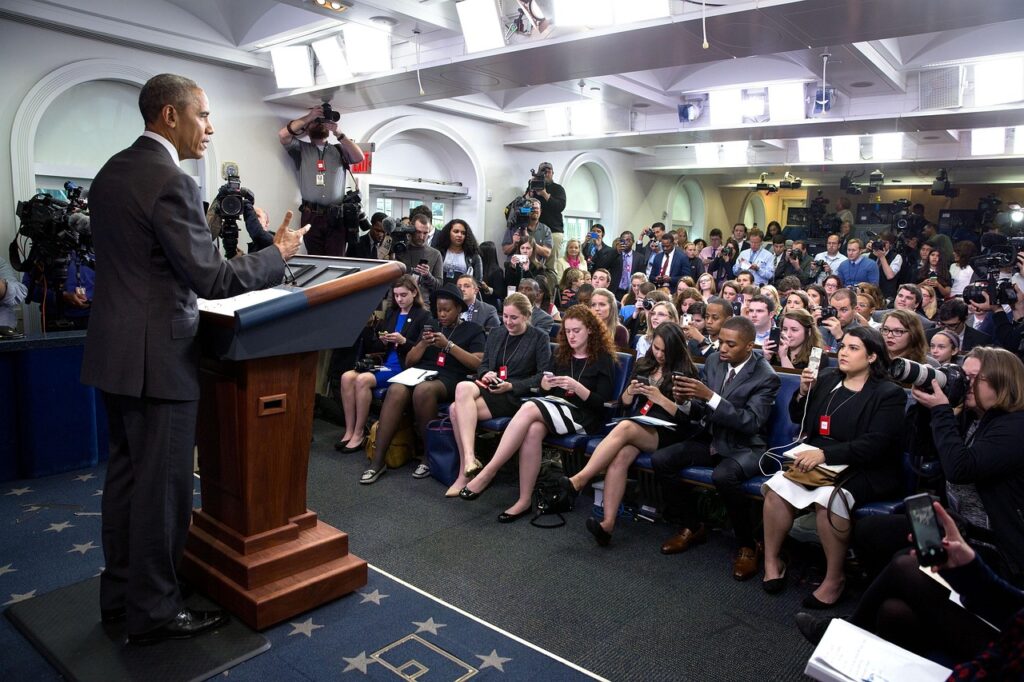

In a sharp escalation of political rhetoric in New Delhi, the ruling Bharatiya Janata Party (BJP) has demanded that Congress leader Rahul Gandhi publicly clarify the details of his recent travels abroad. The ruling party raised sharp questions on Wednesday regarding his exact destinations, the purpose of his visits, and the individuals he met during his undisclosed trips, framing the issue around national security and public accountability.
Addressing a crowded press conference at the party headquarters, BJP national spokespersons asserted that as a prominent Member of Parliament and a public figure, Gandhi owes the nation complete transparency. The opposition Congress party quickly dismissed the demands, labeling them as a malicious distraction from pressing domestic economic challenges, such as inflation and unemployment.
The Core of the Controversy
The latest confrontation stems from Rahul Gandhi’s frequent, often unannounced travels to foreign countries. The BJP has seized on these trips to question why a leader of his stature frequently travels abroad without publicizing his itinerary or the nature of his meetings.
BJP leaders argue that public representatives must maintain transparency, especially when visiting nations that may hold complex diplomatic relations with India. “Where did he go, and who did he meet?” asked a senior BJP spokesperson during the briefing, suggesting that undisclosed meetings could have implications for India’s foreign policy and national interests.
This is not the first time Gandhi’s foreign visits have drawn fire. Over the past decade, his travels to Europe, the United States, and Southeast Asia have consistently been used by the ruling party to portray him as an “intermittent politician” who lacks commitment to domestic governance.
National Security vs. Personal Privacy
The debate highlights a deeper clash between national security concerns and the right to personal privacy. The BJP contends that because Gandhi receives state-funded security and holds a diplomatic passport, his movements cannot be treated as entirely private matters.
Under existing Indian protocols, Members of Parliament are expected to inform the Ministry of External Affairs and the Ministry of Home Affairs before traveling abroad, particularly if they are under high-level security cover. The BJP alleges that Gandhi has repeatedly bypassed these standard advisory channels, leaving security agencies in the dark.
Conversely, the Congress party maintains that every citizen, including political leaders, has a fundamental right to privacy. Congress representatives argue that Gandhi’s personal trips do not require public accountability, accusing the ruling party of deploying state machinery to spy on and harass opposition leaders.
Political Strategy and Public Perception
Political analysts view this development as part of a calculated strategy by both sides ahead of crucial state assembly elections. By focusing on Gandhi’s foreign travels, the BJP aims to project the Congress leadership as disconnected from the daily struggles of the Indian electorate.
Data from recent electoral campaigns show that the BJP frequently utilizes nationalistic themes to consolidate its voter base. Framing an opposition leader’s foreign visits as potentially suspicious aligns with this broader communication strategy, casting the ruling party as the sole custodian of national security.
Meanwhile, the Congress party is attempting to pivot the public discourse back to local issues. Opposition strategists believe that the public is more concerned with agrarian distress, job creation, and public infrastructure than the travel schedules of political figures.
Legislative Framework on Leader Travels
The controversy also brings the legal and administrative guidelines governing the travel of Indian politicians under scrutiny. While there are strict guidelines for ministers traveling on official duty, the rules for ordinary Members of Parliament on personal trips are less rigid.
According to parliamentary conventions, MPs are requested to submit a prior intimation of their foreign visits to the Speaker of the Lok Sabha. However, legal experts point out that these guidelines are advisory rather than statutory, leaving room for interpretation and political exploitation by opposing factions.
Security experts suggest that the lack of a standardized, legally binding protocol for non-ministerial political travel often leads to these recurring controversies, which ultimately distract from substantive legislative debates in Parliament.
Future Outlook and Political Fallout
Moving forward, observers expect the BJP to intensify its demands for legislative reforms that would mandate stricter reporting requirements for all lawmakers traveling abroad. Such a move could lead to a highly contentious debate in the upcoming parliamentary session, further polarizing the treasury and opposition benches.
The public reaction to this narrative battle will likely manifest in the polling booths of upcoming state elections. If the BJP successfully convinces voters that undisclosed foreign trips pose a security risk, it could weaken the opposition’s momentum; conversely, if the public views the attack as political overreach, it may backfire on the ruling establishment.