
Introduction to the Delhi Air Quality Controversy
The political landscape in the national capital has heated up dramatically following serious allegations regarding environmental metrics. Political representatives have stepped forward to claim that official figures concerning pollution levels are being intentionally altered. This unfolding situation has brought the integrity of public administration under intense scrutiny, sparking widespread debate among citizens and officials alike.
At the center of this dispute are claims that the true severity of environmental conditions is not being accurately reflected in daily reports. Critics argue that public health is being compromised when accurate information is withheld or misrepresented. The ongoing exchange of accusations highlights a deepening divide over how environmental management and transparency are handled in the region.
Background of the Dispute
The conflict intensified after leaders from a prominent political faction came forward with assertions about how environmental statistics are gathered and published. According to these statements, repeated attempts to bring the matter to the attention of key decision-makers were met with inaction. Representatives asserted that officials sidestepped direct inquiries, choosing instead to ignore the warnings and formal grievances presented to them.
This lack of response fueled further frustration among critics, who maintain that transparency is vital for public safety. Environmental indicators guide daily routines, health advisories, and emergency measures. When trust in these metrics falters, the entire system designed to protect residents from hazardous conditions comes under question.
Demands for Legal Action
Frustrated by the perceived unwillingness of authorities to address the core issues, political figures have begun pushing for formal judicial intervention. The latest developments indicate a shift from mere verbal criticism to concrete legal steps. Proponents of these measures argue that accountability must be enforced through the judicial system to deter any future discrepancies in official reporting.
Legal experts suggest that building a case around administrative manipulation requires substantial documentation and verifiable proof. As the discussion moves toward the courts, public attention remains fixed on whether formal charges will materialize and how the accused officials will respond to the mounting pressure.
Public Health and Environmental Implications
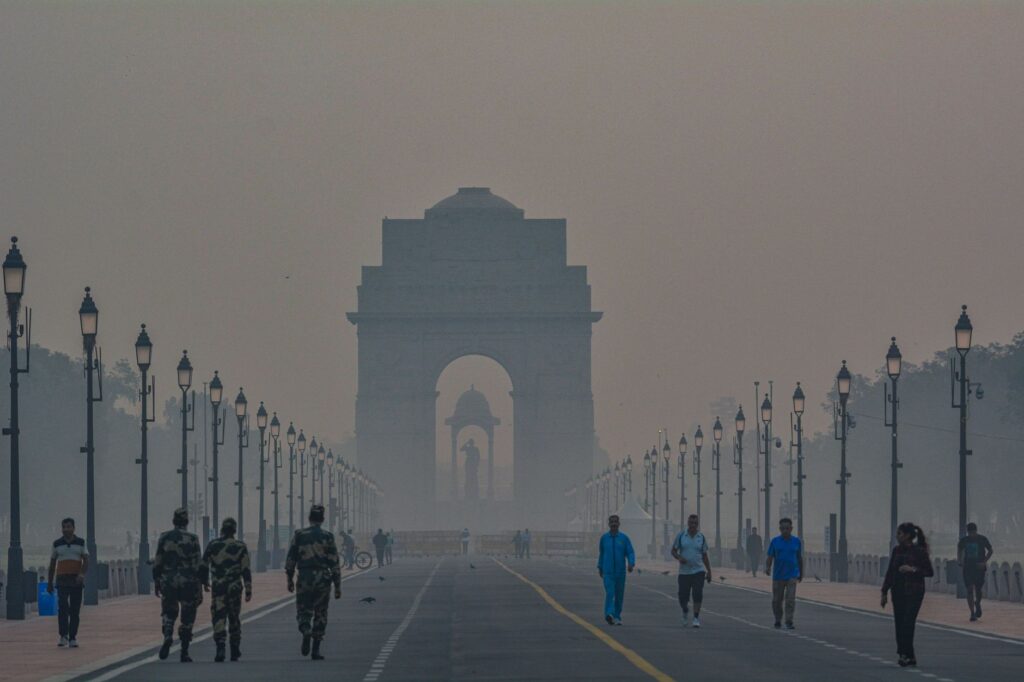
Beyond the political maneuvering lies a critical public health concern. Air quality in the region has long been a subject of severe distress for inhabitants, particularly during specific seasonal shifts. Accurate data collection is the first line of defense, enabling vulnerable populations to take necessary precautions.
When the accuracy of environmental metrics is brought into doubt, residents are left uncertain about when it is safe to venture outdoors or engage in physical activities. Public health advocates emphasize that restoring credibility to these measurement systems is essential for safeguarding community wellbeing.
Looking Ahead
As this controversy continues to unfold, the pressure on administrative leadership is mounting. The demand for transparency and accountability is unlikely to fade soon, especially given the high stakes involved in managing urban pollution. The coming weeks will likely determine whether the disputes can be resolved through dialogue or if the matter will proceed through protracted legal battles.
Citizens and observers are watching closely to see how institutional bodies respond to the allegations. Ultimately, restoring faith in the reporting mechanisms remains paramount for effective environmental governance in the region.