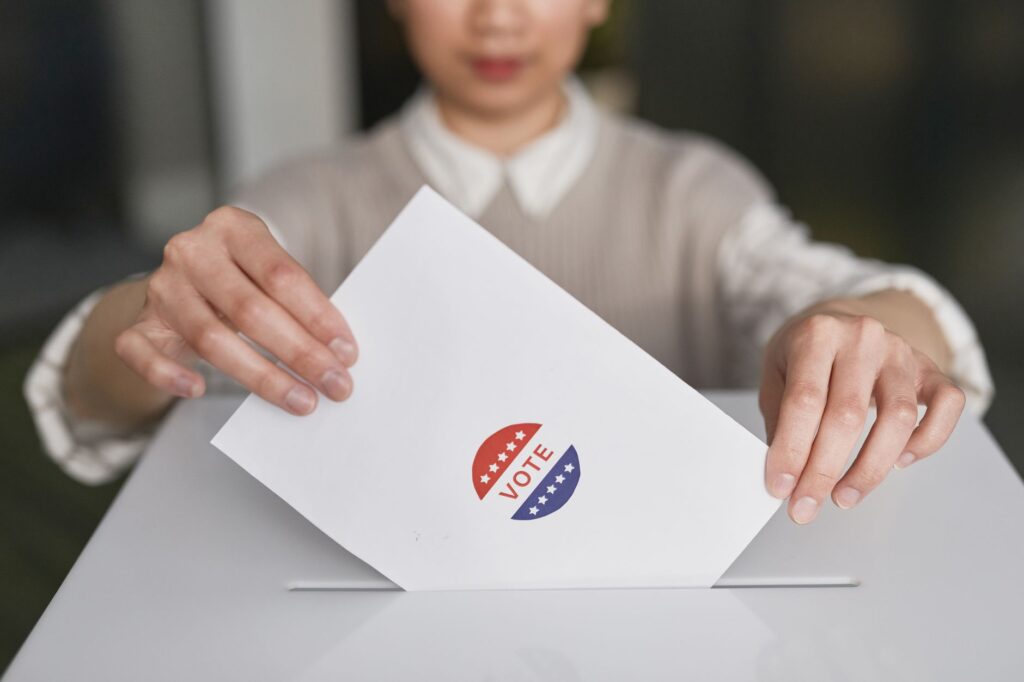

Political Dynamics And The 2026 Midterm Elections
Recent political analyses have highlighted significant shifts in voter behavior following the 2026 midterm elections. Prominent political figures have begun assessing the impact of foreign policy decisions on domestic electoral outcomes. Among these assessments, discussions regarding military engagements abroad have taken center stage in understanding voter realignment.
Assessing The Impact Of Foreign Conflicts
Foreign military engagements often carry profound domestic political consequences. In the aftermath of the 2026 midterms, observers noted how international developments can influence voter sentiment at home. Policy decisions related to ongoing overseas conflicts frequently resonate deeply with the electorate, potentially altering traditional voting patterns and party loyalties.
Shifts In Voter Alignment
Electoral data from the 2026 midterms revealed notable movements among key demographic groups. According to statements by political leaders, individuals who previously supported conservative candidates in the 2024 elections altered their voting behavior. This transition of support toward the Democratic Party played a critical role in determining the final outcome of various congressional races across the nation.
Evaluating Future Political Strategies
Political parties are now tasked with reevaluating their platforms in light of these electoral results. Understanding the underlying causes of voter dissatisfaction remains essential for shaping future campaign strategies. As parties look ahead to upcoming election cycles, addressing the concerns of constituents affected by foreign policy decisions will likely remain a central priority for leadership.