
The Importance of Reliable Batting Depth
Recent performances on challenging pitches have highlighted a recurring trend in international cricket. While top-order resilience remains vital, the heavy reliance on a single seasoned campaigner exposes vulnerabilities within the broader lineup. When facing lively surfaces that offer significant movement and bounce, the entire batting group must adapt quickly to survive the pressure.
Virat Kohli Continues to Lead by Example
Among the roster, senior players continue to demonstrate how to anchor an innings under duress. Their ability to read the conditions, respect good deliveries, and protect their wickets forms the bedrock of competitive totals. However, this individual brilliance often masks a deeper systemic issue concerning how the middle and lower orders manage difficult spells of bowling.
The Auckland Wake-Up Call
Matches played in demanding environments such as Auckland serve as stark reminders of what happens when concentration lapses. A sudden collapse near the end of an innings not only squanders good starts but also invites unnecessary pressure on the bowling attack. Teams cannot afford to rely solely on one or two batters to carry the scoring burden match after match.
Internalising the Process of Surival
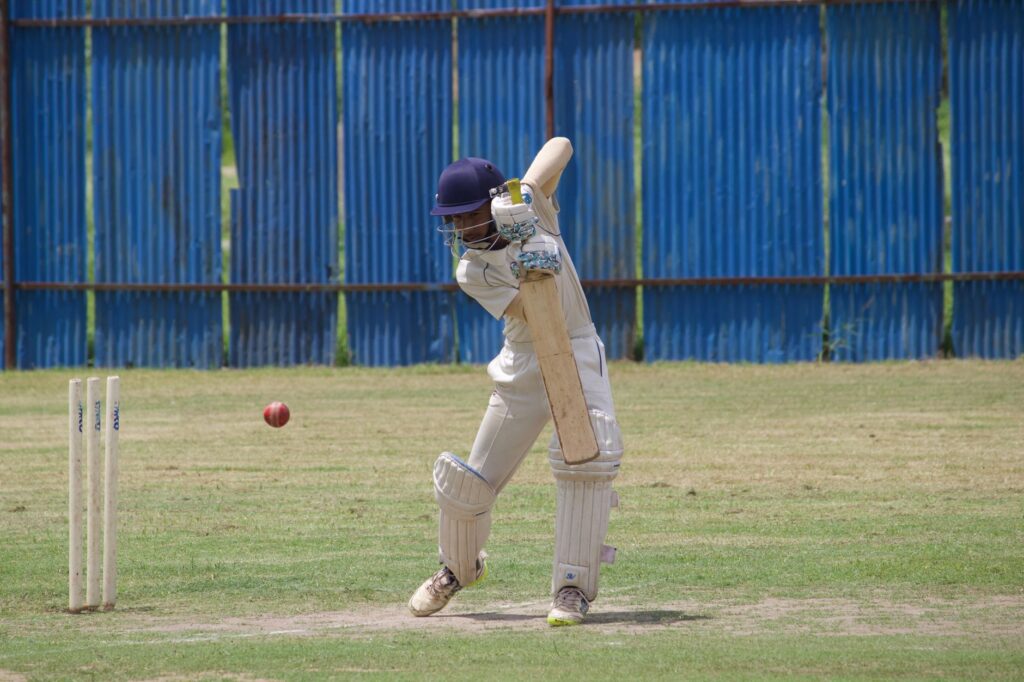
To build a truly formidable unit, every batter needs to internalize the art of refusing to concede wickets. On surfaces that favour fast bowlers, survival often takes precedence over stroke play. Developing this defensive mindset requires disciplined shot selection, patience, and a willingness to grind out tough periods without looking for high-risk scoring options.
Moving Forward with a Balanced Approach
As international competitions intensify, addressing these middle-order frailties becomes paramount for sustained success. Coaching staff and players must work collectively to instil tactical flexibility. By learning from past mistakes on tricky tracks, the squad can evolve into a more balanced and self-reliant unit capable of weathering any storm.