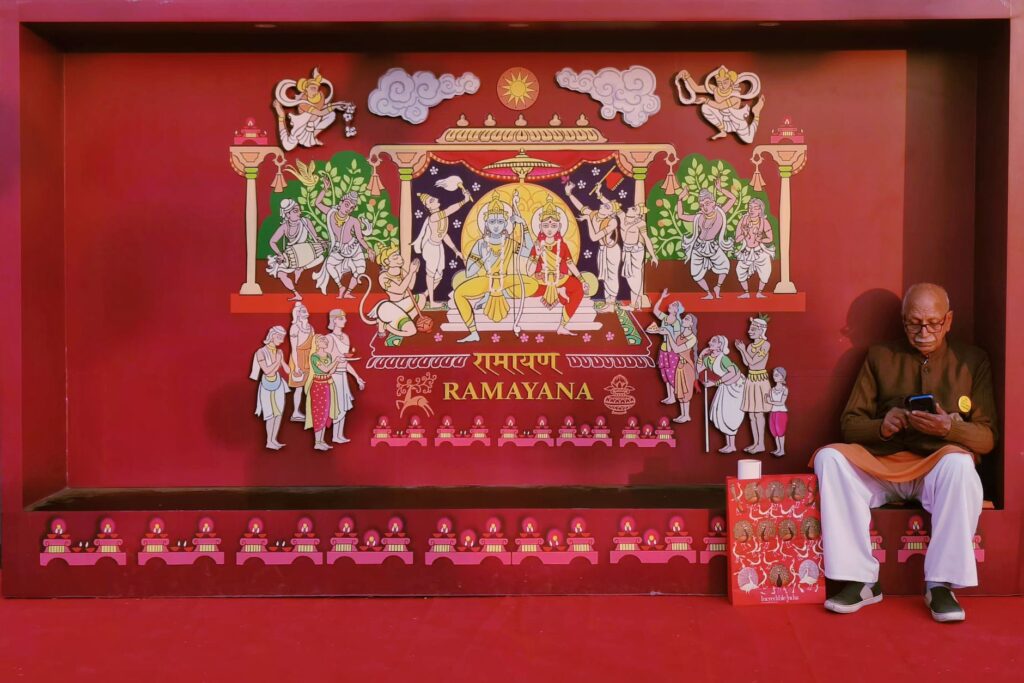

The ancient Indian epic known as the Ramayana has inspired generations of storytellers, artists, and filmmakers across centuries. As fresh cinematic adaptations continue to arrive on the big screen, audiences frequently look back at the numerous television series and movies that attempted to capture the grand scale and deep philosophical messages of the original text. Evaluating these various interpretations offers a fascinating glimpse into how visual media has evolved while retelling the legendary journey of Rama, Sita, and Ravana.
Early Television Milestones
Television brought the epic into millions of living rooms during the late twentieth century, creating a profound cultural phenomenon. These early episodic broadcasts prioritized deep narrative fidelity and emotional connection over extravagant special effects. Viewers tuned in weekly to witness elaborate storytelling that stayed remarkably close to traditional texts. While the production values appear dated by modern standards, the sincerity of these pioneering shows established a high benchmark for subsequent historical and mythological programming.
Animated Interpretations and International Collaboration
Animation opened entirely new creative avenues for depicting divine beings, flying chariots, and epic conflicts without the physical limitations of live-action sets. A notable Indo-Japanese co-production released in the late nineties demonstrated how traditional hand-drawn art styles could breathe fresh life into ancient legends. This critically acclaimed animated feature combined meticulous artistic detail with swift pacing and an engaging musical score, appealing to both younger viewers and lifelong aficionados of the epic.
Modern Cinematic Scale and Controversy
Recent decades brought massive budgets, advanced computer-generated imagery, and global release strategies to mythological storytelling. Filmmakers attempted to modernize the epic for contemporary audiences by emphasizing action sequences and high-octane visual spectacles. However, these big-budget ventures often drew mixed reactions from critics and viewers alike. While some praised the technical ambition and ambitious scope, others felt that prioritizing sleek aesthetics overshadowed the emotional core and spiritual gravity of the source material.
Evaluating the Pantheon of Adaptations
Ranking ten distinct cinematic and television portrayals requires balancing nostalgia, technical achievement, narrative depth, and cultural impact. Projects that respected the complexity of the characters consistently resonated more deeply with viewers than those relying purely on spectacle. Ultimately, the enduring appeal of these various adaptations highlights the timeless nature of the epic, proving that audiences will always seek out stories of righteousness, devotion, and the eternal battle between good and evil.