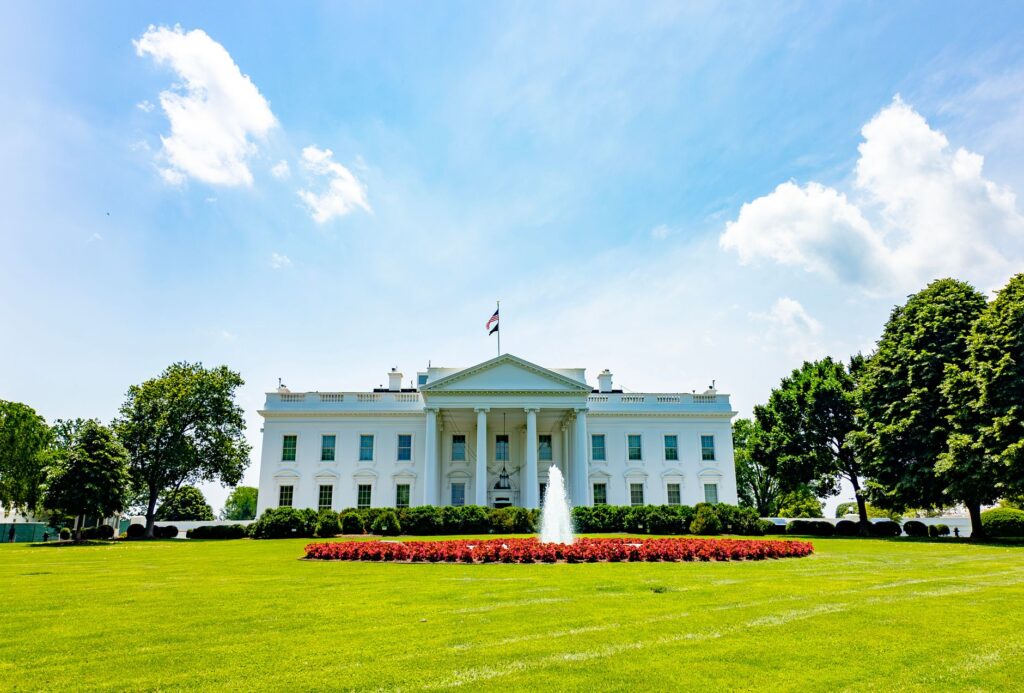

Presidential Veto Authority Explained
The American political system is built on a complex framework of checks and balances designed to prevent any single branch from gaining absolute control. Among the most potent tools available to the executive branch is the presidential veto. This constitutional mechanism allows the head of state to reject bills passed by the legislative branch, halting their progression into federal law unless specific legislative thresholds are met.
The Dynamics of Divided Government
When a legislative body is controlled by an opposing political party, the potential for policy clashes increases significantly. A majority party in the legislature may attempt to advance sweeping reforms, initiate aggressive investigations into executive actions, or pass bills that directly challenge the administration’s core agenda. In such scenarios, the executive branch relies heavily on constitutional mechanisms to protect its policy objectives and maintain governance stability.
How the Veto Process Works
Once both chambers of the legislature pass a bill, it is sent to the president’s desk for final approval. The chief executive has a designated period to review the legislation. If the president disagrees with the contents or finds the policy measures objectionable, they can issue a formal veto. This returns the bill to the originating chamber along with an explanation of the administration’s objections.
Overriding a Presidential Rejection
A presidential veto is not absolute, as the legislative branch retains the power to override the decision. However, achieving this requires a supermajority vote in both chambers, usually set at two-thirds of the members present. Securing a supermajority often demands bipartisan consensus, making an override exceptionally difficult during times of deep political polarization. Consequently, the threat of a veto often serves as a powerful negotiating tool during the legislative drafting process.
Strategic Implications for Governance
Utilizing the veto power requires careful political calculation. While it allows the administration to block unwanted legislative initiatives, frequent use can lead to legislative gridlock and heightened tensions between the branches of government. Presidents must weigh the immediate policy benefits of issuing a rejection against the long-term impacts on inter-branch cooperation and public perception.
Conclusion
The authority to reject legislation remains a cornerstone of executive power in the federal government. As political landscapes shift and different parties control the executive and legislative branches, the veto serves as a critical barrier against policy changes that conflict with the administration’s vision.