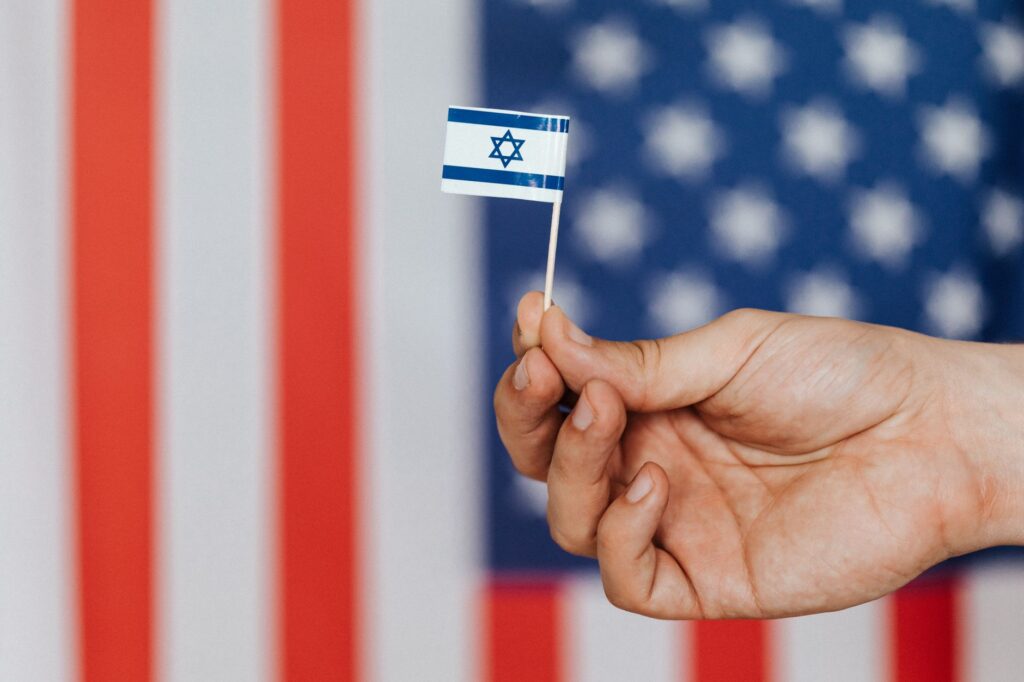

Political Shifts in Washington
The landscape of American politics often brings sweeping changes to foreign policy. Following recent electoral outcomes, discussions have emerged regarding the future trajectory of international partnerships. Observers are closely monitoring how shifts in congressional and executive leadership might redefine Washington’s approach to key allies across the globe.
Evaluating Bilateral Ties
The partnership between the United States and Israel has historically enjoyed bipartisan backing. However, recent political friction suggests that maintaining this united front may become increasingly complex. Lawmakers from various factions are beginning to reexamine foreign commitments, questioning traditional strategies and the allocation of diplomatic resources.
Implications for the Middle East
Changes in American leadership frequently send ripples through the Middle East. Strategic alignments depend heavily on the priorities of the administration in power. Any shift in diplomatic posture could alter regional dynamics, influencing ongoing security frameworks and cooperative agreements between the two nations.
Looking Ahead
As the new political reality sets in, both governments will need to navigate evolving expectations. The resilience of the bilateral relationship will be tested by shifting domestic priorities and changing perspectives on international engagement. Future developments will depend on how leadership on both sides addresses these emerging policy challenges.