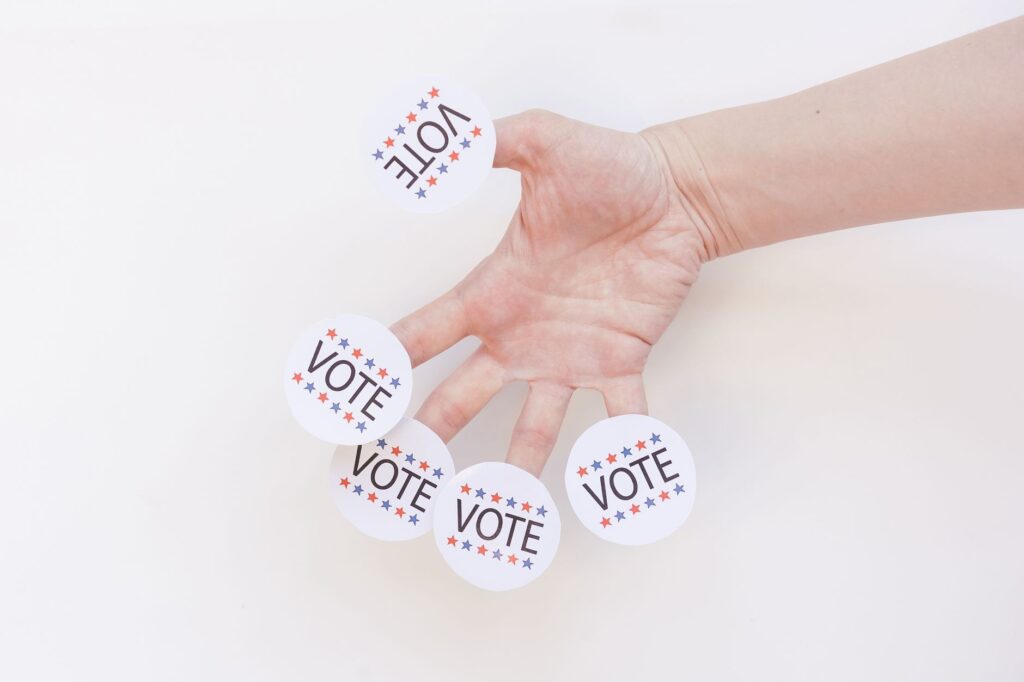

Introduction to the New Zealand General Election
The democratic process in New Zealand reaches its climax today as the final phase of voting gets underway. Citizens across the nation are heading to polling stations to cast their ballots in a high-stakes electoral event that has captured international attention. With millions of registered participants, the outcome of this political contest will shape the nation’s legislative direction for the coming years.
Early Voting Statistics and Turnout
Participation has been notably robust throughout the electoral period. Voting commenced earlier in October, offering citizens ample opportunity to make their voices heard ahead of the official deadline. Official statistics indicate that more than 1.6 million individuals already completed their civic duty by the close of Thursday. Given that nearly 3.8 million people are officially enrolled to vote, this strong early turnout demonstrates significant public engagement in the democratic system.
The Unique Prohibition on Political Discourse
One of the most distinctive aspects of this electoral cycle is the strict enforcement of regulatory measures concerning public speech. Unlike many other global democracies where campaigning continues right up to the final ballot, local legislation enforces a mandatory period of absolute silence. Under these unusual laws, any public discussion, debate, or promotion regarding politics is strictly prohibited on the final day of voting. The measure is designed to provide electors with a quiet reflection period, shielding them from last-minute influence and media pressure.
Electoral Integrity and Regulatory Compliance
Electoral authorities closely monitor compliance across all media platforms and public spaces to ensure the integrity of the process. Campaign teams and political organizations must immediately halt all outreach efforts, including digital advertisements and physical flyer distribution. Penalties for violating these silence regulations can be severe, reinforcing the gravity with which the nation treats its electoral laws and the protection of voter autonomy.
Looking Ahead to the Results
As polling booths prepare to close their doors, attention shifts toward the compilation and tabulation of votes. Election officials work diligently to process the massive influx of ballots, both early submissions and those cast on the final day. Analysts and political observers await the preliminary results, which will soon provide a clearer picture of the political landscape and indicate which party or coalition will form the next government.