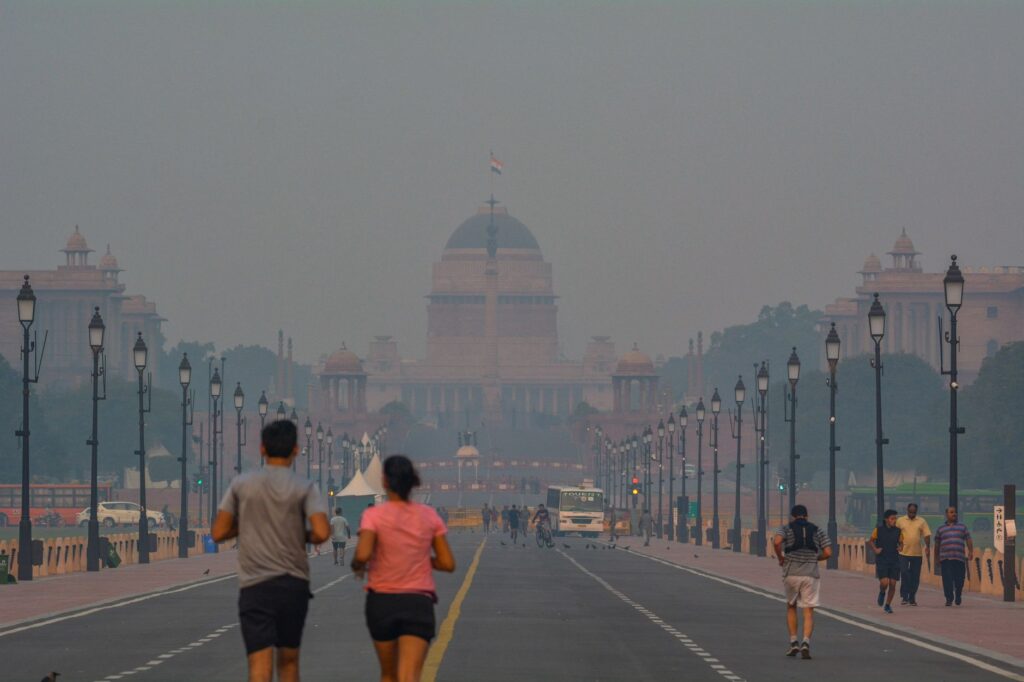

Understanding Delhi Air Quality
Air quality monitoring networks across the capital region track environmental safety daily. These measurements help authorities determine particulate matter concentrations in the atmosphere.
Recent data from monitoring dashboards highlight a sharp decline in air quality metrics. Numerous locations across the urban center have slipped into hazardous brackets just ahead of the festive season.
Severe Air Pollution Zones
Specific monitoring sites have reported extreme pollution levels. Out of all active stations, a significant portion registered readings falling directly into the severe category.
Residents living near these heavily affected zones face heightened health risks. The concentration of airborne pollutants poses immediate challenges for vulnerable populations, including children and the elderly.
Very Poor Category Dominates
Beyond the severe zones, a larger group of monitoring stations recorded air quality within the very poor classification.
This widespread degradation affects neighborhoods spanning from major educational hubs to densely populated residential districts. Daily commuters and outdoor workers in these sectors experience prolonged exposure to toxic air.
Public Health Advisory
Health experts consistently advise caution when atmospheric conditions deteriorate to these levels. Minimizing outdoor physical activity helps reduce the inhalation of harmful particulate matter.
Authorities continue to observe meteorological factors that influence pollutant dispersion. Public cooperation remains essential as the city navigates this challenging environmental period.