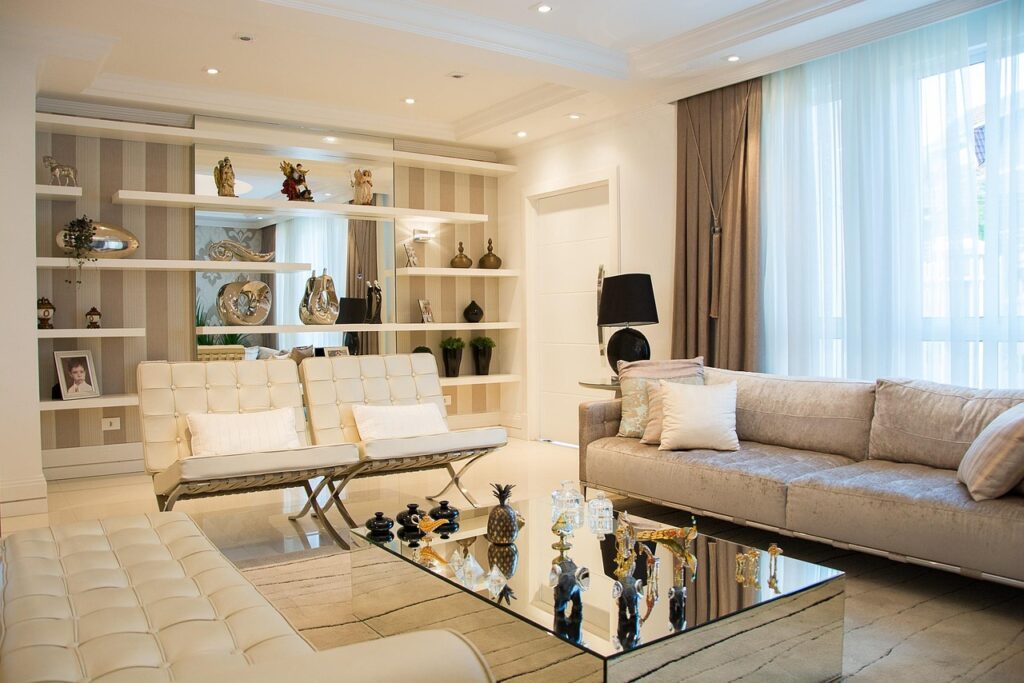

Indian homeowners across major metropolitan areas are increasingly abandoning traditional paint in favor of textured wall panels, marking a significant shift in residential interior design throughout 2024. Driven by a demand for both aesthetic sophistication and long-term durability, the trend toward fluted Wood Polymer Composite (WPC) and 3D architectural panels has transformed how living spaces are conceptualized in urban India.
The Shift Toward Architectural Depth
For decades, interior design in India relied heavily on emulsion paints and wallpaper to define room aesthetics. However, the rise of modular construction and a growing middle-class preference for personalized, maintenance-free interiors have pushed designers to seek alternatives that offer physical depth.
Textured panels provide a tactile dimension that flat surfaces cannot replicate. By introducing light and shadow play into a room, these panels act as focal points, effectively replacing the need for elaborate wall art or expensive decorative finishes.
Material Innovation and Functionality
The popularity of WPC (Wood Polymer Composite) panels stems from their unique combination of structural integrity and design versatility. Unlike wood, which is susceptible to termites and warping in India’s humid climate, WPC offers a moisture-resistant, fire-retardant solution that mimics the warmth of natural timber.
Beyond WPC, the market has seen an influx of high-density fiberboard and charcoal-based fluted panels. These materials are engineered for rapid installation, often utilizing adhesive-based mounting systems that minimize construction time and dust—a major selling point for homeowners living in high-rise apartments.
Industry Data and Market Growth
Market reports indicate that the decorative wall panel segment in India is growing at a compound annual growth rate (CAGR) of approximately 8% to 10% as of late 2023. Industry experts attribute this growth to the democratization of luxury design, where premium-looking materials have become accessible through localized manufacturing and import supply chains.
“Homeowners are no longer satisfied with just color; they want personality,” says interior consultant Anjali Mehra. “The move toward vertical fluting and geometric 3D patterns creates a sense of height and luxury that paint simply cannot achieve in the same timeframe.”
Practical Implications for Homeowners
While the initial material costs for textured panels are higher than high-end paints, the long-term maintenance benefits are significant. These panels do not require the frequent repainting cycles associated with wall scuffing or moisture damage, making them a cost-effective investment over a five-to-ten-year period.
However, the industry warns that proper installation remains critical. Poorly sealed panels in moisture-prone areas can lead to underlying wall degradation, necessitating the involvement of professional installers rather than relying on standard DIY methods.
Future Trends to Watch
As the market matures, the next wave of innovation is expected to focus on acoustic performance and sustainable materials. Watch for the integration of sound-dampening backing materials within these panels, which cater to the growing demand for home theaters and quiet, work-from-home office setups. Furthermore, as environmental regulations tighten, the shift toward recycled plastic and organic fiber blends will likely become the standard for eco-conscious consumers looking to balance modern luxury with sustainable living.