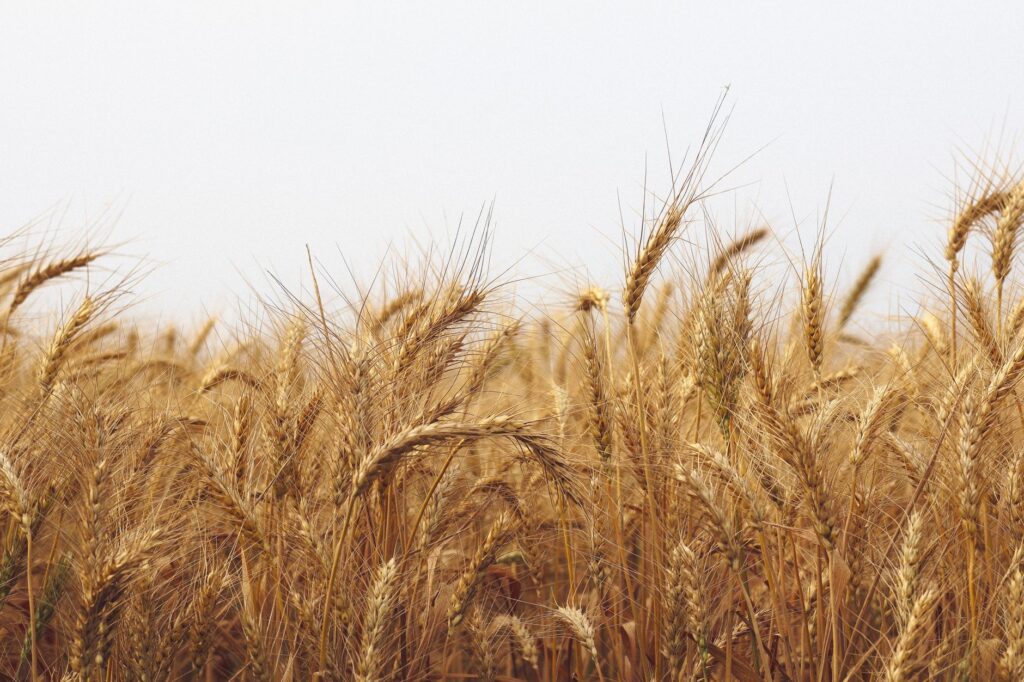

The agricultural sector faces mounting economic pressures as adverse weather conditions impact the summer harvest, leaving cultivators with compromised yields. This agricultural setback creates a cascading effect on seasonal planning, primarily by stalling the financial liquidity required for upcoming winter crop cultivation.
Agricultural Challenges of the Kharif Season
Unpredictable weather patterns and unseasonal precipitation during the final stages of crop maturation have severely affected summer yields. Many growers report substantial losses, noting that their produce has suffered in both quality and quantity. Such agricultural damage diminishes immediate earning potential, restricting the cash flow necessary for household sustenance and upcoming farming expenditures.
The challenge is further magnified by logistical bottlenecks in government procurement centers. When state purchasing agencies delay the acquisition of harvested goods, cultivators are left waiting indefinitely to receive payments. This prolonged uncertainty disrupts financial management at the grassroots level, making it difficult to plan for the next agricultural cycle.
Impact on Rabi Sowing Preparations
Preparation for the winter cropping season demands timely capital investment. Cultivators must procure quality seeds, fertilizers, pesticides, and manage irrigation expenses well before sowing commences. Without immediate returns from the summer harvest, securing these vital inputs becomes an uphill battle.
Delayed harvesting schedules naturally push back the entire agricultural calendar. When the previous crop cycle runs late, the operational window between harvesting and the next sowing season narrows significantly. This compression leaves little time to prepare fields, remediate soil, and arrange the necessary funding.
Financial Distress and Debt Burdens
Faced with a severe cash crunch, many cultivators are forced to rely on informal credit networks to finance their winter operations. Borrowing from private lenders often entails exorbitant interest rates, increasing financial vulnerability and trapping households in cycles of debt.
Institutional credit, while more affordable, frequently involves stringent bureaucratic procedures and documentation that can be difficult to navigate during a time-sensitive emergency. Consequently, the delay in receiving procurement payments forces rural communities to make difficult compromises regarding the scale and quality of their upcoming winter cultivation.
Pathways to Economic Resilience
Addressing these recurring agricultural bottlenecks requires structural improvements in supply chain management and procurement efficiency. Streamlining the intake of summer produce ensures that cultivators receive timely compensation, injecting liquidity back into the rural economy exactly when it is needed most.
Furthermore, strengthening disaster relief distribution and expanding access to timely, low-interest agricultural credit can safeguard cultivators against unexpected weather anomalies. Ensuring a seamless transition between crop seasons remains essential for maintaining national food security and protecting the livelihoods of those who sustain the agricultural economy.