









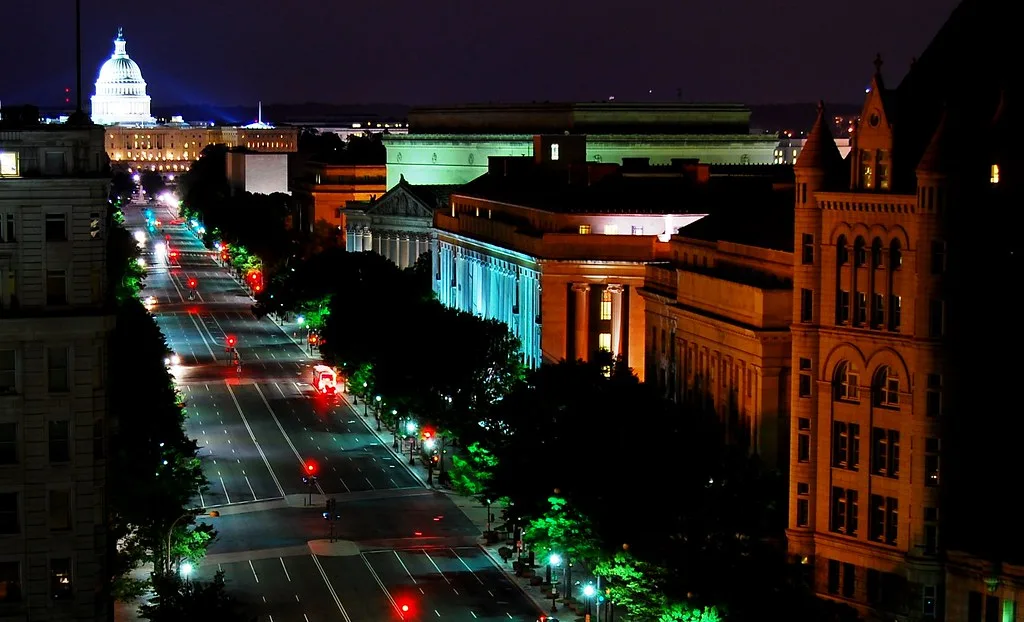
Legislative Stagnation in Washington
Representative Don Bacon (R-NE) appeared on CBS’s “Face the Nation” this Sunday, June 7, 2026, to address the growing legislative gridlock currently paralyzing the U.S. House of Representatives. Speaking with host Margaret Brennan, the Nebraska Republican emphasized the urgent need for a shift toward bipartisan cooperation to address pressing domestic fiscal concerns and national security priorities before the end of the current session.
The Current Political Landscape
The legislative environment in mid-2026 has been defined by narrow margins and deep ideological divides, resulting in a historically low volume of passed bills. Congressional data indicates that the 119th Congress has struggled to pass significant appropriations packages, leaving several federal agencies reliant on stop-gap funding measures. This ongoing friction has sparked concerns among voters and industry leaders regarding the stability of long-term economic planning.
Bacon’s Strategy for Consensus
During the interview, Rep. Bacon argued that the path forward requires members to reach across the aisle on non-partisan issues such as infrastructure maintenance and cybersecurity upgrades. He suggested that by focusing on incremental progress, lawmakers could rebuild the trust necessary to tackle more contentious policy debates later this year. Bacon maintains that his experience in the House Armed Services Committee proves that consensus-building remains possible even in a polarized climate.
Expert Perspectives on Congressional Productivity
Political analysts note that the current environment resembles the legislative stalls of previous decades, yet with the added pressure of modern digital-era partisanship. According to a recent report by the Congressional Research Service, the number of bipartisan bills signed into law has seen a steady decline since 2022. Policy experts argue that without a concerted effort from leadership to incentivize cross-party collaboration, the legislative branch risks total functional stagnation as the fall election season approaches.
Implications for Future Policy
The implications for the broader economy are significant, as federal funding uncertainty often leads to market volatility and delays in private-sector investment. Business leaders are closely watching whether the House can finalize a budget, as failure to do so could trigger a government shutdown that would impact federal services and defense contractors alike. The upcoming weeks will serve as a critical barometer for whether moderate voices can successfully steer the legislative agenda toward compromise.
What to Watch Next
Observers should monitor the upcoming floor votes on defense spending, as these will likely act as a litmus test for bipartisan unity. Additionally, the ability of House leadership to manage internal party dissent will dictate whether any substantive legislation reaches the President’s desk before the summer recess. Should these efforts fail, the focus will likely shift entirely toward the electoral campaigns, effectively closing the window for meaningful policy action for the remainder of the year.